




![IM608 PRO II Full Kit<br>[2-Year Free Update]](http://www.obdprice.com/cdn/shop/files/Autel_IM608S_II_Full_Kit_1_600x600.webp?v=1755662636)

![IM508S PRO<br>[2-Year Free Update]](http://www.obdprice.com/cdn/shop/files/Autel_MaxiIM_IM508S_Pro_600x600.webp?v=1755662755)
![IM508S<br>[2-Year Free Update]](http://www.obdprice.com/cdn/shop/files/AUTEL_MAXIIM_IM508S_600x600.webp?v=1755662895)


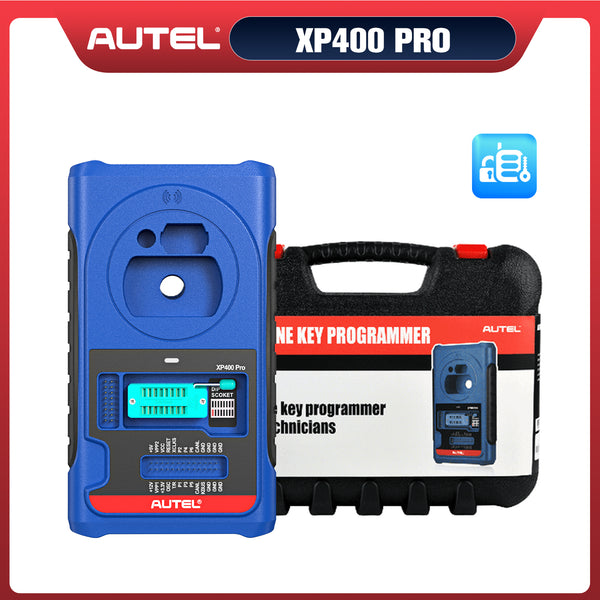


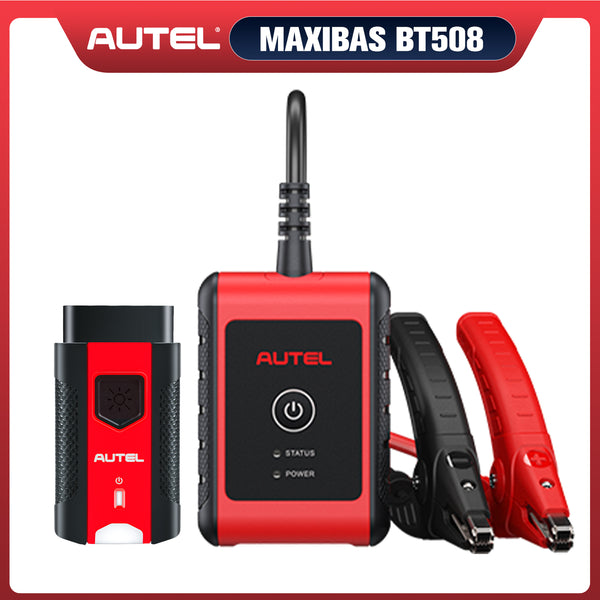
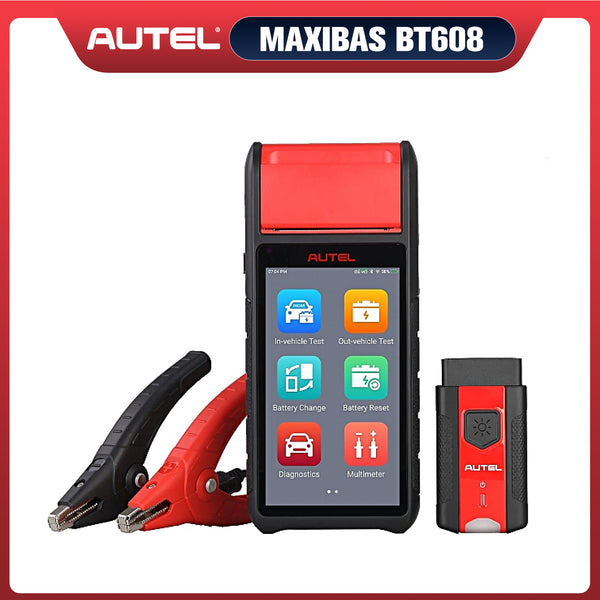





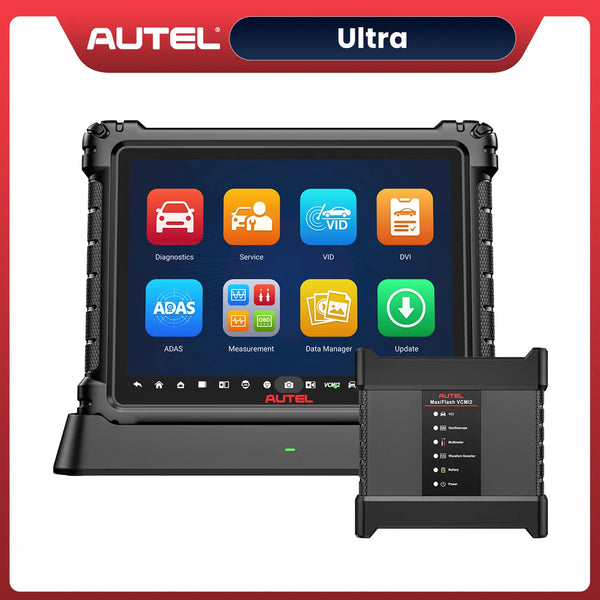
The Autel KM100 remains a practical key programming tool for supported vehicles, especially when paired with Autel IKEY. Its compact design, IMMO functions, and transponder tools make it a good fit for locksmiths and independent repair shops. Before buying, check the exact vehicle and key function coverage. For North American users, the upcoming NASTF SDRM validation on September 1, 2026 is another factor to consider.
A key programmer doesn't need to do everything.
In fact, that's one of the things I like about the Autel MaxiIM KM100. It isn't trying to be a huge diagnostic tablet that also happens to program keys. It is a relatively compact tool built mainly around key programming, IMMO functions, transponder work, and Autel's IKEY system.
But the KM100 has been around for a while, and its hardware is no longer particularly impressive. So in 2026, the question isn't simply what the KM100 can do.
The more useful question is:
Is it still a practical key programming tool for today's locksmiths and technicians?

What Is the KM100 Actually Designed For?
The KM100 combines several key-related functions in one device, including:
- Universal smart key generation
- IMMO key learning
- Transponder reading and writing
- Transponder cloning
- Frequency detection
- Ignition coil detection
- Key renewal
- Key unlocking and related key functions
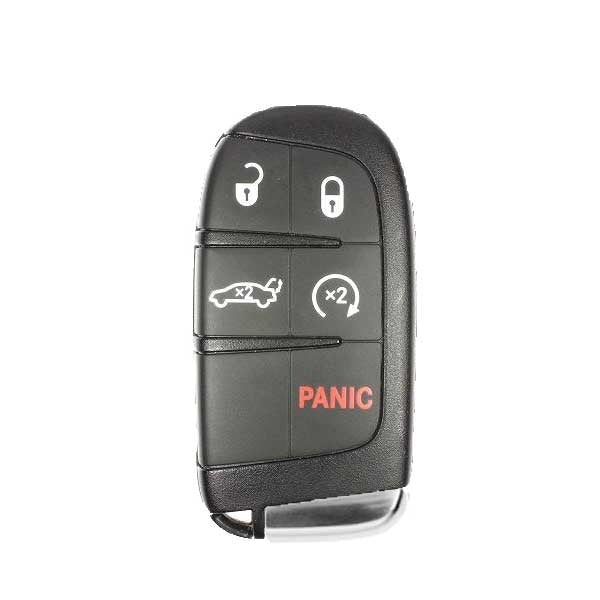
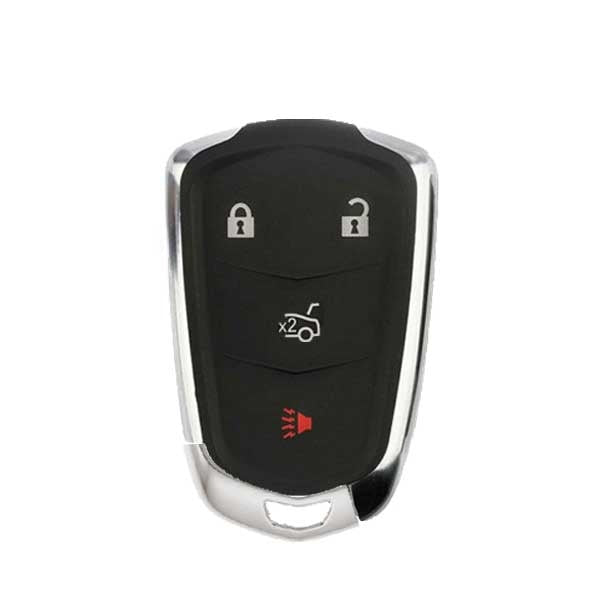
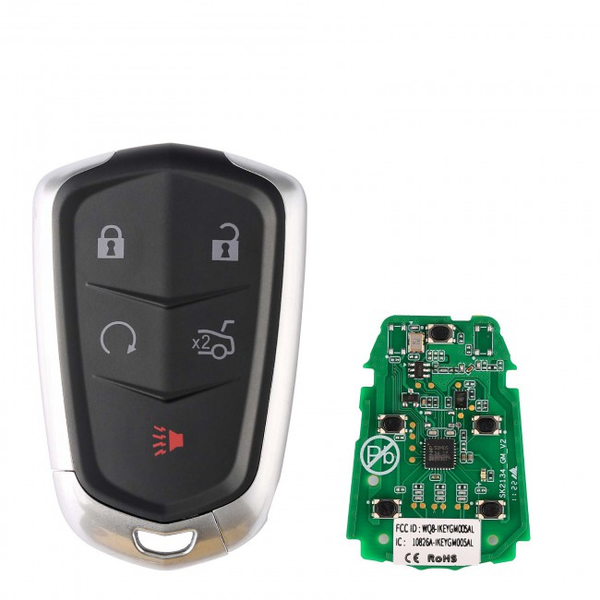
Autel also designed the KM100 to work closely with its IKEY universal programmable smart keys. If you're looking for a detailed breakdown of every function, our guide on what the Autel KM100 does is a better place to start.
For this review, the more important question is which of those features actually make a difference in day-to-day work. And I think the answer starts with IKEY.
IKEY Is the Main Reason to Consider KM100
The KM100 becomes much more interesting when you look at it together with Autel IKEY.
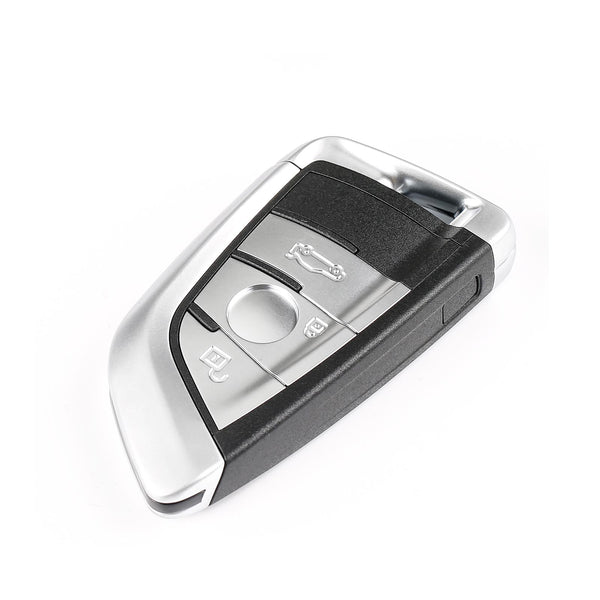
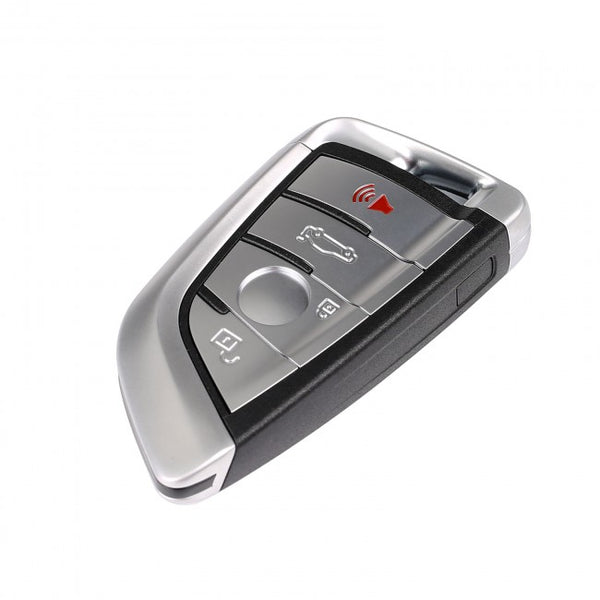
Instead of purchasing a separate replacement smart key for every application, a supported IKEY can be configured for compatible vehicles using the KM100.
Autel currently promotes IKEY as supporting more than 3,000 vehicle applications, although actual compatibility depends on the vehicle, year, key type, and function.

Autel IKEYs List
The advantage isn't simply the number.
It's the workflow.
For a supported vehicle, you can identify the vehicle, select the appropriate key application, generate the IKEY, and then perform the required vehicle-side learning procedure.
That can simplify a job that would otherwise involve sourcing and preparing a vehicle-specific replacement key.
Autel advertises key generation in as little as 60 seconds for supported applications. However, that shouldn't be interpreted as meaning the entire key replacement job takes one minute. Vehicle identification, security procedures, key learning, and testing still take time.
Still, when you're doing multiple jobs, reducing the time spent preparing the key can be useful.
Don't Buy It Based on the Coverage Number Alone
This is probably the most important point in the entire review.
A statement such as “KM100 supports thousands of vehicles” doesn't tell you whether it can perform the specific function you need.
For example, a vehicle may support Add Key but not All Keys Lost. Another may support certain IMMO functions but require a different procedure for remote programming.
So “Does KM100 support Toyota?” isn't really the right question.
The better question is:
Does KM100 support this Toyota, this model year, and the exact key function I need?
Before buying the key programming tool, check the vehicle coverage carefully. Our guide on How to Check Vehicle Coverage of KM100 explains how to do this.
I'd consider this part of the buying process rather than something you check after purchasing the device.
If most of the vehicles you work on are covered, the KM100 makes much more sense. If your work involves unusual models or advanced immobilizer procedures, you may need a higher-end tool.
How Is It to Actually Use?
The KM100 uses a 5.5-inch touchscreen and provides guided IMMO procedures. AutoVIN is also available on supported vehicles.
The interface is one of the better parts of the tool.
You generally move through a fairly straightforward process:
Identify the vehicle → select the IMMO/key function → prepare the key → perform the learning procedure → test the result.
Of course, the exact procedure depends heavily on the vehicle.
That's why I wouldn't turn this review into a long step-by-step manual. If you want to see the actual interface and operation, our Autel KM100 Video and Image Guide covers the process in more detail.
For a review, the important point is that the workflow is relatively focused.
You don't have to dig through dozens of unrelated diagnostic functions just to get to key programming.
Transponder and Frequency Functions Are More Useful Than They Sound
The KM100 isn't only useful after you've decided which key to program.
It also includes transponder-related functions such as reading, writing, cloning, generation, and simulation for supported transponders.
Frequency detection and ignition coil detection can also help identify information about an existing key or immobilizer system.
These aren't necessarily the functions that attract buyers to the KM100.
But they can be useful when you're dealing with an unfamiliar key and need more information before starting the actual programming procedure.
That's one reason I see the KM100 as more than simply an OBD key-learning device.
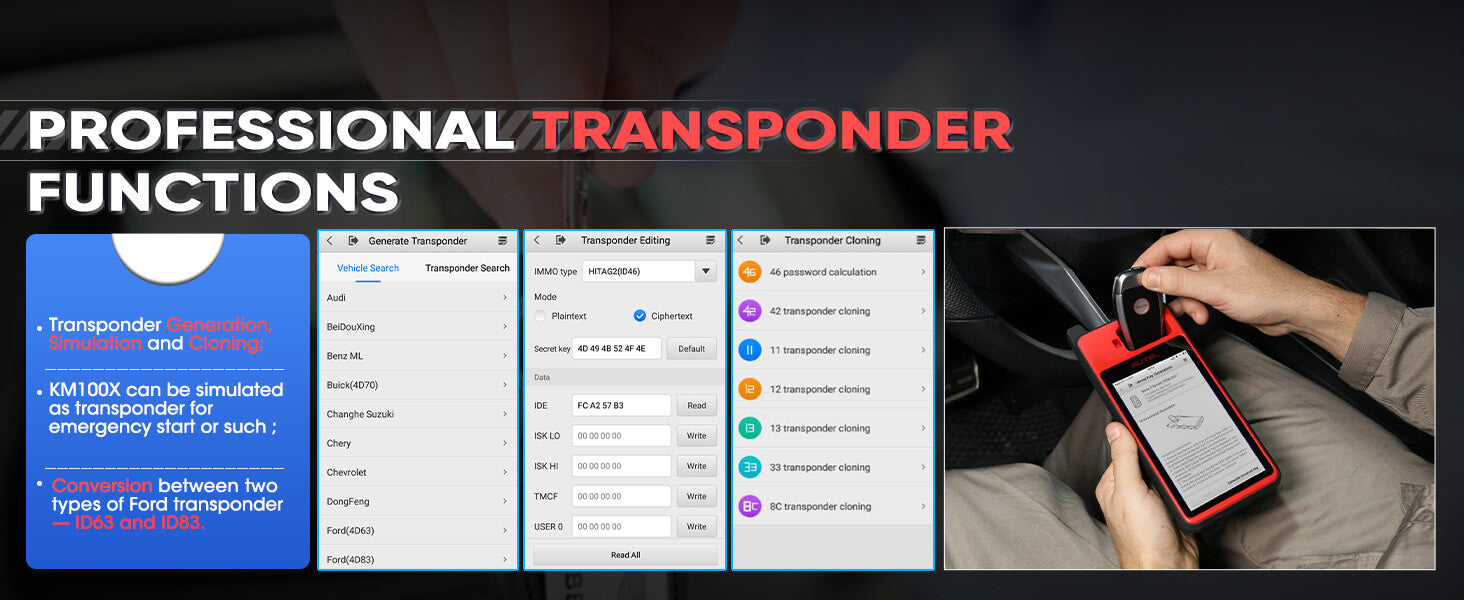
Autel KM100 Professional Transponder Functions
The Hardware Is Showing Its Age
This is where the KM100 loses some points.
The device uses a 5.5-inch 1,280 × 720 display, 2GB of RAM, 64GB of storage, and Android 9.0. Those specifications are fairly modest in 2026.
The small screen isn't a serious problem for key programming, and the relatively compact design is actually convenient when you're working around a vehicle.
But if you're expecting a modern tablet experience, the KM100 won't provide it.
Personally, I don't think the hardware is a deal-breaker.
A key programmer doesn't need the processing power of a flagship diagnostic tablet. I'd rather have an older tablet with good IMMO coverage than a powerful tablet that can't perform the key functions I need.
Still, it's something buyers should be aware of.
One Important Change for 2026: NASTF SDRM Validation
There is another factor that North American buyers should consider in 2026.
Autel is introducing NASTF Secure Data Release Model (SDRM) validation for its key programming tools. According to the current rollout information, KM100 is scheduled to begin SDRM validation on September 1, 2026.
This matters because some vehicle security-related functions may require authorized access through the NASTF system.
In other words, having a compatible KM100 doesn't necessarily mean that every protected security function will be immediately available.
For applicable functions, users may need the appropriate NASTF VSP credentials and SDRM authorization.
This shouldn't be misunderstood as “KM100 will stop working without NASTF.”
That's too broad.
The change is about access to certain protected vehicle security functions, rather than every function available on the KM100.
For a North American locksmith, however, it is something worth considering before buying the tool.
The decision is no longer just:
Does KM100 support my vehicle?
It can also be:
Does KM100 support my vehicle, and do I have the authorization required for this security function?
That's an important distinction going into late 2026.
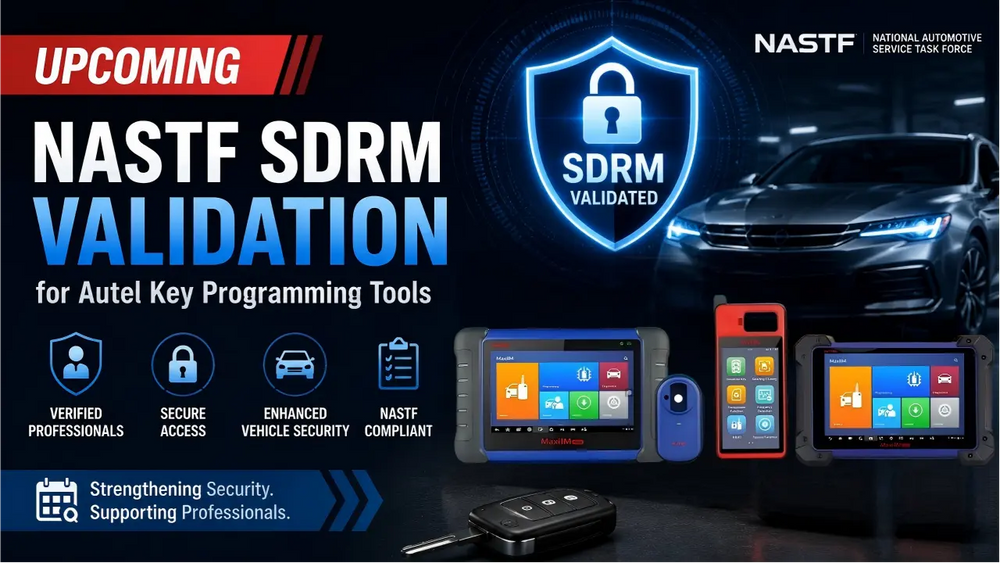
Upcoming NASTF SDRM Validation for Autel KM100
What I Like About the KM100
After looking at the tool as a whole, its strengths are fairly clear.
-
Compact design:
The small form factor makes sense for a tool that will often be used next to a vehicle. -
Focused workflow:
The interface is built around key and IMMO operations rather than trying to cover every possible diagnostic task. -
IKEY integration:
The universal key system is probably the biggest reason to choose KM100. -
Useful supporting functions:
Transponder work, frequency detection, and key renewal add more value than a basic key-learning tool would provide.
What I Don't Like
There are also some obvious limitations.
-
Aging hardware:
Android 9.0 and 2GB of RAM are difficult to call modern in 2026. -
Small screen:
It's portable, but a larger display would be more comfortable for some users. -
Coverage still matters:
The tool isn't equally capable on every supported vehicle. You need to check the exact function. -
Not a high-end IMMO platform:
If your work regularly involves advanced EEPROM/MCU operations, difficult all-keys-lost situations, or complex European immobilizer systems, you will probably need something higher in Autel's lineup.
Who Should Buy the Autel KM100?
The KM100 makes the most sense for automotive locksmiths, independent repair shops, and technicians who need a dedicated key programming tool rather than a full diagnostic platform.
If you regularly work with supported vehicles and need key generation, IMMO learning, transponder functions, and related operations, the KM100 offers a fairly focused solution.
On the other hand, if key programming is only a small part of your work and you frequently need advanced immobilizer or diagnostic functions, spending more on a higher-end MaxiIM device may be the better long-term choice.
Final Verdict
The Autel KM100 isn't the newest or most powerful key programmer in Autel's lineup. Its hardware is dated, its screen is small, and its coverage needs to be checked carefully. But those aren't necessarily reasons to dismiss it.
The KM100's real strength is the combination of IKEY generation, key learning, transponder functions, and a relatively simple workflow in a compact device.
For supported vehicles, that can be enough to make it a very practical tool.
The most important thing is to look beyond the headline specifications.
Before buying, check:
Your vehicles → the exact KM100 function you need → coverage → NASTF requirements if
you're working in North America.
And that, more than the number of supported vehicles or the 60-second key-generation claim, will tell you whether the KM100 is actually the right tool for your work.
My verdict: the KM100 still makes sense in 2026—not because it does everything, but because it does the key-related jobs it is designed for without making the tool unnecessarily complicated.


