




![IM608 PRO II Full Kit<br>[2-Year Free Update]](http://www.obdprice.com/cdn/shop/files/Autel_IM608S_II_Full_Kit_1_600x600.webp?v=1755662636)

![IM508S PRO<br>[2-Year Free Update]](http://www.obdprice.com/cdn/shop/files/Autel_MaxiIM_IM508S_Pro_600x600.webp?v=1755662755)
![IM508S<br>[2-Year Free Update]](http://www.obdprice.com/cdn/shop/files/AUTEL_MAXIIM_IM508S_600x600.webp?v=1755662895)









As someone who has worked in automotive repair for many years, I frequently see vehicle owners struggling with the P0010 trouble code. This fault code is not limited to one brand—it can appear on many vehicles equipped with Variable Valve Timing (VVT) systems, including models from Chevrolet, Toyota, Ford, Honda, BMW, and more.
The P0010 diagnostic trouble code (DTC) refers to a problem with the intake camshaft position actuator circuit (Bank 1). When this system malfunctions, it can cause poor idle quality, hesitation during acceleration, reduced fuel economy, or even engine stalling.
Using a professional OBD2 scanner helps quickly identify whether the issue is caused by the camshaft actuator, wiring, oil condition, or the engine control module (ECM).In this comprehensive guide, I’ll walk you through what P0010 means, what causes it, and how to fix it properly—based on real-world diagnostic experience.

What Does the P0010 Code Mean?
The P0010 code indicates a fault in the intake camshaft position actuator control circuit on Bank 1 of the engine.
Modern engines use VVT systems to adjust camshaft timing for improved performance, fuel efficiency, and emissions. The engine control module (ECM) commands a camshaft actuator solenoid, which regulates oil flow to advance or retard camshaft timing.
When the ECM detects an electrical or mechanical issue in this circuit—such as improper voltage, resistance, or actuator response—it triggers the P0010 code.
Common Symptoms of the P0010 Code
Based on diagnostics across multiple vehicle platforms, the most common symptoms include:
- Check Engine Light illuminated
- Rough or unstable idle
- Hesitation or jerking during acceleration
- Reduced fuel efficiency
- Unusual engine noises (ticking or knocking)
- Engine stalling, especially at idle
Symptom severity varies depending on how badly the actuator system is affected, but all point to a VVT-related issue.

Check engine light indicating P0010 code
What Causes the P0010 Code?
From hands-on experience, one or more of the following issues usually triggers the P0010 code:
1. Faulty Camshaft Position Actuator Solenoid
The solenoid controls oil flow to the camshaft actuator. Over time, it can fail due to internal wear, sludge buildup, or electrical faults.
2. Dirty or Low Engine Oil
VVT systems rely heavily on clean oil at the correct pressure. Dirty, degraded, or low oil can prevent proper actuator operation.
3. Wiring or Electrical Problems
Damaged wiring, corroded connectors, loose pins, or short/open circuits can interrupt the actuator control signal.
4. Engine Control Module (ECM) Issues
Though rare, ECM failures or software issues can also cause improper actuator control.

P0010 caused by faulty camshaft actuator
How to Fix the P0010 Trouble Code
Step 1: Diagnose the Code with an OBD2 Scanner
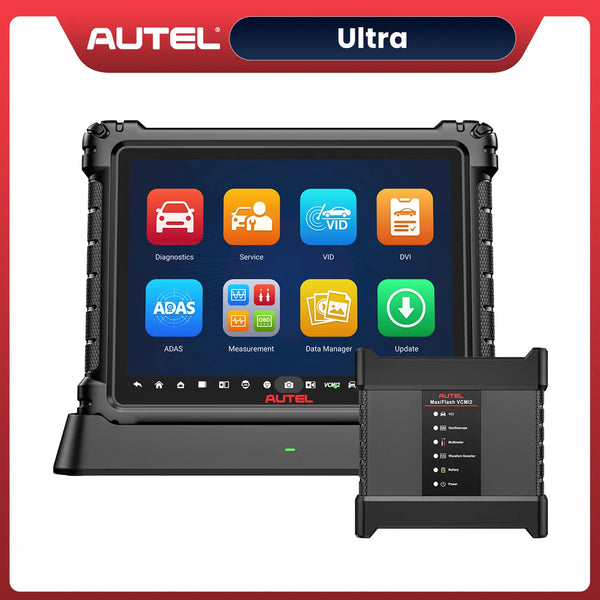
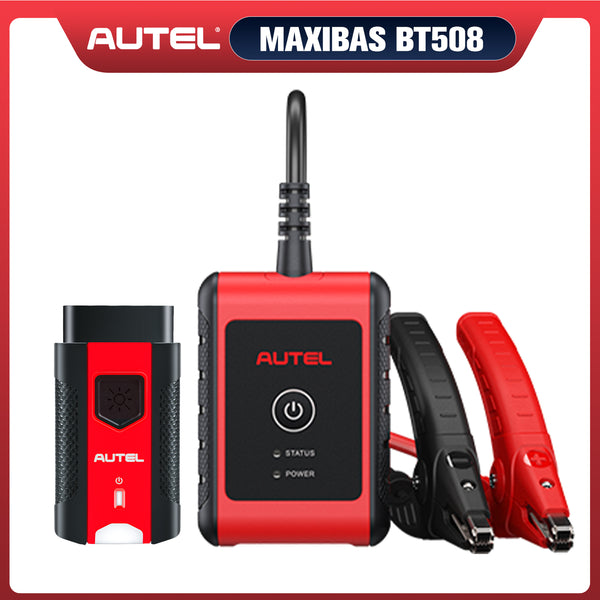
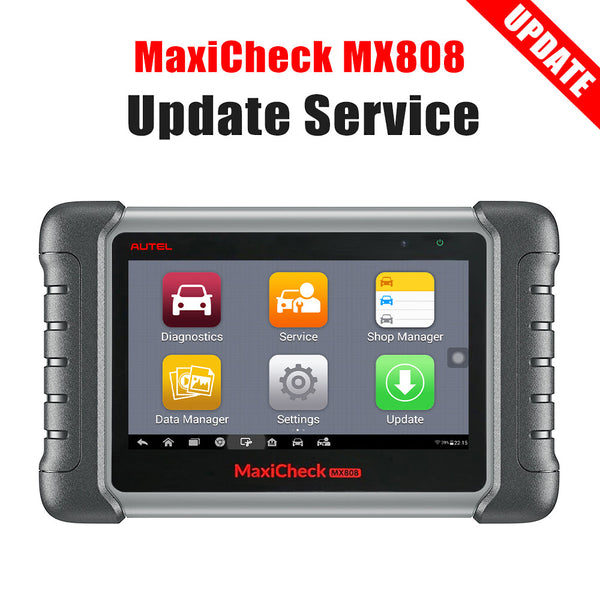
Start by confirming the P0010 code and checking for related fault codes. I recommend using a professional diagnostic scanner, such as an Autel OBD2 scanner (e.g., Autel MK808Z, MX808, MP808, or MaxiSys series).
Using an Autel scanner allows you to:
- Read and clear trouble codes
- View live data from the camshaft actuator
- Perform active tests on VVT solenoids (on supported models)
Steps:
- Connect the scanner to the vehicle’s OBD port
- Turn the ignition to ON (engine off)
- Read stored and pending codes
- Record any additional codes before repairs
After repairs, clear the codes and retest.
Step 2: Check Engine Oil Condition and Level
Engine oil plays a critical role in camshaft actuator operation.
- Check oil level using the dipstick
- Top off oil if low
- Inspect oil color and consistency
- Replace oil and filter if oil is dark, thick, or contaminated
Always use the manufacturer-recommended oil type and viscosity. In many cases, a proper oil change alone resolves the P0010 code.

Check Engine Oil Level
Step 3: Inspect and Clean the Camshaft Actuator Solenoid
The actuator solenoid is one of the most common failure points.
Procedure:
- Locate the solenoid (usually near the valve cover or timing cover)
- Disconnect the electrical connector
- Remove the solenoid carefully
- Inspect for sludge, debris, or oil blockage
- Clean using a suitable solvent cleaner
- Ensure oil passages are clear
Electrical Test:
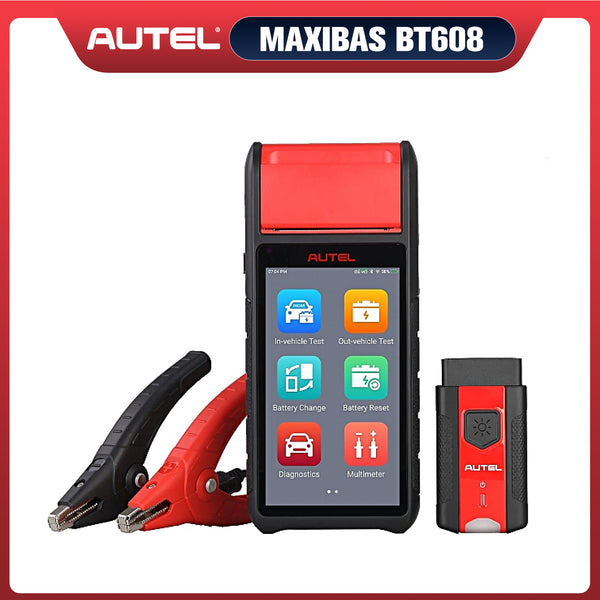
Use a multimeter to measure solenoid resistance. If readings are outside factory specifications, replacement is required.
Step 4: Inspect Wiring and Connectors
If the solenoid is functional, check the circuit:
- Look for frayed wires or insulation damage
- Check connectors for corrosion or bent pins
- Test continuity with a multimeter
- Repair or replace damaged wiring as needed
Ensure all connections are secure before reassembly.

Test continuity with a multimeter
Step 5: Replace the Camshaft Position Actuator Solenoid
If cleaning and testing fail, replacement is necessary.
Replacement Steps:
- Disconnect the battery
- Remove the faulty solenoid
- Install a new OEM-quality solenoid
- Reconnect wiring and battery
- Clear codes using your Autel scanner
Step 6: Verify the Repair
After completing repairs:
- Start the engine and let it idle
- Ensure the Check Engine Light remains off
- Test drive the vehicle
- Monitor live data with the Autel scanner
- Confirm the P0010 code does not return
Preventive Tips
To prevent the P0010 fault code from occurring in the future, it is important to follow proper maintenance practices. Regularly change the engine oil and oil filter using high-quality oil that meets the manufacturer’s specifications, as clean oil is essential for proper camshaft actuator operation.
During routine inspections, check wiring and electrical connectors for damage, corrosion, or loose connections. Additionally, always use OEM or high-quality replacement parts for critical components such as camshaft position actuator solenoids to ensure long-term reliability and optimal engine performance.

Change the engine oil regularly
Conclusion
Fixing the P0010 trouble code may seem intimidating, but with the right diagnostic approach and tools, it is completely manageable.
By using a reliable Autel diagnostic scanner, maintaining clean engine oil, and addressing actuator solenoid or wiring issues promptly, you can restore engine performance and reliability on virtually any modern vehicle.
If the problem persists after all checks, consulting a professional technician is recommended.
Frequently Asked Questions (FAQ)
Can a camshaft position sensor cause a P0010 code?
No. P0010 specifically refers to the camshaft actuator solenoid circuit, not the camshaft position sensor. However, the two are often confused during diagnosis.
Do I need to replace the timing chain to fix P0010?
In most cases, no. Timing chain replacement is only necessary if there is confirmed mechanical wear or stretching. Always diagnose the actuator system first.
What oil is best to prevent P0010 issues?
Use the oil grade and viscosity specified in your vehicle’s owner’s manual. High-quality synthetic oil and regular oil changes significantly reduce VVT-related problems.


