











You fixed the problem, cleared the trouble codes, and the Check Engine Light is off. But when you scan the vehicle again, the same code still appears under "Permanent DTCs."
Does that mean the repair failed? Not necessarily.
Permanent Diagnostic Trouble Codes (PDTCs) cannot be manually erased with an OBD-II scanner or by disconnecting the battery. The vehicle's onboard diagnostic system must verify that the original fault has been corrected before removing the permanent code.
Here's why permanent DTCs remain after repairs and what you can do to help the vehicle complete its verification process.

What Is a Permanent DTC?
A Permanent Diagnostic Trouble Code is an emissions-related fault record stored by a vehicle's OBD-II system. It prevents emissions problems from being hidden simply by clearing codes before an inspection.
Unlike ordinary stored codes, permanent DTCs remain until the vehicle completes the required diagnostic checks and confirms that the fault is no longer present.
For example, after repairing the cause of a P0420 catalyst efficiency fault, the permanent P0420 may remain until the catalyst monitoring requirements have been satisfied. That doesn't automatically mean the repair was unsuccessful.
Stored vs Pending vs Permanent DTCs
Not every code displayed by an OBD-II scanner means the same thing.
| Code Type | Meaning | Can You Clear It? |
|---|---|---|
| Pending DTC | A potential fault detected but not yet confirmed. | Generally yes. |
| Stored DTC | A fault recorded by the diagnostic system. | Generally yes. |
| Permanent DTC | An emissions fault record retained until onboard verification succeeds. | No, not manually. |
Why Won't a Permanent DTC Clear After a Repair?
1. The Required Monitor Hasn't Completed
OBD-II readiness monitors check emissions-related systems, including the catalyst, oxygen sensors, and EVAP system. These tests don't necessarily run every time you start the engine.
Some require specific engine temperatures, fuel levels, speeds, or driving conditions. Until the relevant monitor completes the necessary verification, the permanent code may remain.
2. The Original Problem May Still Exist
A permanent code can also remain because the original fault hasn't been fully resolved. For example, a P0420 fault may involve exhaust leaks, fuel mixture problems, or sensor issues rather than the catalytic converter alone.
If stored or pending codes return, investigate the underlying problem before replacing additional parts.
3. Repeatedly Clearing Codes Resets Readiness
Clearing ordinary trouble codes often resets readiness monitor status. Repeatedly pressing "Erase Codes" may delay the verification needed to remove a permanent DTC.
Once the repair is complete, avoid unnecessary code clearing and allow the vehicle to perform its self-tests.
How to Clear Permanent DTCs After a Repair
There is no universal scan tool command to erase a permanent DTC. Instead, follow these four steps.
Step 1: Verify the Repair
Check for stored and pending trouble codes, review relevant live data, and confirm whether the Check Engine Light remains off. If the original fault returns, further diagnosis is needed.
Step 2: Check OBD-II Readiness Monitors
Use a compatible scan tool to open the I/M Readiness function and check the monitor related to the original fault.
For example, P0420 relates to catalyst monitoring, while P0456 relates to EVAP monitoring. A monitor showing "Ready" is useful, but doesn't always guarantee that the permanent code has disappeared.
Our I/M readiness monitor guide explains how to interpret Ready and Not Ready results.

Check I/M Readiness Monitors
Step 3: Complete the Required Drive Cycle
Follow the manufacturer's recommended drive cycle. Depending on the vehicle, this may involve a cold start, normal engine warm-up, steady-speed driving, or specific fuel-level conditions.
Driving a fixed number of miles doesn't guarantee that the required monitor will complete. Follow the vehicle-specific procedure and always drive safely.
Step 4: Scan Again and Review the Results
After completing the appropriate driving conditions, check whether the relevant monitor has completed, whether stored or pending codes have returned, and whether the permanent DTC is still present.
If the code remains, review the manufacturer's diagnostic requirements and investigate possible intermittent faults. The vehicle will remove the permanent code automatically once the applicable verification conditions are satisfied.
Real-World Repair Scenarios: P0420 and P0456
P0420: Catalyst Efficiency Below Threshold
Suppose a technician repairs the cause of a P0420 fault. The Check Engine Light stays off, but permanent P0420 remains. One possible reason is that the catalyst monitor hasn't completed the required verification.
Instead of repeatedly clearing codes, check catalyst readiness and review relevant sensor data. If P0420 returns as a stored or pending code, follow our P0420 diagnostic troubleshooting guide to investigate possible causes.
P0456: Small EVAP System Leak
After repairing an EVAP leak, permanent P0456 may remain because the EVAP monitor hasn't run under the required fuel-level, temperature, or driving conditions.
Check EVAP readiness before assuming the repair failed. If the code returns or the system continues detecting a leak, our P0456 causes and fixes guide covers common problems and troubleshooting steps.
Can an Autel Scan Tool Clear Permanent DTCs?
An Autel scan tool cannot manually erase permanent DTCs, but it can help identify unresolved faults, check readiness status, and verify repairs.
Autel MaxiCheck MX808S: Everyday Diagnostics
The Autel MaxiCheck MX808S is suitable for DIY enthusiasts and technicians who need more than basic code reading. It offers full-system diagnostics, live data, active tests, and service functions on compatible vehicles.
After repairing a P0456 leak, for example, the MX808S can help check OBD-II readiness and determine whether the original fault has returned.
 22% OFF
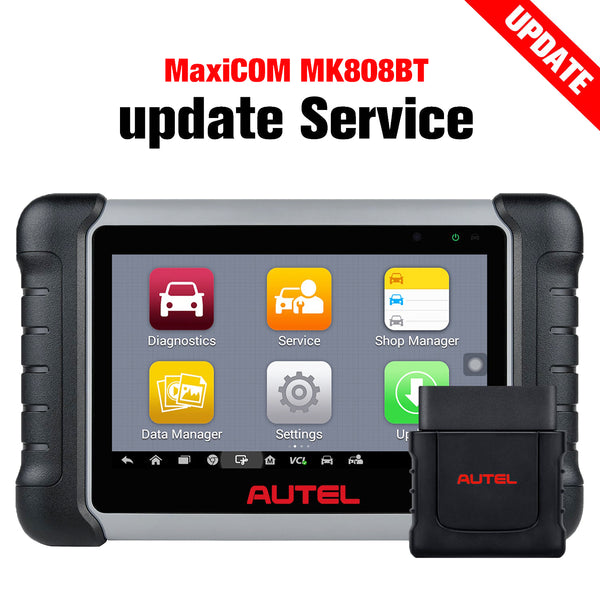
Autel MaxiCOM MK808S / MK808Z
$499.00
2026 Autel Entry-Level Diagnostic Scanner with OE-Level All System Diagnostics, Active Tests & 28+ Service Functions
Autel MaxiCOM MK906S Pro: Professional Diagnostics
The Autel MaxiCOM MK906S Pro is designed for technicians who need deeper diagnostic capabilities, including comprehensive system scanning, live data analysis, bi-directional control, and ECU coding on supported vehicles.
For a recurring P0420 fault, technicians can use the MK906S Pro to review available oxygen sensor data, examine engine parameters, and check catalyst monitor status before deciding whether further repairs are necessary.
Neither scanner can bypass the permanent DTC clearing process. Explore more Autel advanced diagnostic tools to find the right equipment for your repair needs.
 $440 OFF
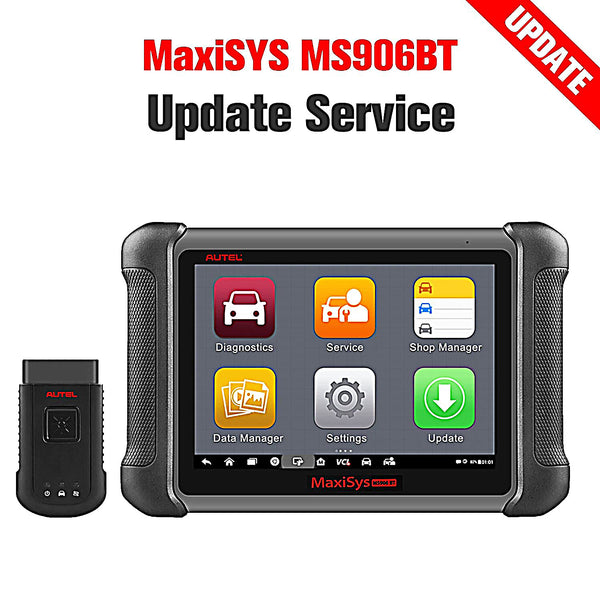
Autel MaxiCOM MK906S Pro
$1499.00
2026 Autel Professional Diagnostic Scanner with Advanced ECU Coding, Bi-Directional Control & 36+ Service Functions
Will a Permanent DTC Cause an Emissions Test Failure?
It depends on local inspection regulations, vehicle model year, and the applicable emissions testing program.
For example, California's Smog Check program evaluates permanent DTCs on applicable vehicles. However, its light-duty inspection rules provide an exception when a vehicle has completed at least 15 warm-up cycles and traveled at least 200 miles since its OBD information was last cleared.
This is an inspection exception, not a universal method for erasing permanent DTCs. Other inspection requirements still apply.
For details, consult the California Bureau of Automotive Repair.
Frequently Asked Questions
Can a permanent DTC be cleared with an OBD-II scanner?
No. The vehicle's onboard diagnostic system must verify that the original fault has been corrected before removing the permanent code.
How long does it take for a permanent DTC to clear?
There is no universal time or mileage requirement. It depends on the vehicle, original fault, and diagnostic monitor conditions.
Will disconnecting the battery remove permanent trouble codes?
No. Disconnecting the battery doesn't erase permanent DTCs and may reset readiness information.
Does driving 200 miles automatically clear permanent DTCs?
No. California's 200-mile and 15-warm-up-cycle provision is an inspection exception, not a universal code-clearing procedure.
Can I pass an emissions test with a permanent DTC?
It depends on local regulations. Some inspection programs have specific exceptions, but a permanent code may still affect the inspection result.
Final Thoughts
A permanent DTC remaining after a repair doesn't automatically mean the repair failed. It may simply indicate that the vehicle hasn't completed the required diagnostic verification.
Use a compatible OBD-II or Autel scan tool to check for returning faults, review readiness monitors, and follow the manufacturer's recommended drive cycle.
Remember: Clearing a code and fixing a problem are different things. Permanent DTCs are designed to ensure the vehicle verifies the repair before removing the fault record.


