





![IM608 PRO II Full Kit<br>[2-Year Free Update]](http://www.obdprice.com/cdn/shop/files/Autel_IM608S_II_Full_Kit_1_600x600.webp?v=1755662636)

![IM508S PRO<br>[2-Year Free Update]](http://www.obdprice.com/cdn/shop/files/Autel_MaxiIM_IM508S_Pro_600x600.webp?v=1755662755)
![IM508S<br>[2-Year Free Update]](http://www.obdprice.com/cdn/shop/files/AUTEL_MAXIIM_IM508S_600x600.webp?v=1755662895)


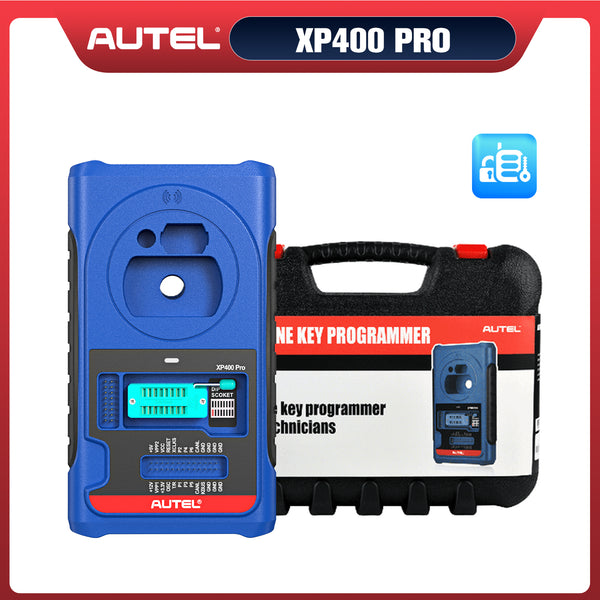


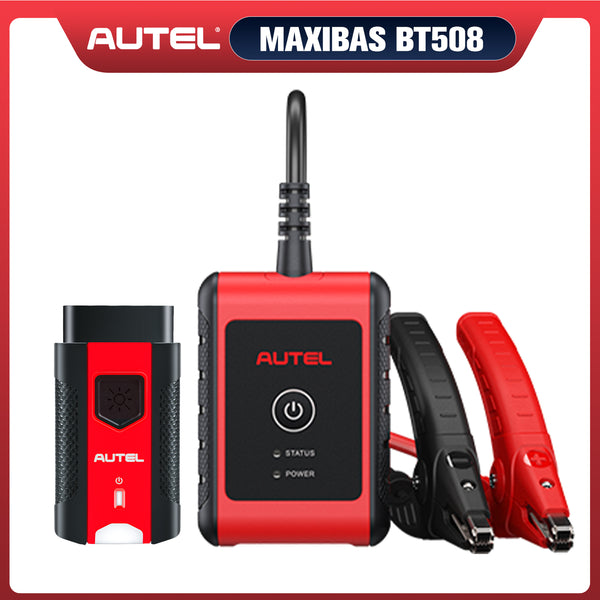

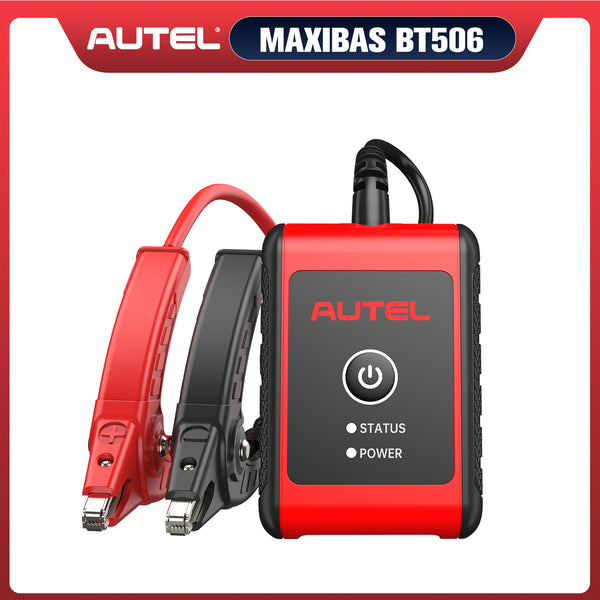


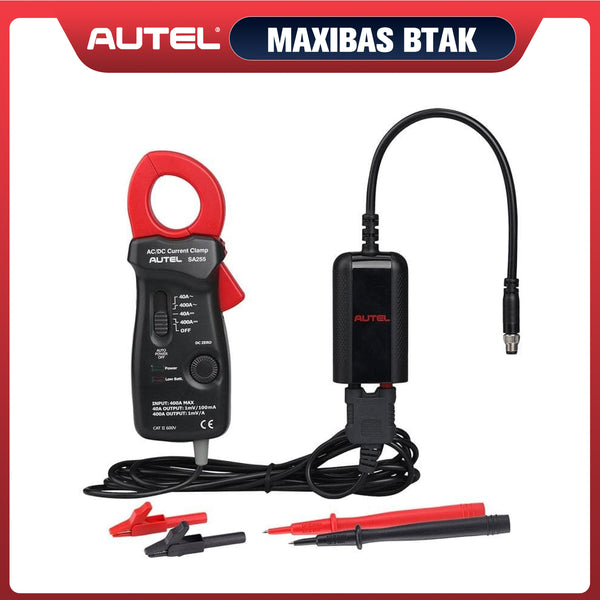











In modern automotive repair and diagnostics, the Autel scanner is an essential tool for car owners and technicians to assess engine performance. Especially for the air-fuel ratio (AFR) sensor, the automotive diagnostic tools can read AFR data in real time, analyze fuel trim parameters (Fuel Trim), detect the oxygen sensor heater status, and help quickly pinpoint the source of the fault.
The AFR sensor monitors the oxygen content in the exhaust gas and feeds this information back to the engine control module (ECM/ECU) to adjust fuel injection for optimal combustion. With the Autel scanner, technicians can obtain accurate real-time data quickly, determine whether the mixture is too rich or too lean, and make precise repair decisions.
The air-fuel ratio is one of the most critical control parameters of an internal combustion engine, directly affecting engine efficiency, power output, fuel economy, and emissions. This article will comprehensively analyze the working principle, types, fault symptoms, and replacement recommendations of the AFR sensor, and, in conjunction with the usage of the Autel scanner, help you quickly diagnose and optimize engine performance.

What is an air-fuel ratio sensor?
An air-fuel ratio sensor, also known as a wideband oxygen sensor, is a key electronic component installed in the exhaust system. Unlike traditional narrowband oxygen sensors, air-fuel ratio sensors provide a wider range and more accurate air-fuel ratio reading, which is crucial for efficient combustion in modern engines.
Its main functions include:
- Detecting the residual oxygen content in exhaust gas
- Transmitting the oxygen concentration signal to the ECM
- Allowing the ECM to adjust the fuel injection quantity based on the reading
- Maintaining the engine operating close to the ideal stoichiometric ratio

Air-Fuel Ratio Sensor
The Importance of Air-Fuel Ratio and Stoichiometric Ratio
The air-fuel ratio is the ratio of air mass to fuel mass. For example: The ideal stoichiometric ratio for a gasoline engine is 14.7:1, meaning 14.7 parts air and 1 part fuel are completely burned.
Different Mixture States:
| State | Characteristics | Impact |
| Rich Mixture | More fuel, less air | More power, but higher fuel consumption and lower emissions |
| Lean Mixture | Less fuel, more air | More fuel, but weaker power and increased NOx emissions |
The engine must constantly rely on feedback from the air-fuel ratio sensor to fine-tune the fuel injection quantity to ensure the optimal balance between power, fuel consumption, and emissions.
Structure and Working Principle of Air-Fuel Ratio Sensors
An air-fuel ratio sensor typically consists of the following components:
- Zirconium oxide sensing element
- Reference electrode
- Pump chamber/diffusion chamber (unique to broadband sensors)
- Heating element
- Metal protective housing
Its basic principle is based on the Nernst equation: The sensor compares the oxygen content in the exhaust gas with the oxygen content in the outside air and generates a voltage signal based on the difference.
Broadband AFR Sensor Operation
- The pump chamber inside the sensor attempts to maintain an ideal oxygen concentration.
- The ECM determines whether the mixture is rich or lean based on changes in pump current.
- A larger pump current indicates a greater oxygen difference, and the ECM adjusts the fuel injection quantity for correction.
- The heating element ensures the sensor operates at the correct temperature, improving accuracy and response speed.

Working Principle of AFR Sensor
Types of Air-Fuel Ratio Sensors
1. Narrow-band Oxygen Sensor (Traditional)
- Narrow operating range, can only determine "rich/lean" conditions
- Outputs high/low voltage switching signals
- Unsuitable for modern high-precision fuel systems
2. Wide-band Air-Fuel Ratio Sensor (modern)
- Wide measurement range
- Outputs continuous and accurate signals
- Used in complex systems such as direct injection engines, hybrid systems, and turbochargers
- A mainstream configuration in modern vehicles
Symptoms of Air-Fuel Ratio Sensor Failure
When the AFR sensor fails or becomes contaminated, the vehicle will experience:
- Check Engine indicator light on the dashboard
- Increased fuel consumption
- Increased emissions
- Unstable engine idling
- Jerking or sluggish acceleration while driving
- Difficulty starting the engine when cold
- Abnormally pungent exhaust odor
How to use an Autel scanner to test the air-fuel ratio sensor?
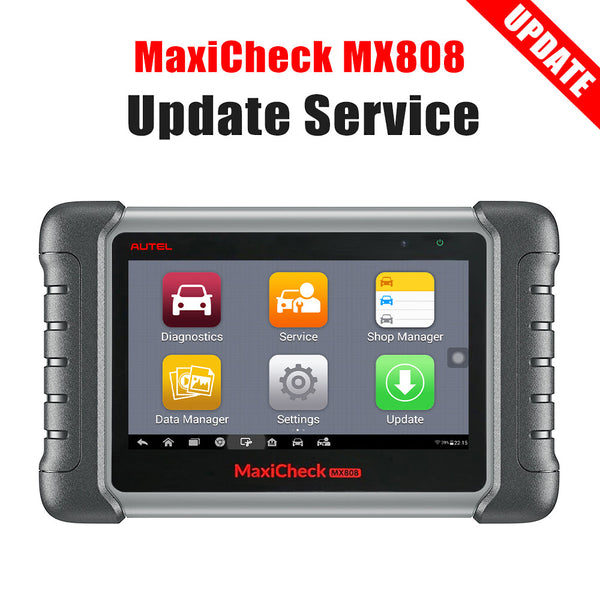
Autel's mid-to-high-end diagnostic instruments (such as the Autel MP900TS, MX808S and Ultra S2) can easily read AFR/O2 sensor data and perform advanced diagnostics.
Key Detectable Data:
- Real-time Air-Fuel Ratio
- Air-Fuel Ratio Sensor Voltage
- Short-Term Fuel Compensation Time (STFT)
- Long-Term Fuel Compensation Time (LTFT)
- Exhaust Gas Oxygen Sensor Pump Current
- Heater Operating Status

Use Autel MP808TS Test AFR Sensor
Common Value Judgment Criteria
| Item | Normal Range | Abnormal Behavior |
| AFR | Close to 14.7:1 | High = Lean, Low = Rich |
| STFT | ±5% | Above ±10% indicates abnormal air-fuel ratio |
| LTFT | ±5% | Above ±10% often indicates sensor or intake leak problems |
Autel Scanner Advanced Functions (Depending on Model)
- O2/AFR Sensor Activity Test
- Heater Circuit Test
- Fuel Trim Graphical Display
- One-Click Print or Export of Diagnostic Report
How much does it cost to replace an air-fuel ratio sensor?
Costs vary depending on vehicle model:
| Item | Price |
| Range Sensor Body (Original) | $80–$300 |
| Universal Matching Model | $50–$150 |
| Labor Cost | $50–$250 |
| Total Cost (Average) | $150–$500 |
Generally, wideband AFR sensors are more expensive than traditional narrowband oxygen sensors.
Conclusion
Air-fuel ratio sensors are an indispensable core component of modern engine management systems. By accurately monitoring exhaust oxygen content, they help the ECM achieve efficient fuel control, thereby improving power, reducing fuel consumption, and reducing emissions.
With the Autel scanner, vehicle owners and repair technicians can quickly read AFR-related data, locate the root cause of faults, and verify repair effectiveness, thus avoiding unnecessary replacements and improving diagnostic efficiency.


