




![IM608 PRO II Full Kit<br>[2-Year Free Update]](http://www.obdprice.com/cdn/shop/files/Autel_IM608S_II_Full_Kit_1_600x600.webp?v=1755662636)

![IM508S PRO<br>[2-Year Free Update]](http://www.obdprice.com/cdn/shop/files/Autel_MaxiIM_IM508S_Pro_600x600.webp?v=1755662755)
![IM508S<br>[2-Year Free Update]](http://www.obdprice.com/cdn/shop/files/AUTEL_MAXIIM_IM508S_600x600.webp?v=1755662895)


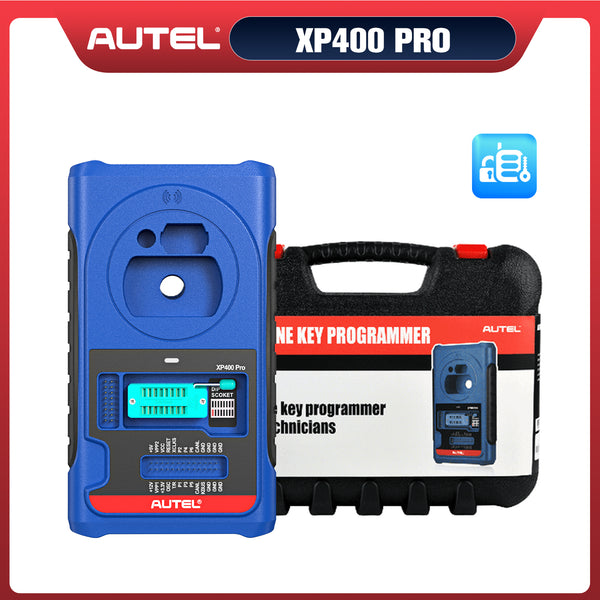


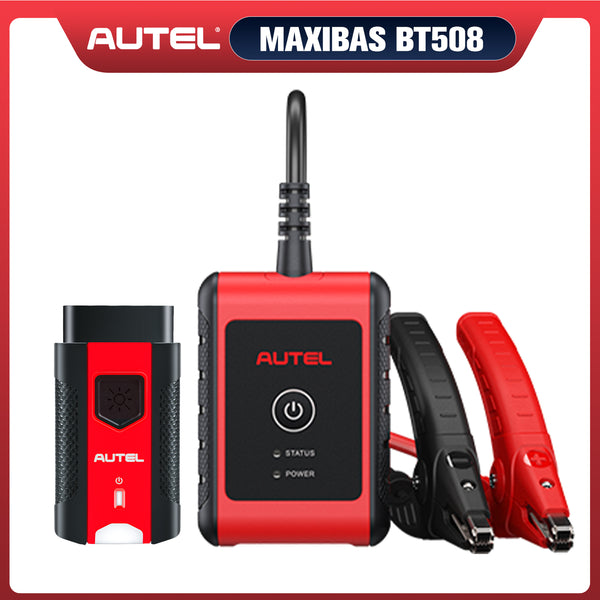
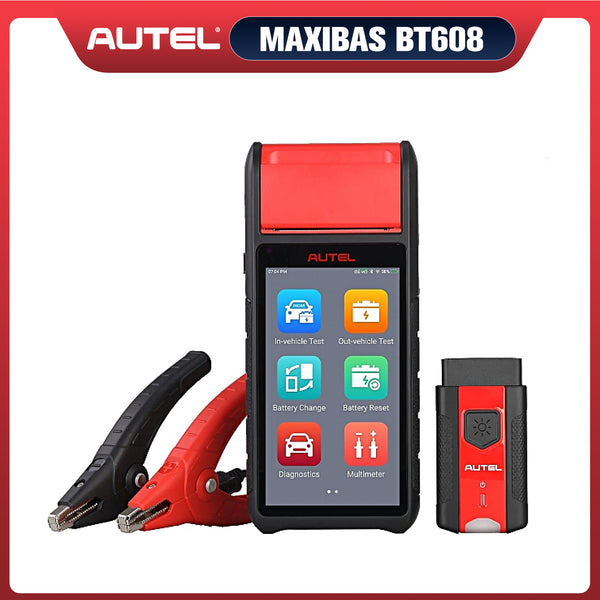
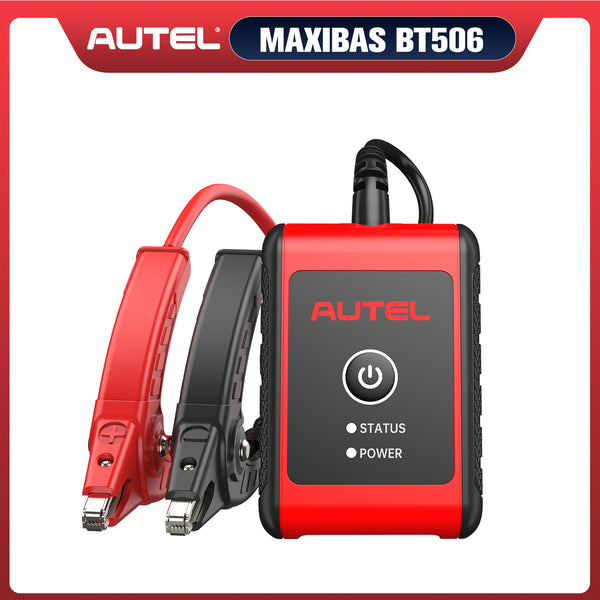


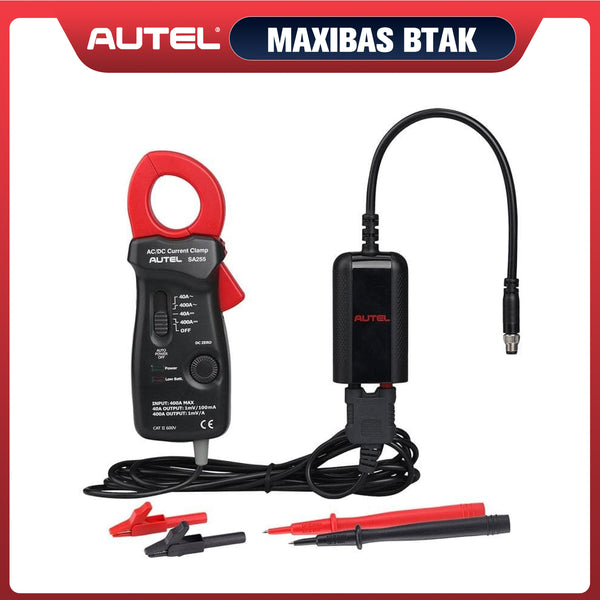

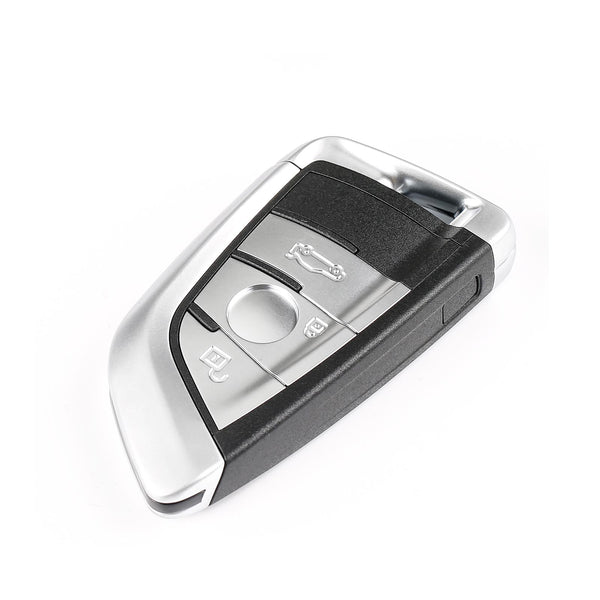
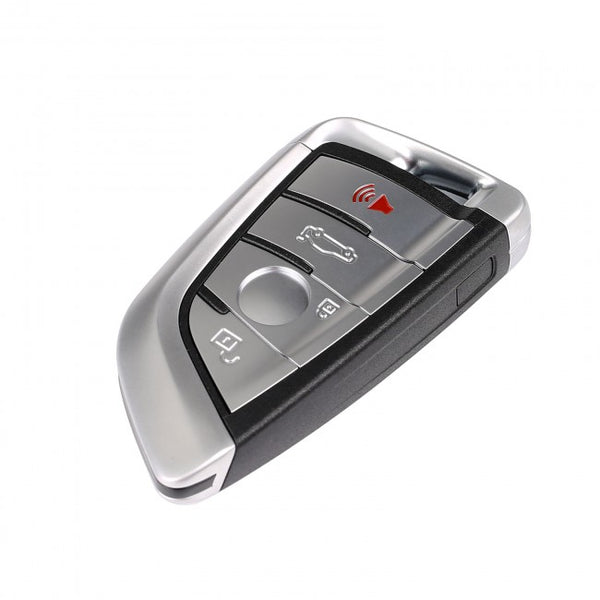
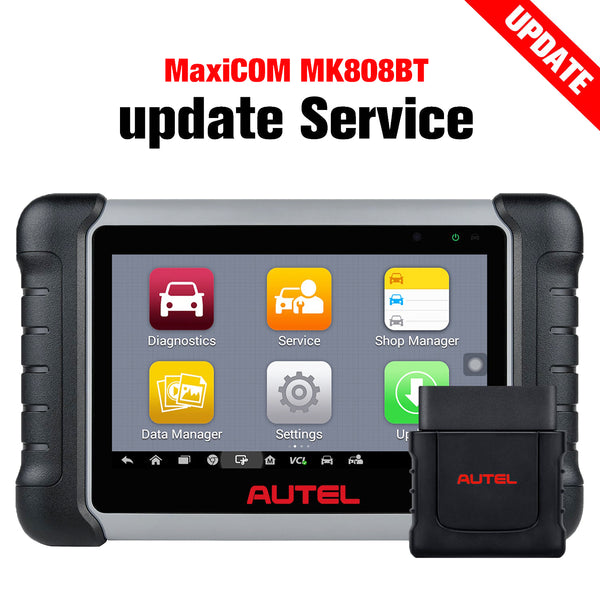
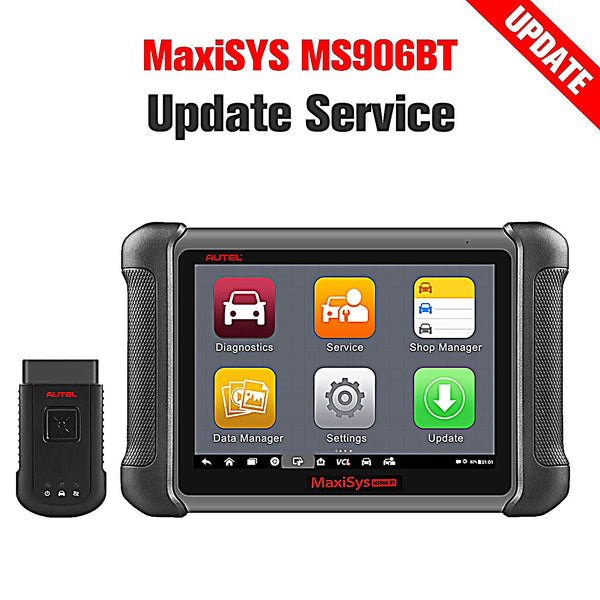
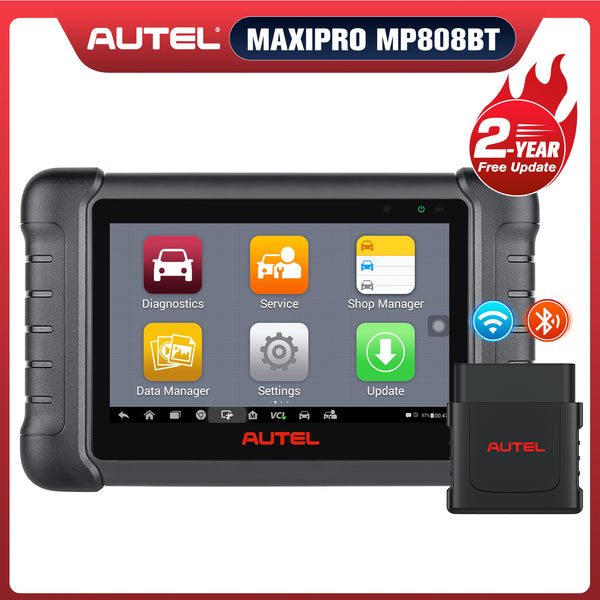

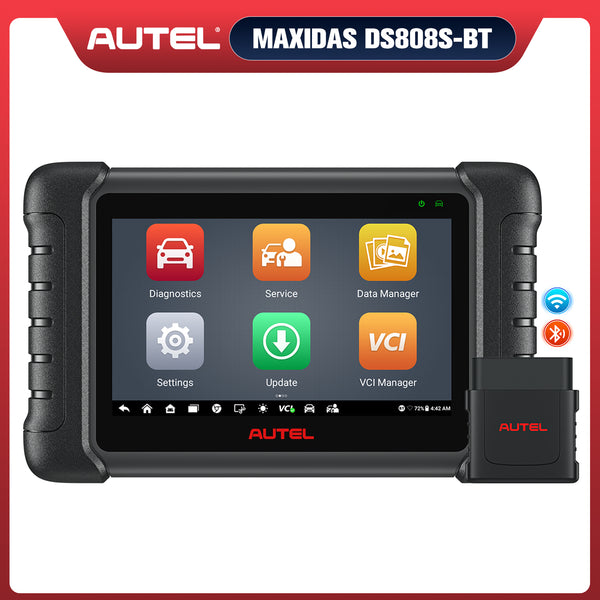


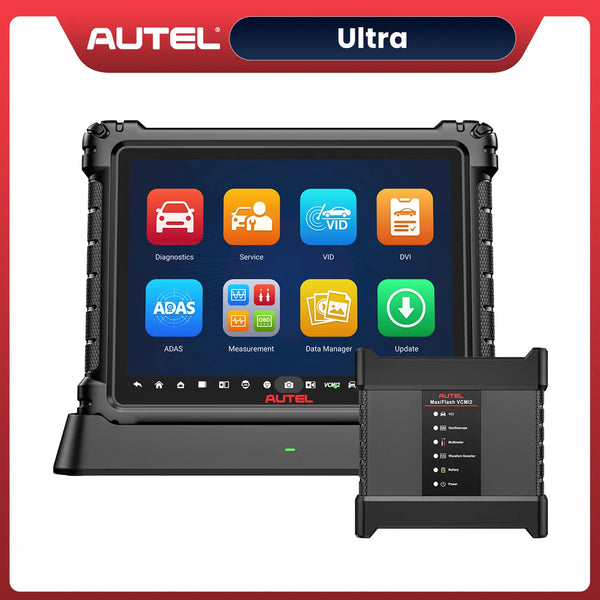
Modern vehicles are no longer purely mechanical machines. They rely on dozens of electronic control units to manage braking, engine performance, emissions, safety, and comfort systems. While basic OBD2 scanners can read and clear fault codes, they are often not enough to complete real repairs.
This is where diagnostic special functions come in. These advanced functions allow direct interaction with vehicle systems—resetting learned values, performing calibrations, activating components, and completing service procedures that would otherwise require dealer-level tools.
Professional diagnostic scanners, such as Autel scan tools, are designed to support these operations across a wide range of vehicles.This guide explains the most important diagnostic special functions, what they do, and when they are typically used.

What Are Diagnostic Special Functions?
Diagnostic special functions go beyond standard code reading. Instead of only identifying problems, they allow technicians to intervene directly in system operation.
Basic OBD2 vs Advanced Diagnostics
Basic OBD2 functions include:
- Reading and clearing fault codes
- Viewing live data
- Checking readiness status
Advanced special functions include:
- System resets and adaptations
- Component activation tests
- Sensor calibration
- Module relearning after repairs
Many of these functions require bidirectional communication with vehicle modules, which is supported by professional scanners like Autel scanners, depending on the model.

Autel Scanners Special Functions Overview
Safety and Vehicle Control Functions
1. ABS Bleeding
This function activates the ABS pump and solenoid valves to remove trapped air from the braking system. Without this procedure, air may remain inside the ABS module, leading to poor brake performance.
Common use cases:
- Brake fluid replacement
- ABS module or brake line repairs
2. EPB Reset
Electronic Parking Brake systems must be placed into service mode before brake pad replacement. The EPB reset function retracts the brake motors safely and restores normal operation after service.
Common use cases:
- Rear brake pad replacement
- Parking brake warning lights
3. Steering Angle Sensor Calibration
Steering angle data is critical for stability and traction control systems. Calibration ensures the steering wheel position matches the vehicle’s actual direction.
Common use cases:
- Wheel alignment
- Steering or suspension repairs

Steering angle sensor fault light
4. Suspension and Ride Height Adjustment
Vehicles equipped with air suspension require calibration to maintain correct ride height and balance.
Common use cases:
- Uneven vehicle height
- Suspension component replacement
Engine Performance and Emissions Functions
1. DPF Regeneration
Diesel particulate filters collect soot from exhaust gases. Forced DPF regeneration raises exhaust temperatures to burn off carbon deposits and restore airflow.
Common use cases:
- Reduced engine power
- DPF or emission warning lights
2. Injector Coding
Each fuel injector has unique operating characteristics. Injector coding ensures the ECU delivers fuel accurately after injector replacement.
Common use cases:
- Injector replacement
- Rough idle or poor fuel economy

Inspection and preparation before replacing the fuel injector
3. Throttle Body Adaptation
Over time, throttle position values drift due to carbon buildup. Throttle adaptation resets these values for smoother acceleration and stable idle.
Common use cases:
- Throttle body cleaning
- Hesitation or unstable idle
4. Air–Fuel Ratio and Emission System Resets
These functions optimize combustion and emissions control by relearning mixture parameters and sensor values.
Common use cases:
- Increased fuel consumption
- Emission-related fault codes
5. NOx Sensor and DEF System Reset
Modern diesel vehicles use NOx sensors and DEF systems to meet emission standards. After repairs, these systems often require recalibration.
Common use cases:
- DEF warning lights
- SCR or emission system service
Key, Security, and Access Control Functions
1. Immobilizer Key Programming (IMMO)
Modern keys contain transponder chips linked to the vehicle’s immobilizer system. New keys must be programmed before the engine will start.
Common use cases:
- Lost or damaged keys
- Adding spare keys
Advanced key programming is supported on selected Autel key programmer, depending on vehicle security requirements.

Key Programming Function of Autel Scanners
2. Remote Control and Central Locking Learning
This function pairs key fobs with the vehicle’s body control module.
Common use cases:
- Replacing key remotes
- Door lock synchronization issues
3. Door and Window Initialization
After battery disconnection or module replacement, windows and doors may lose their learned positions. Initialization restores proper operation.
Common use cases:
- Auto window malfunction
- Battery replacement
Transmission, Tire, and Drivetrain Functions
1. Automatic Transmission Adaptation
Transmission adaptation relearns shift behavior to improve smoothness and drivability after repairs or fluid changes.
Common use cases:
- Harsh or delayed shifting
- Transmission service

Use Autel Scanners to Complete Transmission Adaptation
2. Gearbox Control Reset
Clears learned transmission data so the system can adapt to updated mechanical conditions.
Common use cases:
- Transmission rebuild
- Control module replacement
3. Tire Size Configuration and TPMS Reset
When tire sizes change, vehicle parameters must be updated to maintain accurate speed and stability control. TPMS reset ensures correct tire pressure readings.
Common use cases:
- Seasonal tire changes
- Sensor replacement
Electronic, Comfort, and Body System Functions
1. Oil Service Reset
Resets oil change reminders after routine maintenance.
Common use cases:
- Oil change
- Battery Registration

The oil light needs to be reset after an oil change.
2. Battery Registration
Registers a new battery so the vehicle can manage charging and energy consumption correctly.
Common use cases:
- Battery replacement
- Start-stop system issues
3. Headlight Leveling Calibration
Ensures correct headlight alignment for adaptive or auto-leveling systems.
Common use cases:
- Headlight replacement
- Beam adjustment
4. Sunroof Initialization
Resets sunroof limit positions for smooth opening and closing.
Common use cases:
- Sunroof motor replacement
- Stuck or misaligned sunroof
5. Transport Mode Deactivation
Some vehicles ship with transport mode enabled to reduce battery drain. This mode must be disabled for normal operation.
Common use cases:
- New vehicle delivery
- Electrical feature limitations

Use Autel Scanners to Delete Transport Mode
Choosing a Diagnostic Tool with Advanced Functions
Not all diagnostic scanners support the same level of system access. Entry-level tools may only handle basic resets, while advanced scanners provide full system diagnostics, active tests, and adaptations.
Autel scanners are widely used because they offer OE-level diagnostics, broad vehicle coverage, and consistent software updates. When selecting a scanner, it’s important to match the tool’s special function capabilities to the types of vehicles and repairs you handle most often.
Final Thoughts
With the right diagnostic scanner and a solid understanding of these functions, technicians and serious DIY users can confidently handle complex vehicle systems without unnecessary dealership visits.


Leave a comment