





![IM608 PRO II Full Kit<br>[2-Year Free Update]](http://www.obdprice.com/cdn/shop/files/Autel_IM608S_II_Full_Kit_1_600x600.webp?v=1755662636)

![IM508S PRO<br>[2-Year Free Update]](http://www.obdprice.com/cdn/shop/files/Autel_MaxiIM_IM508S_Pro_600x600.webp?v=1755662755)
![IM508S<br>[2-Year Free Update]](http://www.obdprice.com/cdn/shop/files/AUTEL_MAXIIM_IM508S_600x600.webp?v=1755662895)













Damaged wiring
Blown fuse
Heater circuit failure
Repair wiring issues
Check fuse & power supply
Clear code after repair
When your vehicle's engine control module (ECM) detects a malfunction in the oxygen sensor's heating circuit, it triggers the P0135 code. This code indicates that the ECM has identified an issue with the oxygen sensor heater circuit, which is crucial for the proper functioning of the oxygen sensor.
In this article, we will explore the causes of the P0135 code, potential fixes, and how to diagnose it using Autel scanners.

What Does the P0135 Code Mean?
The P0135 code specifically refers to a malfunction in the oxygen sensor heating circuit. The oxygen sensor heater is responsible for bringing the sensor up to its optimal operating temperature quickly, allowing it to provide accurate readings to the ECM. When the heater circuit malfunctions, it can lead to inaccurate readings and affect the overall performance of the engine.
Causes of P0135 Code
The P0135 code is triggered when your vehicle’s engine control module (ECM) detects a malfunction in the oxygen sensor heater circuit for Bank 1 Sensor 1. This heater is responsible for bringing the O2 sensor up to operating temperature quickly after startup. When something in this circuit fails, the ECM logs P0135.
The P0135 code can be caused by several factors, including:
-
Faulty Oxygen Sensor (Most Common)
Over time, the upstream oxygen sensor can wear out or become contaminated by carbon deposits, oil, or coolant. When the internal heater element fails, the sensor can no longer warm up properly—triggering the P0135 code. -
Damaged Wiring or Connectors
The heater circuit relies on proper electrical connections. If the wiring harness is:- Frayed
- Burnt from engine heat
- Corroded due to moisture

O2 sensor damage wiring
-
Blown Fuse
Many vehicles protect the O2 sensor heater circuit with a dedicated fuse. If that fuse blows, the heater loses power completely, and the ECM will immediately detect the issue. -
Heater Circuit Short or Open
A short circuit (too much current) or an open circuit (no continuity) in the heater wiring can prevent the system from functioning. This is often related to damaged insulation or internal breaks in the wiring. -
Faulty Engine Control Module (Rare)
In rare cases, the ECM itself may fail to properly control or monitor the heater circuit. This is uncommon but should be considered if all other components test good. -
Poor Ground Connection
The heater circuit requires a stable ground. A loose or corroded ground point can lead to intermittent or complete heater failure, triggering the code.
Common Symptoms of P0135 Code
When the P0135 code is present, you may experience several symptoms that indicate an issue with the oxygen sensor heater circuit. Common symptoms include:
- Check engine light comes on
- Fuel economy becomes less efficient
- Vehicle may run rough or idle
- Engine doesn’t operate as smoothly during start-up
- Exhaust smells bad or emits black smoke

Check Engine Light On
How to Diagnose P0135 with an Autel Scanner
Diagnosing the P0135 code accurately is important because the problem may come from the oxygen sensor itself, the heater circuit, or damaged wiring. A professional diagnostic tool like an Autel scanner can help you quickly pinpoint the root cause instead of replacing parts blindly.
Follow these steps to diagnose the issue properly:
Step 1: Connect the Autel Scanner
Locate your vehicle’s OBD2 port, usually found under the dashboard near the driver’s seat. Plug in your Autel scanner and turn the ignition to the ON position.
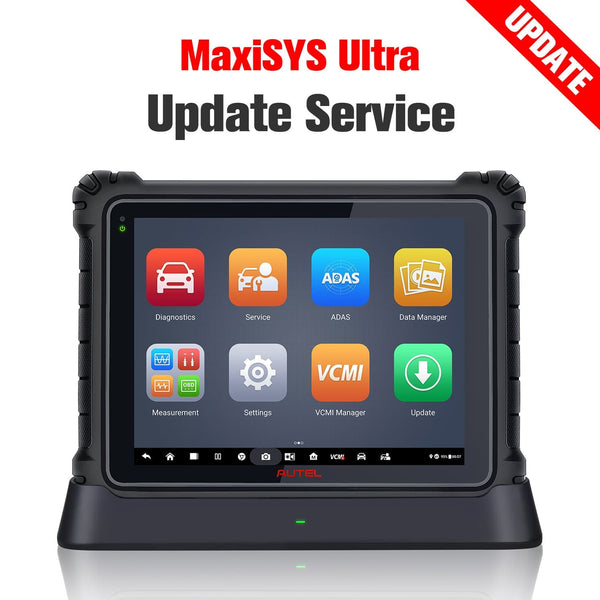
Modern Autel scanners such as the Autel MaxiCOM MK900BT or Autel MaxiSys Ultra can automatically identify the vehicle and access full system diagnostics.
Step 2: Read the Trouble Codes
Run a complete diagnostic scan and confirm that P0135 is stored in the ECM.
The scanner may display:
- P0135 — O2 Sensor Heater Circuit Malfunction (Bank 1 Sensor 1)
Check for additional codes as well. Related fuel trim or oxygen sensor codes may indicate a larger electrical issue.

Diagnose P0135 Code with Autel Scanner
Step 3: Review Freeze Frame Data
Use the Autel scanner to view Freeze Frame Data, which records engine conditions when the code was triggered.
Pay attention to:
- Engine temperature
- RPM
- Vehicle speed
- Fuel trim values
- Battery voltage
This information helps determine whether the problem occurs during cold starts, driving, or idle conditions.
Step 4: Check Live Data from the O2 Sensor
One of the most useful Autel features is Live Data monitoring.
Look at:
- O2 sensor voltage readings
- Heater status
- Fuel trim data
- Sensor response speed
A properly functioning upstream oxygen sensor should respond quickly once the engine warms up. If the sensor remains inactive or heats up very slowly, the heater circuit may have failed.
Step 5: Inspect the Heater Circuit
Turn off the engine and visually inspect:
- Wiring harness
- Connectors
- Ground points
- Fuse related to the O2 heater circuit
Look for:
- Melted wires
- Corrosion
- Loose connections
- Burnt terminals
Many P0135 problems are caused by damaged wiring near the exhaust system because of excessive heat exposure.
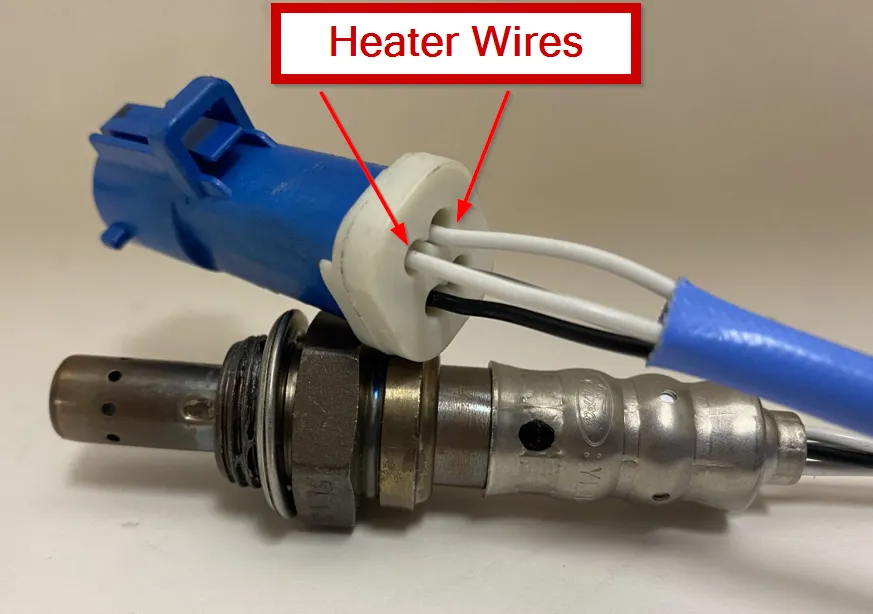
Check O2 Sensor Heater Wiring
Step 6: Use Active Test Functions (If Supported)
Advanced Autel scanners support Bi-directional Control / Active Tests, allowing you to command certain components directly.
You can test whether the heater circuit responds properly without removing the sensor. This helps confirm whether the fault is:
- The oxygen sensor itself
- A power supply issue
- A wiring problem
- An ECM control issue
Step 7: Clear the Code and Perform a Road Test
After repairs are completed:
- Clear the fault code using the Autel scanner
- Start the engine
- Perform a short road test
- Recheck for pending or stored codes
If P0135 does not return, the repair was successful.
How to Fix the P0135 Code
Fixing the P0135 code usually involves addressing the oxygen sensor heater circuit. The exact repair depends on what caused the issue, but most fixes are straightforward.
-
Replace the Oxygen Sensor
The most common solution is replacing the upstream O2 sensor (Bank 1 Sensor 1). Over time, the internal heater element fails, making replacement the quickest and most reliable fix.
Replace the Oxygen Sensor
-
Repair Damaged Wiring or Connectors
If the wiring harness is burned, frayed, or corroded, repair or replace the damaged section. Make sure all connectors are clean, tight, and properly secured. -
Check and Replace the Fuse
Inspect the fuse related to the O2 sensor heater circuit. If it’s blown, replace it and verify there are no underlying electrical issues. -
Fix Ground or Power Supply Issues
Ensure the heater circuit has a proper ground and voltage supply. Poor grounding can prevent the sensor from heating correctly. -
Clear the Code and Test Drive
After completing repairs, use an Autel scanner to:- Clear the fault code
- Start the engine
- Perform a short drive cycle
Can You Drive A Vehicle with a P0135 Code?
Though it is technically possible to drive a vehicle with a P0135 code, it’s strongly recommended to avoid doing so. Even if driving with such a code is safe for the vehicle, it can reduce fuel efficiency and cause engine damage if it’s left unaddressed for too long. Because of this, it’s always best to diagnose and fix code P0135 as soon as possible.
Conlusion
A P0135 code isn't a death sentence for your car, but ignoring it will cost you money in wasted fuel and potential catalytic converter damage.
By using an Autel scanner, you eliminate the guesswork. Instead of blindly replacing expensive parts, Autel’s Live Data feature allows you to pinpoint exactly whether you are dealing with a blown fuse, bad wiring, or a failed O2 sensor heater.
Once the repair is done, simply use your tool to clear the code, perform a test drive, and enjoy your smooth, efficient ride once again. True DIY diagnostics have never been e


