




![IM608 PRO II Full Kit<br>[2-Year Free Update]](http://www.obdprice.com/cdn/shop/files/Autel_IM608S_II_Full_Kit_1_600x600.webp?v=1755662636)

![IM508S PRO<br>[2-Year Free Update]](http://www.obdprice.com/cdn/shop/files/Autel_MaxiIM_IM508S_Pro_600x600.webp?v=1755662755)
![IM508S<br>[2-Year Free Update]](http://www.obdprice.com/cdn/shop/files/AUTEL_MAXIIM_IM508S_600x600.webp?v=1755662895)







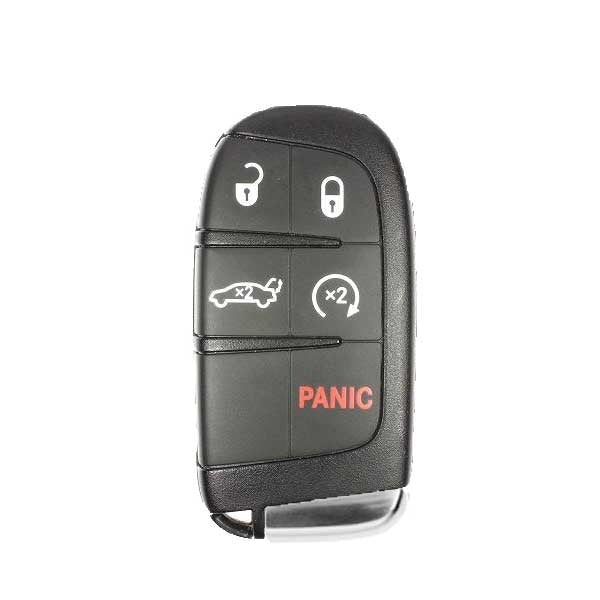
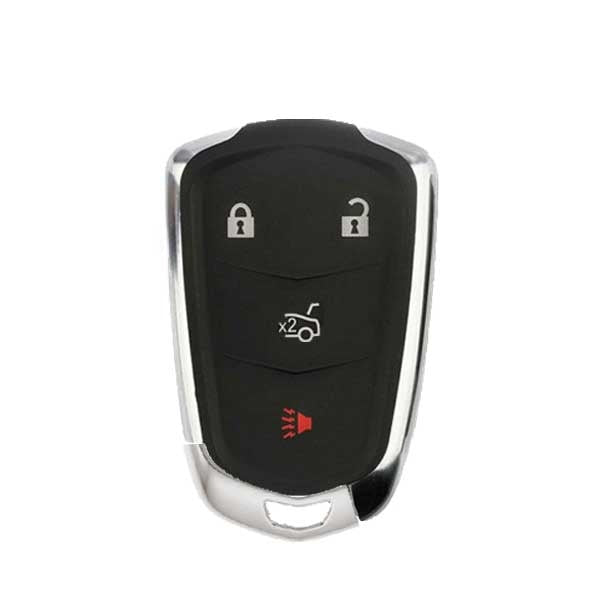
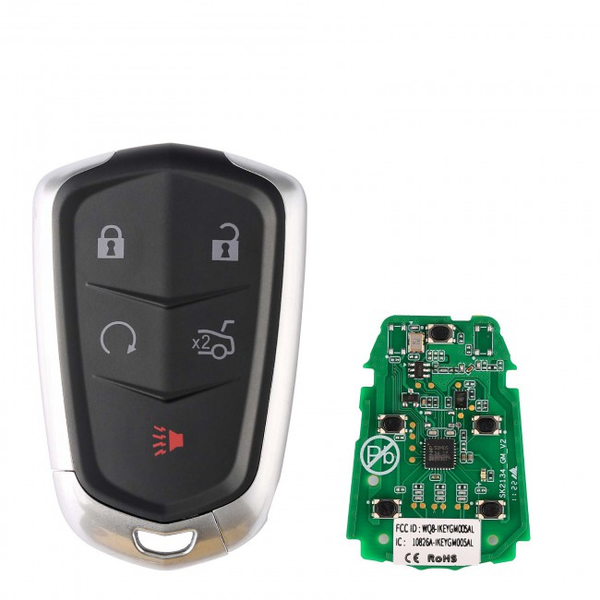


Car anti-theft systems have become increasingly secure with technological advancements, but this has also placed higher demands on diagnostic and key programming tools. The more complex the anti-theft system, the more difficult it is to diagnose. Some car models cannot be added or matched for lost keys via the OBD interface, requiring disassembly and reading of the anti-theft module for these operations.
So what is key splitting and reading, and how is it performed? Can the Autel key programming tool do this? Let's take a look.

What Is Split Read in Immobilizer Programming?
Definition of Split Read in Key Programming
In key programming, split reading typically refers to removing the anti-theft module from the vehicle and using a key programming tool in Bench or Boot mode to read the anti-theft data inside the module in sections, in order to securely obtain key information for key matching and anti-theft programming.
Split Read vs Standard Diagnostic Reading: What’s the Difference?
| Project | Standard Diagnostic Reading | Split Read |
| Module Disassembly Required | ❌ No | ✅ Yes |
| Connection Method | OBD | Bench / Boot |
| Reading Object | Diagnostic Data | Anti-theft Data |
| Reading Range | Real-time Parameters / Fault Codes | EEPROM / Flash |
| Risk Control | Low | Professional Operation Required |
Which Immobilizer Modules Are Split Read?
During key programming, anti-theft modules that require split reading are typically core control modules with high security levels where anti-theft data cannot be directly obtained via OBD. The anti-theft data in these modules is often stored in EEPROM, MCU, or Flash, and can only be read through module disassembly and a Bench/Boot mode.
1. ECM / ECU (Engine Control Module)
- Reason for disassembly: Anti-theft verification data, ISN/CS, and other information are stored in the underlying storage area.
- Common scenarios: Complete key loss, ECM replacement, data synchronization failure.
- Brands involved: BMW, Mercedes-Benz, VAG (VW/Audi), some Toyota models.
2. BCM (Body Control Module)
- Reason for disassembly: Key ID, encrypted data, and anti-theft synchronization information are stored in EEPROM.
- Common scenarios: Key addition failure, BCM damage or replacement.
- Brands involved: Ford, GM, VAG, Hyundai/Kia

BCM Moduel
3. KVM / FEM / BDC (BMW Anti-theft Module)
- Reason for disassembly: Anti-theft data is highly encrypted, OBD access is restricted.
- Common scenarios: Complete key loss, module locked.
- Brands involved: BMW / MINI
4. ESL / ELV (Electronic Steering Lock Module)
- Reason for disassembly: Strongly linked to the anti-theft system, requires data matching.
- Common scenarios: Steering lock malfunction, ESL replacement.
- Brands involved: Mercedes-Benz
In practice, whether or not disassembly and key reading are necessary depends on:
- Vehicle brand and year
- Whether all keys have been lost
- Anti-theft system architecture and security level
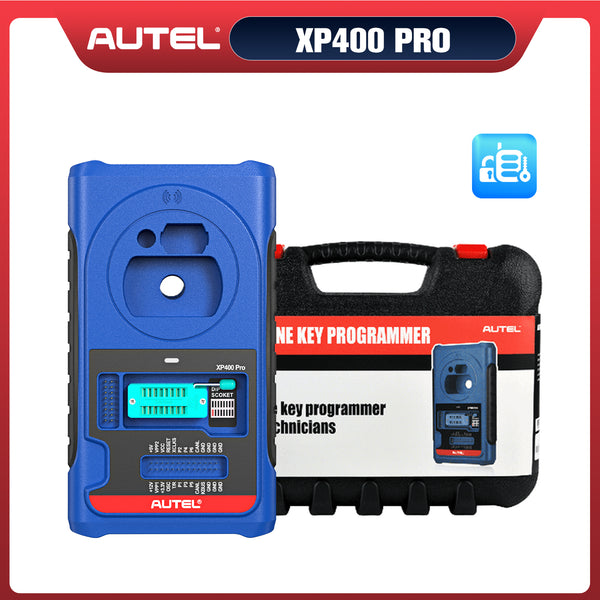
Disassembly and key reading of these modules typically requires professional key programming tools + EEPROM/MCU programming equipment (such as Autel IM series with XP400 Pro).

Why Split Read Immobilizer Modules?
Disassembling and reading the anti-theft module is an essential operation in modern key programming. It can safely and reliably obtain key anti-theft data, ensure the success rate of key matching, and at the same time avoid module damage or locking.
1. Restricted OBD Access
Many modern vehicles' ECM/BCM/IMMO modules have security protections for anti-theft data. OBD can only read partial diagnostic information, not the underlying anti-theft data at once. Disassembly and reading allows direct access to the module's internal EEPROM/MCU/Flash to obtain critical information needed for key matching.
2. High Risk of Full Read
Reading the entire module's storage area at once can easily trigger anti-theft locking or security mechanisms. In high-security vehicles, a failed Full Read may result in module locking or data corruption. Disassembly and reading reduces operational risks through partitioned, step-by-step reading.
3. Improved Key Programming Success Rate
Disassembly and reading can only obtain data blocks directly related to key matching. This avoids reading redundant or sensitive data, improving key matching and write success rates. This is especially important for high-risk operations such as losing all keys or replacing modules.
4. Supports multiple brands and vehicle models
Different brands have different storage structures for their anti-theft modules. Disassembly and reading allow technicians to operate flexibly according to module type and vehicle model. Common modules requiring disassembly and reading include: ECM, BCM, IMMO Box, KVM/FEM/BDC (BMW), ESL/ELV (Mercedes), etc.
5. Prevents data loss and corruption
Partitioned reading of critical data from the anti-theft module minimizes interference with normal module operation. Data can be backed up beforehand to prevent module unavailability due to write failures or accidental operations.

Disassembly and reading support a wide range of anti-theft modules
How to Split Read Immobilizer Modules Step by Step
Step 1: Confirm Vehicle and Anti-theft Module Type
1. Determine if disassembly/reading is necessary based on vehicle model, year, brand, and anti-theft system architecture.
2. Confirm Target Module Type
3. Identify Module Memory Type: EEPROM or MCU
Step 2: Power Off and Remove Anti-theft Module
- Disconnect the vehicle battery to avoid short circuits or module damage.
- Remove the ECM / BCM modules according to the repair manual's instructions.
- Inspect the module housing and pins to prevent physical damage.
Step 3: Connect the Key Programming Tool and Programming Device
- Use a key programming tool (e.g., IM508S Pro / IM608S II)
- Paired with an EEPROM/MCU programmer (e.g., Autel XP400 Pro)
- Connect the power supply, data, and ground wires as prompted by the software.

Connect the Key Programming Tool
Step 4: Perform Key Programming Operation
- Select the corresponding vehicle model and module in the tool.
- First read the EEPROM
- Save and back up the data immediately after reading.
- generate a new key / Adapt to original key
- After completion, read and verify again to ensure data consistency
Step 5: Reinstall module and test functionality
Reinstall the module back into the vehicle. Connect power and test: Ignition start, Anti-theft indicator light status and Is the new key functioning properly?
Autel Tools That Support Split Read Immobilizer Modules
When performing disassembly and reading of anti-theft modules, simple key programming functionality is insufficient. Disassembly and reading require access to the underlying data of the module's internal storage chips (such as EEPROM, MCU, or Flash), necessitating the combined use of a key programming host and a specialized programmer.
Autel's product line offers multiple tools that support this disassembly and reading process and work seamlessly together to complete the entire key programming process.
1. Autel IM508S Pro
The Autel IM508S Pro is an entry-level to intermediate-level key programming tool, suitable for everyday key matching and remote key matching operations. It doesn't directly read EEPROM/MCU data, but can act as a master terminal to work in conjunction with a programmer.
Main Supported Functions:
- Reading module data in conjunction with a programmer (such as XP400 Pro)
- Identifying vehicle model and calling the corresponding disassembly and reading process
- Parsing the read data and generating key matching information
Suitable Scenarios: Disassembly and reading assistance and key programming for general vehicle models
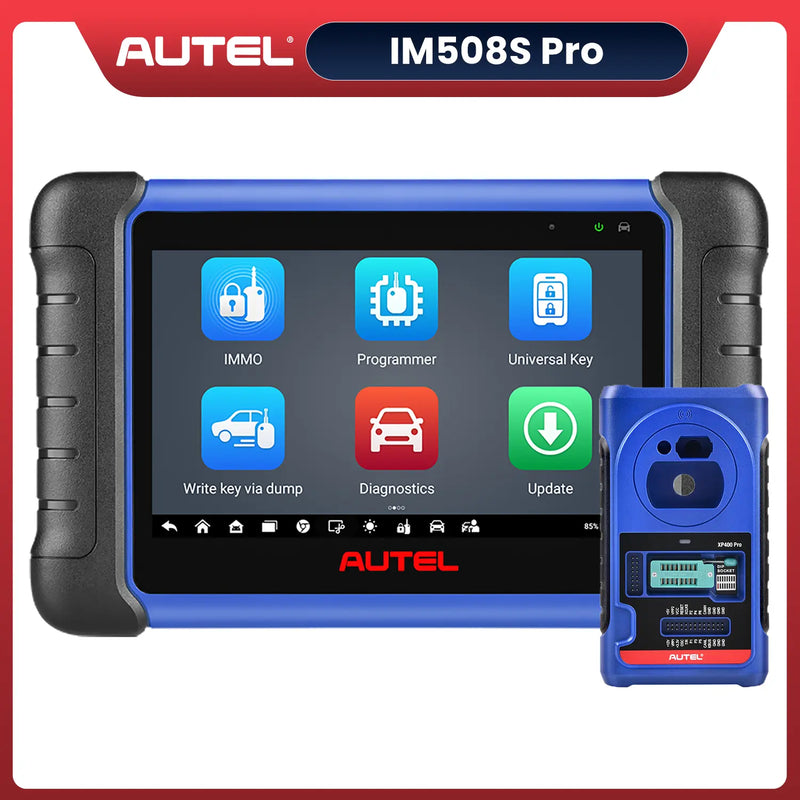
Autel MaxiIM IM508S Pro
Universal Key Generator | Key Fob Programmer Immobilizer Tool | Transponder

Autel MaxiIM IM608S II
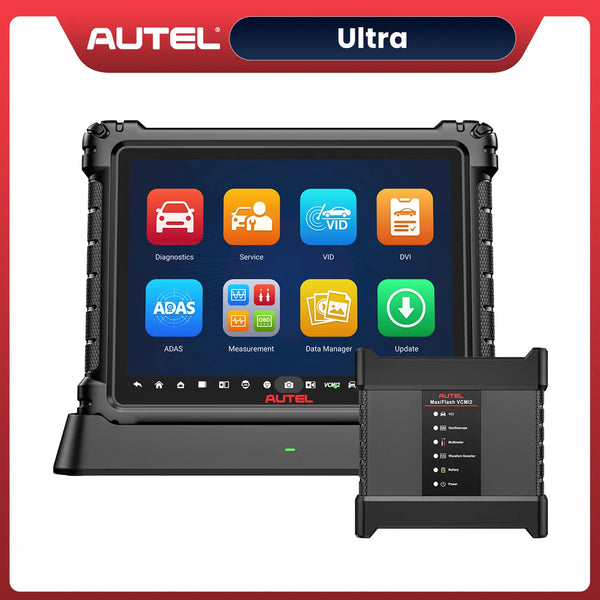
[2 Years Free Update] Same as IM608 PRO II | Automotive All-In-One Key Programming Tool, Top IMMO Functions, Advanced ECU Coding, No IP Limitation
2. Autel IM608S II/IM608 Pro II
The Autel IM608S II is Autel's mid-to-high-end all-in-one key programming and diagnostic host, offering more comprehensive functionality. When used with a professional programmer, it better handles complex situations during the disassembly and reading process, especially with more mature support for multiple brands and modules.
Advantages and Features:
- Supports a wider range of vehicle models and module types
- Automatically detects module permissions and disassembly/reading process before reading
- Stronger data parsing capabilities, suitable for complex anti-theft systems
- Supports Boot/Bench reading prompts and operation guidance
Suitable Scenarios: Disassembly and reading tasks with high technical requirements, diverse vehicle models, and complex modules.
Conlusion
In modern car key programming, split reading is not only a technological choice, but also a necessary means to ensure security, success, and professionalism. As the security levels of car anti-theft systems continue to improve, the traditional one-step OBD key programming method is no longer suitable for all vehicle models.
Split Read, by removing the anti-theft module and reading critical data, allows technicians to securely and reliably obtain the information needed for key matching.


Leave a comment