




![IM608 PRO II Full Kit<br>[2-Year Free Update]](http://www.obdprice.com/cdn/shop/files/Autel_IM608S_II_Full_Kit_1_600x600.webp?v=1755662636)

![IM508S PRO<br>[2-Year Free Update]](http://www.obdprice.com/cdn/shop/files/Autel_MaxiIM_IM508S_Pro_600x600.webp?v=1755662755)
![IM508S<br>[2-Year Free Update]](http://www.obdprice.com/cdn/shop/files/AUTEL_MAXIIM_IM508S_600x600.webp?v=1755662895)


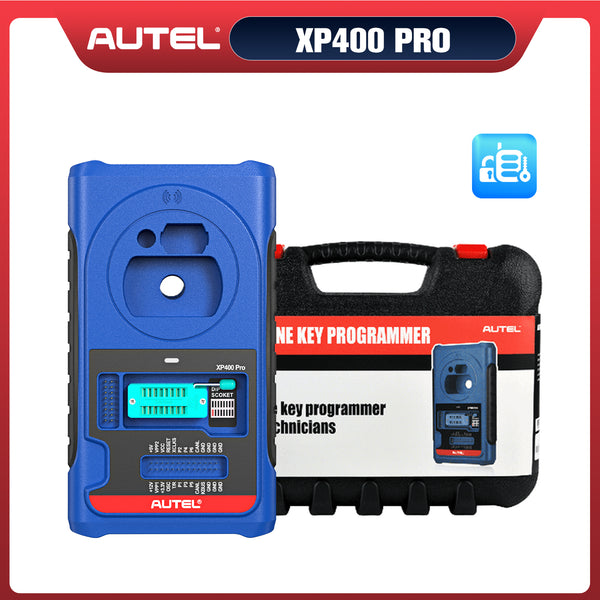





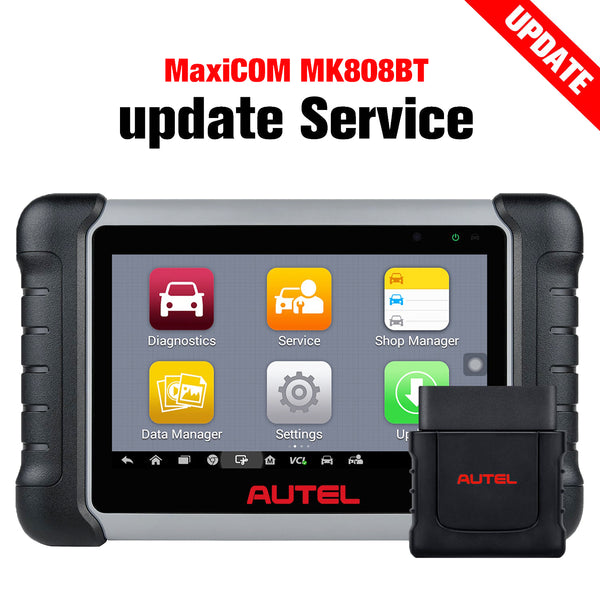
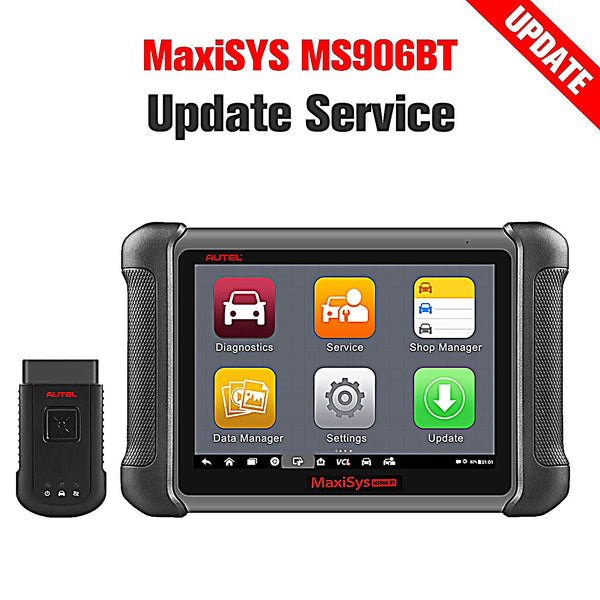
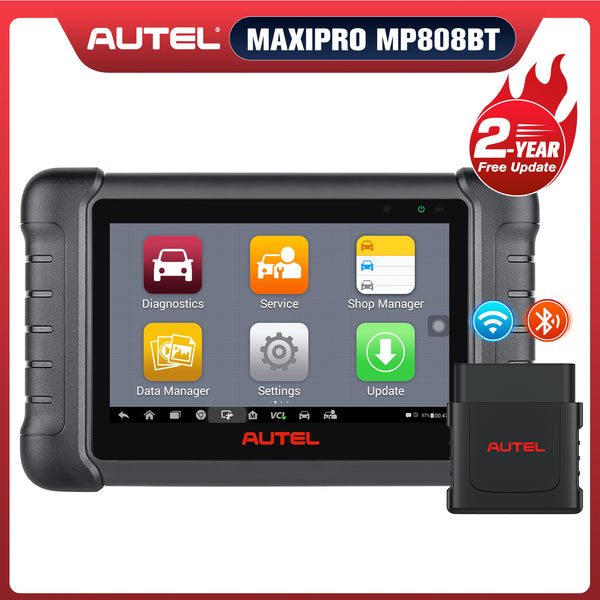

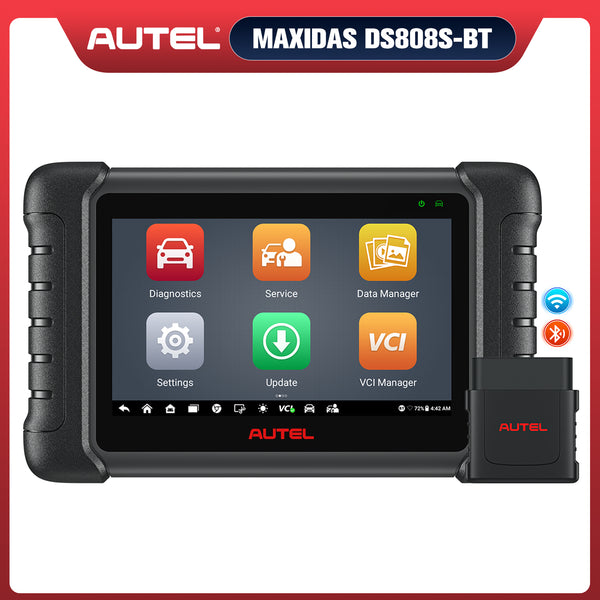


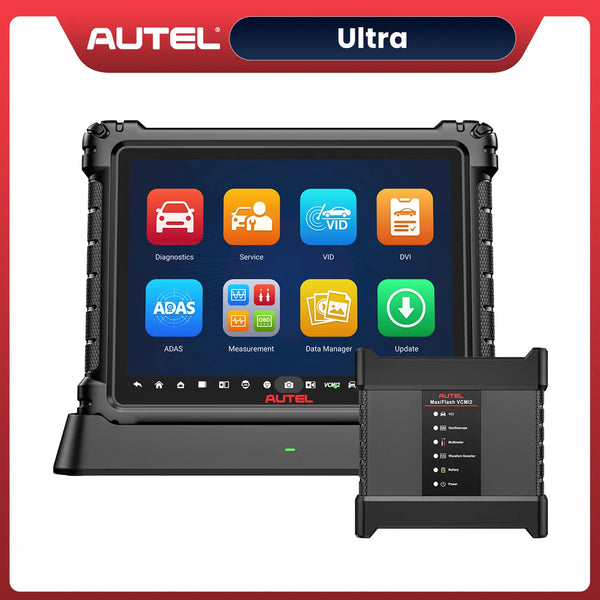
🔧 ABS Diagnosis at a Glance
An ABS warning light does not always mean a failed sensor. An Autel scanner can help you scan the ABS module, read fault codes, check live data, and perform active tests to identify the root cause and verify the repair before clearing the warning light.
Introduction
Have you ever been puzzled by the ABS light suddenly coming on in your dashboard? What does the ABS light mean? What are the common causes of the ABS light coming on? We’ve covered some of these points in previous articles. So, how exactly should you handle this issue?
An illuminated ABS warning light does not always mean you need to replace a wheel speed sensor or other component. The first step is finding out what is actually causing the problem. With an Autel scanner, you can access the ABS module, read diagnostic trouble codes, view live data, and verify whether a repair has solved the issue.
This guide will provide a detailed explanation of what the ABS warning light is, what the Autel scanner can do to address ABS issues, and how to diagnose ABS problems, among other topics. It will ensure that when the ABS warning light comes on, you won’t be at a loss for what to do and will know exactly how to handle the situation properly.

Understanding the ABS Warning Light
When troubleshooting issues with a car’s ABS system, we first need to understand what the ABS warning light means. This is the first step in resolving the problem—that is, “knowing your enemy.”
ABS is an important active safety system in automobiles. Its primary function is to prevent the wheels from locking up completely and stopping rotation when you brake suddenly. The ABS warning light is the malfunction indicator for the “Anti-lock Braking System” (ABS). If it remains lit after the vehicle is started, it indicates that the system may have a malfunction and requires your attention.
If you notice that the ABS light stays on while driving, it means the system has detected a malfunction and has automatically disabled the ABS function as a safety measure. In this case, the brakes will still work normally, but the anti-lock braking function will be lost. During emergency braking, the wheels may lock up, significantly increasing the risk of the vehicle skidding or losing control, especially on wet or icy roads.
However, there are many possible causes for the ABS warning light to come on, and the specific cause cannot be determined directly from the instrument panel. That is why an Autel scanner is needed for diagnosis—to further identify the cause of the malfunction through fault codes, dynamic data, and other information, thereby facilitating subsequent repairs.
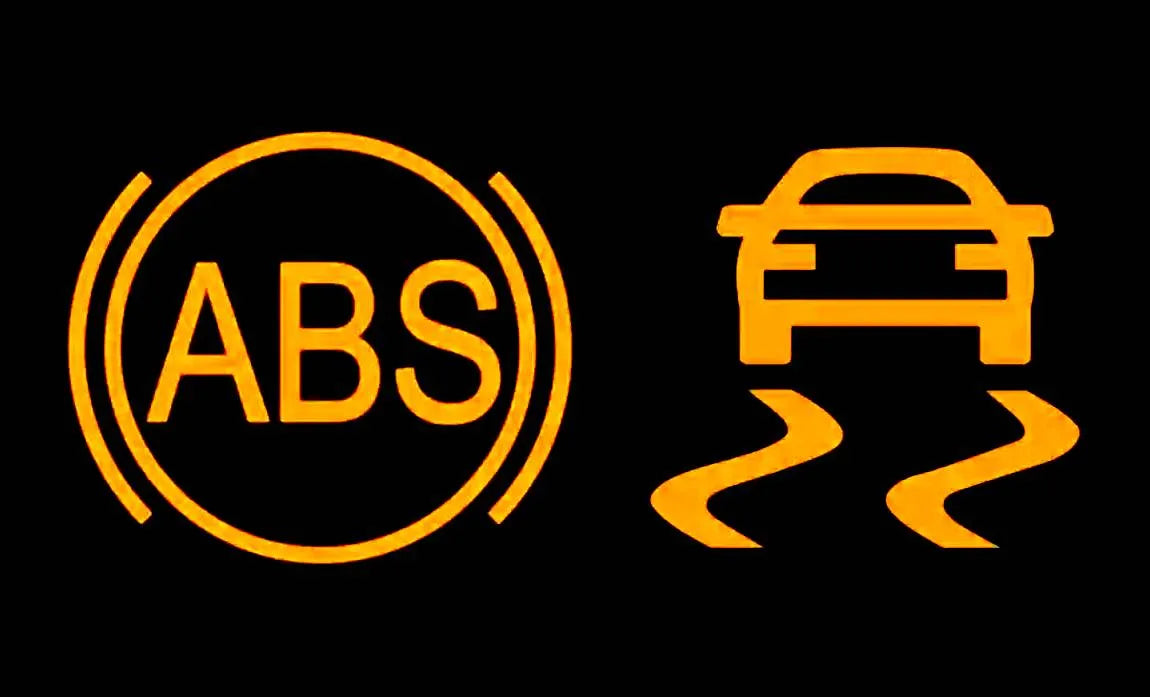
ABS Light Logo
What Can an Autel Scanner Do for ABS Diagnosis?
Access the ABS Control Module
An Autel scanner can communicate directly with the vehicle’s ABS control module, allowing you to diagnose the system beyond what a basic OBD2 scanner can provide. After connecting the scanner to the vehicle, select the correct vehicle information and enter the ABS or Anti-lock Brake System menu.
Once connected, the scanner will establish communication with the ABS module and provide access to its diagnostic functions. The exact menu names and available functions may vary depending on the vehicle model and Autel scanner.
Tip: If the scanner cannot communicate with the ABS module, first verify the vehicle selection, ignition status, and battery voltage before continuing with the diagnosis.
Read ABS Trouble Codes
The most basic function of an Autel scanner or diagnostic tools from other brands is to read ABS trouble codes. Autel scanners not only read the codes but also explain their specific meanings, saving you the time it would take to look up the explanations yourself.
View ABS Live Data
After accessing the ABS control module, you can use an Autel scanner to view real-time data from the ABS system. This is especially useful when a fault code alone cannot identify the exact cause of the problem.
Depending on the vehicle, the scanner may display data such as individual wheel speeds, vehicle speed, brake pressure, and sensor status. Comparing the readings from each wheel can help identify an abnormal or inconsistent signal.
For example, if three wheel speed sensors show similar readings while one remains at 0 mph during driving, that sensor or its related wiring may require further inspection.
Live data can therefore help technicians confirm a suspected ABS fault before replacing components, reducing unnecessary parts replacement.
Perform Active Test
All Autel tablet scanners support active testing, but the scope of active testing varies by vehicle model. Whether your vehicle is supported will depend on its make, model, and year, among other factors.
The Autel scanner's active testing feature helps pinpoint the exact location of a fault. By performing tests such as wheel speed sensor tests, ABS pump/solenoid tests, and other actuator tests, you can check for damage to these components and accurately identify the faulty part.

Autel Scanner Supports 3000+ Active Tests
How to Diagnose an ABS Problem with an Autel Scanner
Now that you understand what an ABS warning light is and what the Autel scanner can do for the ABS system, let’s move on to the most important part: how to use the Autel scanner to diagnose ABS issues. Here are the specific steps:
Step 1: Connect the Autel Scanner
Connect the main cable to the vehicle's OBD port to establish a connection between the Autel scanner and the vehicle's ECU. Some Autel scanners equipped with a VCI module support wireless Bluetooth connectivity.
Turn on the ignition switch, tap “Diagnostics” on the screen to enter the menu, and select the vehicle’s make, model, year, and other information. Some professional Autel scanners can automatically detect vehicle information.
Step 2: Perform an ABS System Scan
Once the ABS system is selected, start a scan to check for diagnostic trouble codes stored in the ABS control module. The Autel scanner will communicate with the module and identify any detected faults.
Allow the scan to complete, then review the displayed ABS codes and their status. Active, stored, or intermittent faults may require different diagnostic approaches, so record the codes before moving on to the next step.
Note: The exact scan process and menu names may vary between Autel scanner models and vehicle manufacturers.
Step 3: Read and Record ABS Fault Codes
After scanning the ABS system, you will see several trouble codes. For example, U0121 indicates a communication or internal fault, while C0121 indicates a component or circuit fault, and so on. However, looking at the trouble codes alone is not enough to pinpoint the exact location of the fault; they merely indicate where the problem might be.
You shouldn’t replace a part just because of a single fault code, as there are many possible causes for a fault code. For example, a wheel speed sensor code could be caused by a faulty sensor, a wiring issue, corrosion at the connector, a problem with the ring, or even a wheel bearing issue.
Step 4: Check ABS Live Data
After reading the ABS fault codes, use the Autel scanner to check live data from the ABS module. This allows you to see how different sensors and components are working in real time.
Depending on the vehicle, commonly available ABS live data may include:
| Live Data | What to Check |
| Wheel Speed | Compare the speed readings from each wheel |
| Vehicle Speed | Check whether the vehicle speed signal is consistent |
| Brake Pressure | Monitor brake pressure readings when supported |
| Steering Angle | Check whether the steering angle data changes correctly |
| ABS Sensor Status | Check whether the sensor is reporting a valid signal |
For example, if three wheel speed sensors show similar readings while one sensor consistently reports a significantly different value, further inspection of that sensor, its wiring, or the related wheel bearing may be necessary.
Live data can help confirm whether a fault code reflects an actual problem and prevent unnecessary parts replacement.
Step 5: Perform an Active Test
After checking the live data, an Active Test can provide another way to verify ABS-related components. This function allows the Autel scanner to send commands to supported components and monitor their response.
Depending on the vehicle and scanner model, available tests may include:
- ABS pump activation
- Solenoid valve testing
- Other ABS actuator tests
Follow the instructions displayed on the scanner and compare the component's response with the expected result. If a component does not respond correctly, further inspection of the component, wiring, or control circuit may be required.
Note:Note: Active Test functions vary by vehicle, so not every ABS system will support the same tests.

ABS System Active Tests
Step 6: Repair the Problem and Rescan
Once the specific cause of the malfunction has been identified, perform the appropriate repairs. After the repairs are complete, clear the fault codes and rescan the system to confirm that the fault codes no longer appear; this completes the full diagnosis and repair of the ABS system.
Common ABS Problems You Can Diagnose with an Autel Scanner
Using an Autel scanner (like the MK808Z or similar series) allows you to go beyond a simple "ABS Fault" warning. It can pinpoint the exact component causing the issue through specific diagnostic trouble codes (DTCs) and live data. Here are the most common problems you can diagnose and confirm with an Autel scanner.
-
Faulty or dirty wheel speed sensor (most common)
The Autel scanner will tell you exactly which wheel is affected (e.g., left front, right rear), so you don’t have to guess one by one. In addition, you can check the data stream: while driving, compare the wheel speed data for all four wheels—whichever shows “0” or fluctuates erratically is the one with the problem.
-
Faults in the ABS pump, motor, or relay circuit
These types of faults typically trigger codes such as “motor circuit open” or “relay fault.” Advanced Autel diagnostic tools can also actively drive the ABS pump to operate, allowing you to determine whether the pump is working by listening for sound.

Bad ABS Module
-
Loss of communication or internal failure in the ABS control module
Common codes include U0121 (loss of communication with the engine control unit) or C0243 (internal module failure). Diagnostic tools can confirm whether the module itself is unresponsive.
-
Clearing “Historical False Fault Codes”
Occasional issues, such as a low battery, can result in a backlog of old codes. The Autel scanner can clear these with a single button press, helping you distinguish between current, genuine faults and “old issues.”
-
ABS System Bleeding (Required After Pump Replacement)
If you’ve replaced the ABS pump or disassembled the lines, the Autel diagnostic tool can perform a proactive bleeding procedure to completely remove air from the ABS pump—something that cannot be achieved by simply pumping the brake pedal.
In short: The most practical feature of Autel is that it directly tells you which wheel’s sensor is faulty, and it can also help you perform pump action tests and ABS bleeding.
Which Autel Scanner Is Best for ABS Diagnosis?
The best Autel scanner for ABS diagnosis depends on your vehicle coverage needs and how advanced your diagnostic work is. For most ABS troubleshooting tasks, a scanner that supports all-system diagnostics, ABS code reading, live data, and active tests is a good starting point.
| Autel Scanner | Best For | ABS Diagnosis |
| 808 Series | DIY users and home garages | ABS codes, live data, active tests |
| 900 Series | Advanced DIY users and small workshops | ABS codes, live data, active tests, broader diagnostics |
| MaxiSys MS906 Series | Professional technicians | Advanced ABS diagnostics and active tests |
| MaxiSys MS909 Series | Professional workshops | Advanced diagnostics, live data, active tests, coding and programming |
The MK808Z is suitable for basic ABS diagnosis, while the 900 series offers broader diagnostic capabilities. For professional workshops, MaxiSys models such as the MS906 and MS909 provide more advanced functions.
When choosing an Autel scanner, focus on ABS code reading, live data, active tests, and vehicle coverage rather than simply choosing the most expensive model.
Final Thoughts
Diagnosing an ABS warning light is more effective when you identify the underlying fault instead of simply clearing the light. With an Autel scanner, you can read ABS codes, check live data, and perform supported active tests to narrow down the problem and verify repairs.


