




![IM608 PRO II Full Kit<br>[2-Year Free Update]](http://www.obdprice.com/cdn/shop/files/Autel_IM608S_II_Full_Kit_1_600x600.webp?v=1755662636)

![IM508S PRO<br>[2-Year Free Update]](http://www.obdprice.com/cdn/shop/files/Autel_MaxiIM_IM508S_Pro_600x600.webp?v=1755662755)
![IM508S<br>[2-Year Free Update]](http://www.obdprice.com/cdn/shop/files/AUTEL_MAXIIM_IM508S_600x600.webp?v=1755662895)







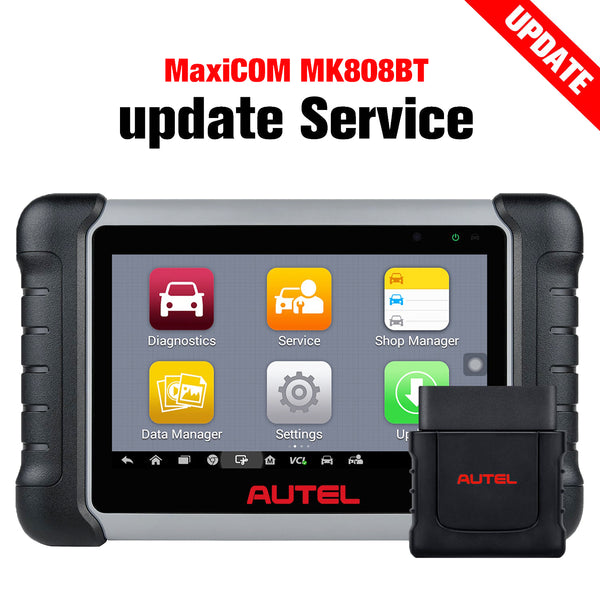



A P0327 trouble code can be frustrating because the code points toward the knock sensor circuit, but the sensor itself is not always the problem. A damaged wire, poor connector contact, short to ground, incorrect sensor installation, or an electrical problem can also cause the ECM to detect an abnormally low signal.
In this guide, we'll focus on how to diagnose P0327 step by step using the Autel MK808BT PRO, helping you find the actual cause instead of replacing parts unnecessarily.

What Does P0327 Mean?
P0327 is a generic OBD-II trouble code indicating Knock Sensor 1 Circuit Low Input. In simple terms, the engine control module (ECM) is detecting a knock-sensor signal that is lower than the expected range.
If you need more information about the meaning, symptoms, and common causes of P0327, see our detailed guide on P0327 trouble code diagnosis. This article focuses specifically on the practical diagnostic process using the Autel MK808BT PRO.
Common Symptoms
Depending on the vehicle, P0327 may be accompanied by a Check Engine Light, reduced engine performance, hesitation, poor fuel economy, or abnormal engine noise. However, some vehicles may show very few noticeable symptoms. For this reason, don't rely on symptoms alone. A proper scan and circuit diagnosis are much more reliable.
Common Causes of P0327
P0327 can result from a faulty knock sensor, damaged wiring, poor connector contact, a shorted circuit, incorrect sensor installation, or, less commonly, an ECM-related problem.
We've already covered the common causes and symptoms of P0327 in detail in our previous guide, so this article will concentrate on the diagnostic workflow with the Autel MK808BT PRO.
Knock Sensor and Wiring Problems
The knock sensor is only one part of the circuit. A damaged harness or corroded connector can produce the same low-input condition as a failed sensor. That's why the best approach is to combine Autel scan data with physical inspection and electrical testing. Don't replace the sensor simply because P0327 appears on the screen.

Knock Sensor Harness Issues
Why Use the Autel MK808BT PRO?
The Autel MK808BT PRO is well suited to this type of diagnostic work because it allows you to move beyond simply reading and clearing DTCs. Depending on vehicle coverage, you can use the scanner to access the engine control module, review trouble codes, examine live data, view data graphically, and perform available diagnostic functions.
For P0327, this matters because the goal isn't simply to make the Check Engine Light disappear. The real goal is to determine why the ECM is receiving a low knock-sensor signal.
Step 1 – Connect the Autel MK808BT PRO
Start by parking the vehicle safely and switching the ignition off. Connect the MK808BT PRO to the vehicle's OBD-II diagnostic connector, then turn the ignition on.
Launch the appropriate diagnostic function and allow the scanner to identify the vehicle. If automatic VIN identification is available, verify the detected VIN and vehicle information before continuing.
Once the correct vehicle has been selected, enter the Engine/ECM system. This ensures that you're communicating with the module responsible for monitoring the knock-sensor circuit.
Step 2 – Read P0327 and Other Codes
Select Read Codes and record all stored, pending, and manufacturer-specific codes before clearing anything.
If P0327 appears by itself, concentrate on the knock-sensor circuit. If other engine codes are present, don't ignore them. Misfire, fuel, ignition, or other engine-related faults may provide additional clues about why the ECM detected an abnormal knock-sensor signal.
Save Freeze Frame Data
If freeze-frame information is available, save it before clearing the code. Look for parameters such as engine RPM, coolant temperature, engine load, vehicle speed, and other available operating conditions.
This information tells you what the engine was doing when the ECM detected the fault. It can be particularly useful if P0327 is intermittent and does not immediately return during testing.

Check the freeze frame using the Autel MK808BT Pro
Step 3 – Check Live Data
Next, open Live Data on the MK808BT PRO and look for parameters associated with the knock sensor.
Depending on the vehicle manufacturer, you may see parameters such as knock sensor voltage, knock feedback, knock retard, or other manufacturer-specific values. Not every vehicle exposes the same information through the diagnostic connector.
Compare Knock Sensor Data
If the vehicle provides multiple knock-sensor parameters, compare the affected sensor with the other available sensor channels.
An abnormal fixed value, missing signal, or reading that behaves differently from the other sensor can provide a useful diagnostic clue. However, don't apply a universal voltage value to every vehicle. Always compare the scanner data with the manufacturer's service specifications.
Step 4 – Inspect the Knock Sensor
If the scan data points toward the knock-sensor circuit, turn the ignition off and inspect the sensor physically.
Check for visible damage, contamination, loose mounting, damaged connectors, or signs of oil or coolant intrusion. Also check whether the sensor has been installed correctly.
The knock sensor relies on detecting engine vibration, so its mounting condition can affect its operation. A sensor that is mechanically damaged or improperly installed may produce unreliable readings even when its electrical circuit appears normal.

Inspect the Knock Sensor
Step 5 – Test the Wiring and Connector
Disconnect the knock-sensor connector and inspect the terminals carefully. Look for corrosion, bent pins, loose terminals, damaged seals, or evidence of water or oil contamination.
Then inspect the wiring between the sensor and ECM. Pay particular attention to areas where the harness may rub against the engine, exhaust components, brackets, or other moving parts.
Using the vehicle's wiring diagram and service specifications, perform the appropriate continuity and short-circuit tests with a multimeter. This step is important because a wiring fault can easily be mistaken for a defective knock sensor.
Step 6 – Test the Knock Sensor
If the wiring and connector pass inspection, test the knock sensor itself according to the manufacturer's procedure.
Depending on the vehicle, testing may involve resistance measurements, signal output testing, or checking the circuit's reference or bias voltage. There is no single resistance or voltage value that applies to every knock-sensor system.
Use the vehicle-specific service information to determine the correct specifications. If the measured value is outside the specified range, the sensor may need to be replaced.

Test Knock Sensor
Step 7 – Repair and Verify
Once the actual cause has been confirmed, repair the faulty wiring, connector, sensor, or other affected component.
Reconnect everything securely, then use the Autel MK808BT PRO to clear the stored DTC. Start the engine and monitor the relevant live-data parameters again.
If the manufacturer specifies a particular drive cycle or verification procedure, follow it. After the test drive, perform another scan to confirm that P0327 has not returned.
Common Diagnostic Mistakes
The most common mistake is replacing the knock sensor immediately after seeing P0327. Because the code identifies a low circuit input, the sensor is only one possible cause.
Another mistake is clearing the DTC before recording freeze-frame information. Doing so can remove useful diagnostic evidence and make an intermittent fault harder to reproduce.
Finally, avoid judging live-data values using generic numbers found online. Knock-sensor systems vary between manufacturers, so vehicle-specific specifications should always take priority.
P0327 vs Related Knock Sensor Codes
| Code | General Meaning |
|---|---|
| P0327 | Knock Sensor 1 Circuit Low Input |
| P0328 | Knock Sensor 1 Circuit High Input |
| P0332 | Knock Sensor 2 Circuit Low Input |
| P0333 | Knock Sensor 2 Circuit High Input |
The exact sensor location and bank designation depend on the engine configuration and manufacturer.
Why the MK808BT PRO Is a Good Choice for P0327 Diagnosis
For this diagnostic procedure, the Autel MK808BT PRO offers a practical combination of DTC scanning and diagnostic data functions. Instead of using a scanner only to read the Check Engine Light, you can use it as part of a broader workflow that combines DTCs, freeze-frame data, live data, physical inspection, and electrical testing.
That combination is what makes the diagnostic process more reliable. The scanner gives you the information; your testing determines what that information actually means.
Final Thoughts
Diagnosing P0327 with the Autel MK808BT PRO should be approached as a circuit diagnosis rather than a simple sensor replacement.
Start by scanning the ECM and recording the available data. Then examine live data, inspect the knock sensor and connector, test the wiring, and finally verify the sensor itself according to the manufacturer's specifications.
The key principle is simple: don't replace the part until you've confirmed the fault. Using the MK808BT PRO together with proper vehicle-specific service information can help you identify the real cause of P0327 and avoid unnecessary repairs.
FAQs
1. Can the Autel MK808BT PRO diagnose P0327?
Yes. The MK808BT PRO can read engine-related diagnostic trouble codes and, depending on vehicle coverage, provide access to live data and other diagnostic functions useful for investigating P0327.
2. Does P0327 always mean the knock sensor is bad?
No. A damaged wire, poor connector, short circuit, incorrect installation, or other circuit problem can also cause P0327.
3. Can I clear P0327 with the MK808BT PRO?
Yes. After recording the diagnostic information and completing the necessary repairs, the MK808BT PRO can be used to clear the stored DTC.
4. Should I check the wiring before replacing the knock sensor?
Yes. Checking the connector and wiring first can prevent you from replacing a sensor that is actually functioning correctly.
5. Do all vehicles use the same knock-sensor specifications?
No. Sensor construction, wiring, resistance, signal characteristics, and diagnostic procedures vary between manufacturers. Always use the specifications for the vehicle you're working on.


