





![IM608 PRO II Full Kit<br>[2-Year Free Update]](http://www.obdprice.com/cdn/shop/files/Autel_IM608S_II_Full_Kit_1_600x600.webp?v=1755662636)

![IM508S PRO<br>[2-Year Free Update]](http://www.obdprice.com/cdn/shop/files/Autel_MaxiIM_IM508S_Pro_600x600.webp?v=1755662755)
![IM508S<br>[2-Year Free Update]](http://www.obdprice.com/cdn/shop/files/AUTEL_MAXIIM_IM508S_600x600.webp?v=1755662895)






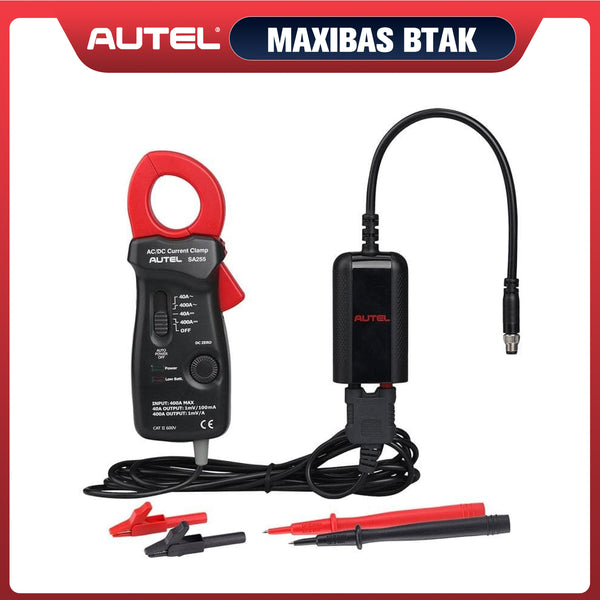






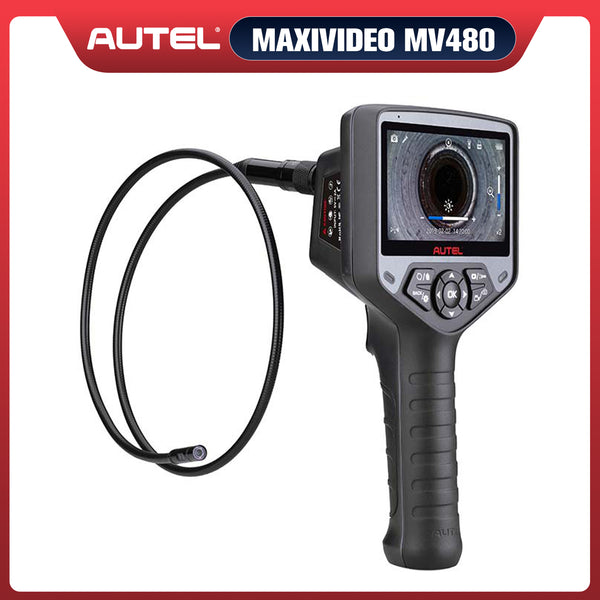
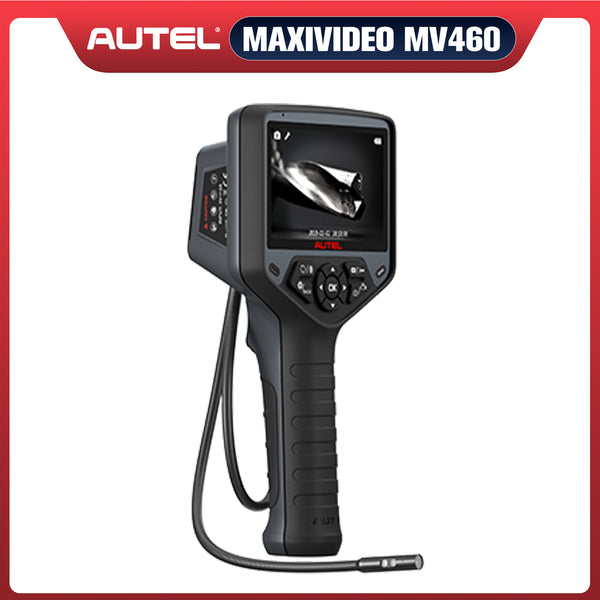
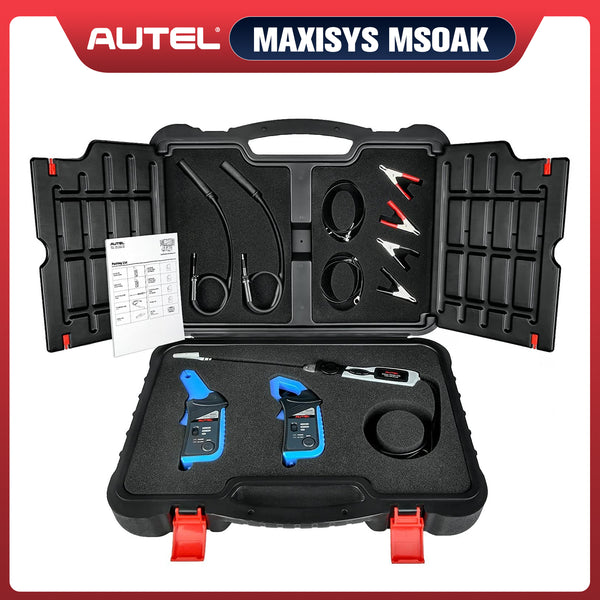





Modern cars are generally equipped with an Evaporative Emissions Control System (EVAP) to capture fuel vapor and reduce emissions. If a serious leak occurs in the system, the vehicle will trigger a P0455 fault code. This article provides a comprehensive analysis of P0455, covering its symptoms, causes, diagnostic methods, and repair solutions, and introduces how to quickly resolve the problem using Autel automotive diagnostic tools.

Identifying the P0455 Fault Code
P0455 indicates a major leak in the EVAP system, typically illuminating the engine malfunction indicator lamp (MIL). This fault code applies to all models equipped with an OBD-II interface, including Toyota, Ford, Honda, Chevrolet, and others.
Typical symptoms include:
- Engine malfunction indicator lamp illuminated
- Gas smell in the fuel tank or inside the vehicle
- Abnormal refueling or premature fuel pump stoppage
- Decreased fuel efficiency
- Failed emissions tests
Reminder: Timely diagnosis of P0455 can prevent fuel waste and emissions failure. Using Autel MaxiSys Ultra or MK808Z, fault codes and real-time EVAP system data can be easily read to quickly locate the leak.
EVAP System Function and Key Components
The core function of the EVAP system is to capture and circulate fuel vapor, preventing it from being directly released into the air. The main components of the system include:
- Fuel tank cap: Seals the fuel tank, preventing vapor leakage.
- Activated carbon canister: Absorbs and stores vapor.
- Lines and valves: Transport vapor back to the engine for combustion.
Without an EVAP system, fuel vapor would be directly released into the air, polluting the environment and potentially causing the vehicle to fail emissions tests.

Understanding EVAP System
Common Causes of P0455 Fault Code
- Loose or damaged fuel tank cap: The most common cause, accounting for 40-50% of cases.
- Cracked or aged EVAP lines: Causes a rapid drop in system pressure.
- Stuck vent valve/purge valve: Fails to maintain pressure.
- Fuel tank or filler neck leak: Caused by impact or corrosion.
- Other component malfunctions: Such as abnormal pressure sensors or activated carbon canisters.
Using Autel automotive diagnostic tools can quickly detect pressure changes and valve status to determine the specific problem.

A faulty fuel cap caused the P0445 error code to appear.
Safety and Driving Advice
The P0455 fault code usually does not immediately affect engine performance, but fuel vapor leakage poses a potential fire risk. Therefore, if the engine malfunction light comes on and there is no smell of gasoline, you can drive to a repair shop for a short distance.
However, if you smell gasoline or experience abnormal power, you should stop immediately and avoid prolonged delays to prevent the leakage problem from worsening.
How to Quickly Locate Problems Using Autel Diagnostic Tools
The Autel MaxiSys series and Autel MK808 offer full-featured OBD-II diagnostic capabilities:
- Read P0455 and related fault codes
- Monitor EVAP system pressure in real time
- Check the condition of the fuel tank cap, lines, and valves
- Use the pressure test function to help locate hidden leaks
Autel tools are easy to use and require no complex equipment for professional-level diagnostics.
Common Repair Methods and Cost Reference
| Repair Type | Cost Range | Time | Description |
| Tighten or Replace Fuel Tank Cap | <$20 | 5 minutes | Most common and quick |
| Replace Fuel Filler Neck/Ventilator | $120–$300 + Labor | 30–60 minutes | Aftermarket or used parts available |
| Repairing EVAP hoses | Slightly above neck replacement | 15–45 minutes | Rubber hoses are easy to repair, rigid hoses are slightly more difficult |
| Replace Fuel Tank | $4000–$4500 | 1.5–3 hours | Only when the fuel tank is damaged |
Most problems can be resolved within 1 hour, costing between $20 and $400.
Vehicle-Specific Considerations
- Honda/Acura: Common pinhole leaks in the fuel filler neck or ventilator
- Toyota/Lexus: Occasional cracks in the piping around the activated carbon canister
- Ford/Chevrolet: Fuel tank cap is prone to problems after long-term use
- Older Nissan models: Leaks may occur near the purge valve or ventilator solenoid valve
The location of EVAP components may vary depending on the model year and engine type. Accurate detection using Autel MaxiSys or MK808 avoids unnecessary disassembly.
Frequently Asked Questions
1. Will P0455 cause other problems?
It may trigger minor fault codes such as P0442, but will not immediately damage the engine.
2. What if it keeps recurring after repair?
Re-inspect the fuel filler cap, lines, valves, or activated carbon canister, and scan for other fault codes using Autel tools.
3. Does cold weather cause P0455?
Low temperatures can accelerate the aging of rubber seals or hardening of hoses, triggering existing problems.
4. Will P0455 clear itself?
Rarely; persistent leaks require timely repair.
Summary
The P0455 fault code indicates a serious leak in the EVAP system. Using Autel automotive diagnostic tools, problems with the fuel filler cap, lines, or valves can be quickly located, significantly reducing repair time and costs while improving emissions compliance and driving safety.
Whether you're a DIY car owner or a professional technician, the Autel MaxiSys series and MK808Z are efficient tools for diagnosing P0455 and other fault codes, making car repairs simpler, more accurate, and more economical.


