











Introduction
Winter has quietly arrived. For some regions in the northern part of the country, switching to winter tires has become an essential safety measure. So, after the switch, do you need to use TPMS sensors and tools to recalibrate the system? This article will provide specific answers based on different scenarios.
"Winter wheel sets" typically refer to a complete set of wheels (rims and tires) that already have winter tires installed. They can be purchased and mounted directly on the vehicle, saving you the hassle of repeatedly removing and reinstalling tires.
For vehicles with a direct-type TPMS, when replacing the entire set of wheels, the winter wheels must be equipped with compatible sensors in order to continue using the tire pressure monitoring system.
An indirect-type TPMS does not require in-wheel sensors, after installation, it must be calibrated according to the vehicle model's specifications. As for whether you need to purchase a TPMS tool yourself, it depends on the vehicle's operating procedures and whether the tire shop will handle the calibration.

Do You Need TPMS Sensors in Your Winter Wheel Set?
Whether you need to purchase tire pressure sensors separately depends on the specific situation. This depends not only on the location of the TPMS sensors but also directly on the type of TPMS system. Understanding direct vs. indirect TPMS helps you determine whether your winter wheel set needs sensors and whether you’ll need a TPMS tool for the swap.
| What Are You Swapping? | What Should You Do? |
|---|---|
| Winter tires on your original wheels | If your car uses direct TPMS, reuse the existing sensors if they're working. They stay with the wheels when the tires are changed. |
| Separate winter wheel set · Direct TPMS | Check whether sensors are included. If the wheels already have sensors, verify that they work and are compatible with your vehicle. If the wheels come without sensors, have a compatible set installed. |
| Separate winter wheel set · Indirect TPMS | Skip the wheel sensors. After the swap, set the tires to the recommended cold pressure and follow your owner's manual for any required TPMS calibration. |
Before you order: Ask the seller whether the wheel package includes TPMS sensors and whether any included sensors are ready for your exact year, make, and model. Once you know what’s installed, check your vehicle’s relearn procedure to see whether you’ll need a TPMS tool for the swap.
Do You Need a TPMS Tool to Swap Winter Wheels?
Once the sensor issue has been resolved, it’s time to consider the next question: Do you need a TPMS tool to install your winter wheels? The answer to this question depends on your car model, the installation method, and the tire pressure monitoring system used in the winter wheel set you purchased.
Situations Where a TPMS Tool Is Not Required
1. Vehicles Equipped with Indirect TPMS
Indirect TPMS technology relies on ABS wheel speed sensors to calculate tire pressure; there are no sensors inside the wheels. Therefore, after switching to winter wheels, simply access the in-vehicle infotainment system or press the "TPMS Reset (SET)" button on the center console. No TPMS tool is required to perform cloning or relearning functions.

2. Vehicles with Auto-Relearn or Dual-Set Memory
Some vehicles can recognize new sensors without a TPMS tool: models with automatic relearning (e.g., Tesla, BMW, Mercedes-Benz, Ford, and certain newer Toyota, Lexus, and Subaru models) will detect sensors of the correct frequency (315 MHz or 433 MHz) after about ten minutes of driving, while vehicles with a dual-set ID switching menu simply require selecting the second set via the dashboard.
3. Winter Wheel Sensors with Cloned IDs
If, when purchasing a winter wheel set, you have the dealer use a TPMS tool to clone the IDs of the original four sensors onto the new sensors in advance, the vehicle’s computer will recognize them as the same set of wheels. Then, every winter and summer, when you swap out the wheels yourself at home, you can simply install them and drive away—the tire pressure warning light won’t come on.
When a TPMS Tool Is Needed
With direct TPMS, setting up a winter wheel set can involve programming the sensors, registering their IDs with the vehicle, or both. The tool you need depends on the job.
1. Your Vehicle Requires a Tool to Learn New Sensor IDs
If your winter wheels have new sensor IDs and your vehicle can’t learn them automatically, check the TPMS relearn procedure for your model. Some vehicles require a trigger tool to activate each sensor in a specific order while the car is in relearn mode. Others require a compatible tool to register the IDs through the OBD-II port.
2. You’re Programming Blank TPMS Sensors Yourself
Blank programmable sensors need to be set up for your vehicle before use. Choose a tool that supports both the sensor model and your vehicle. Depending on the setup, you can create new IDs or copy the IDs from your original sensors. If you create new IDs, check whether the vehicle also requires a relearn. See our guide to programming TPMS sensors for the available methods.

3. You Swap Wheels at Home and Need a Relearn Each Season
Check what happens in both directions: when you install the winter wheels in fall and when you put the original wheels back on in spring. If your vehicle requires a tool-assisted relearn at each changeover, owning a compatible tool lets you finish both swaps at home. If it remembers both sets after initial setup, a tire shop can handle that first registration.
Choosing a TPMS Tool for Your Winter Wheel Swap
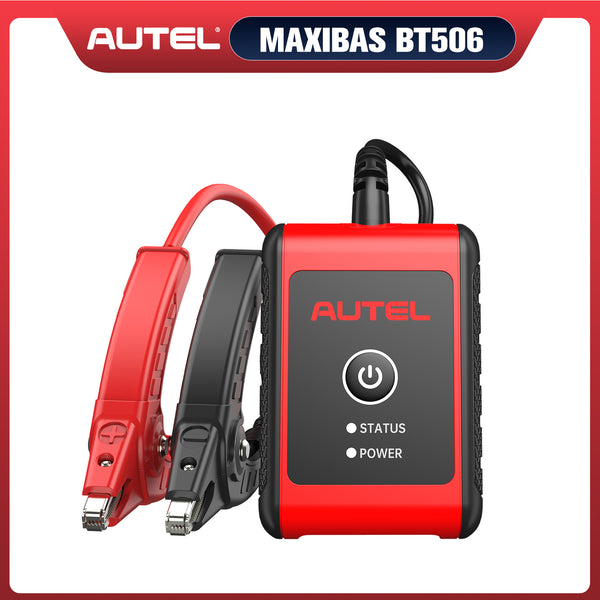
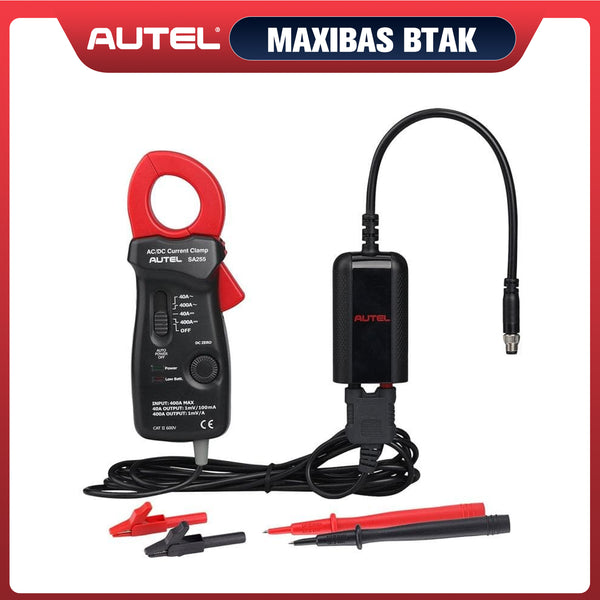
Start with your vehicle's relearn procedure. If it calls for triggering each sensor, look for sensor activation. If it calls for registering sensor IDs through the OBD-II port, look for OBD relearn support for your exact year, make, and model. If you're also setting up blank sensors, check that the tool can program the specific sensors you plan to install.
 $33 OFF
Autel MaxiTPMS TS508WF
$272.00
Wi-Fi Updates, Program MX-Sersors 315/433MHz, Relearn/Activate All Sensors
New vs. Cloned Sensor IDs for Seasonal Wheel Swaps
When you set up a second wheel set for a vehicle with direct TPMS, you can use sensors with their own IDs or program compatible sensors to copy the IDs from your original wheels. Here’s how each option plays out when you put the winter wheels on in fall and switch back in spring.
New IDs: The Vehicle Sees a Different Set
In fall, the winter wheels introduce four different sensor IDs. The car may learn them as you drive, remember them as a second set after registration, or require a manual or tool-assisted relearn. In spring, the original wheels bring back their original IDs. If the car only retains the currently registered set, you may have to relearn the original IDs again.
Cloned IDs: Both Sets Use the Same IDs
With cloned sensors, each winter sensor copies the ID of its counterpart on the original wheels. If your vehicle supports this setup and the IDs are copied correctly, the car sees familiar IDs in fall and again in spring. That can save you from registering a different set at each changeover. The winter sensors still need to be programmed before the first swap.
Before you choose: Check whether your vehicle can store two sets. If it can, separate IDs may already make routine swaps straightforward. If switching sets normally requires a relearn, ask your installer whether cloning is supported for your vehicle.
Conlusion
Whether you need sensors and TPMS tools when changing to a set of winter tires depends on the specific circumstances. If you have a indirect TPMS system, you don’t need to consider either of these options at all. However, for an direct TPMS system, you’ll need to assess whether you’ll be changing the rims, whether the sensors have been cloned, and whether your vehicle model supports automatic relearning.


