




![IM608 PRO II Full Kit<br>[2-Year Free Update]](http://www.obdprice.com/cdn/shop/files/Autel_IM608S_II_Full_Kit_1_600x600.webp?v=1755662636)

![IM508S PRO<br>[2-Year Free Update]](http://www.obdprice.com/cdn/shop/files/Autel_MaxiIM_IM508S_Pro_600x600.webp?v=1755662755)
![IM508S<br>[2-Year Free Update]](http://www.obdprice.com/cdn/shop/files/AUTEL_MAXIIM_IM508S_600x600.webp?v=1755662895)







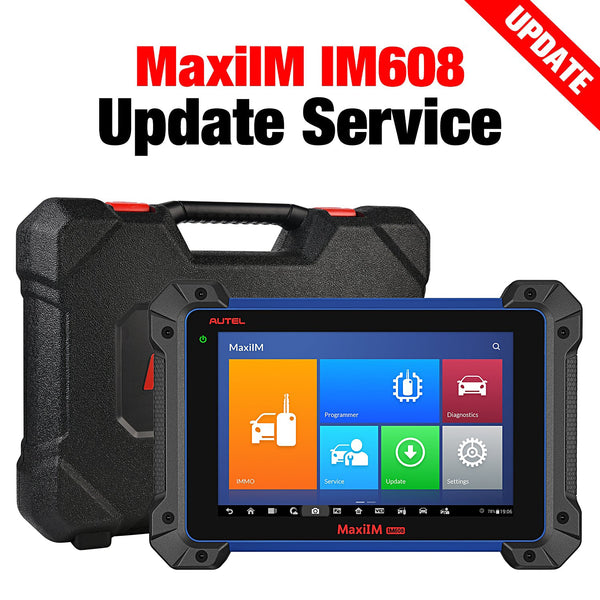
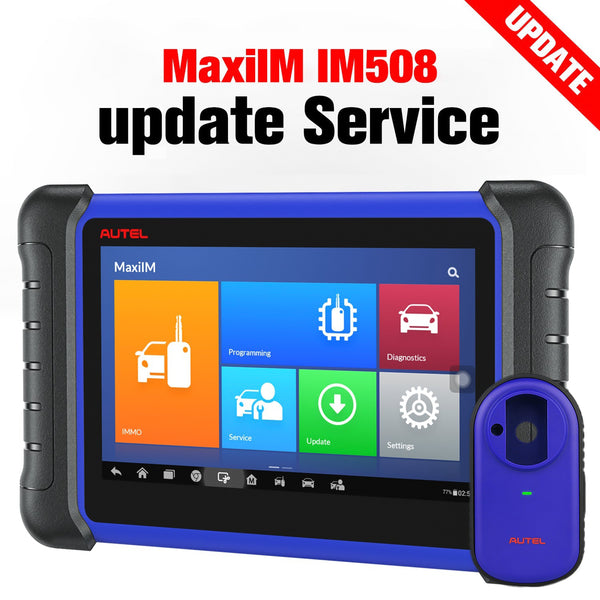
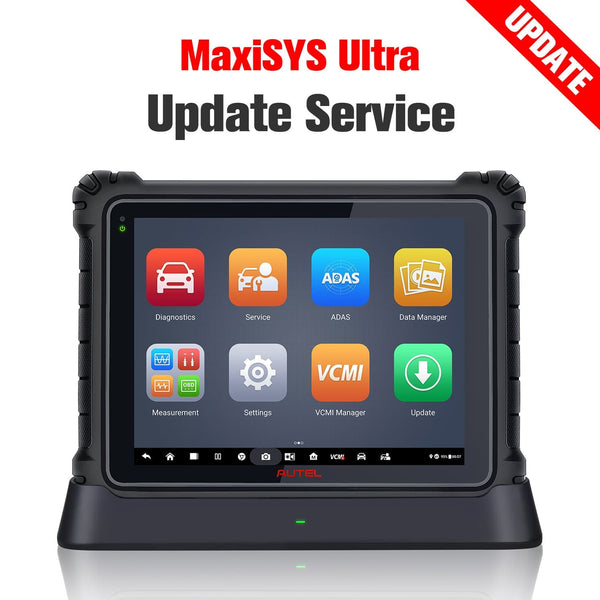
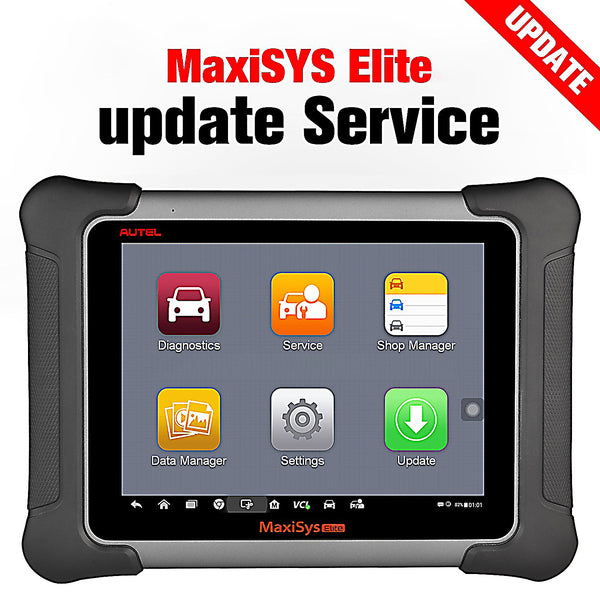


If you’ve ever seen the check engine light turn on, chances are you’ve heard of an OBD2 reader or an OBD2 scanner. While these two tools are often mentioned together, they are not the same, and choosing the wrong one can limit what you’re able to diagnose or fix.
This guide explains the real differences between an OBD2 reader and an OBD2 scanner, how each tool works, who they’re designed for, and which one makes more sense for your needs.

Understanding the OBD2 System
OBD2 (On-Board Diagnostics II) is a standardized system used in most vehicles manufactured after 1996. It allows diagnostic tools to communicate with the vehicle’s electronic control units (ECUs) to retrieve fault codes, sensor data, and system status.
Both OBD2 readers and OBD2 scanners plug into the same OBD2 port, but what they can do once connected is very different.
What Is an OBD2 Reader?
An OBD2 reader is a basic diagnostic device designed primarily for engine and emissions-related diagnostics.
What an OBD2 Reader Can Do
- Read and clear engine fault codes
- Identify why the check engine light is on
- Display generic code definitions
- Show basic live data (RPM, coolant temperature, etc.)
- Check emissions readiness status

Autel OBD2 Code Readers
Because of their simplicity, OBD2 readers are usually:
- Easy to use
- Affordable
- Compact and portable
They are ideal for DIY car owners who want quick answers without dealing with complex diagnostic menus.
Autel OBD2 code readers are a popular choice in this category because they offer:
- Fast code reading and clearing
- Clear, easy-to-understand fault descriptions
- Strong vehicle compatibility
For routine checks and basic troubleshooting, an Autel code reader is often more than enough.
What Is an OBD2 Scanner?
An OBD2 scanner (also called a diagnostic scanner) is a far more advanced tool that provides full-system diagnostics, not just engine codes.
What an OBD2 Scanner Can Do
- Diagnose multiple systems (engine, ABS, SRS, transmission, BCM, etc.)
- Display advanced live data with graphing
- Perform bi-directional control (active tests)
- Reset service lights (oil, EPB, TPMS, DPF, BMS)
- Support ECU coding and programming (model dependent)

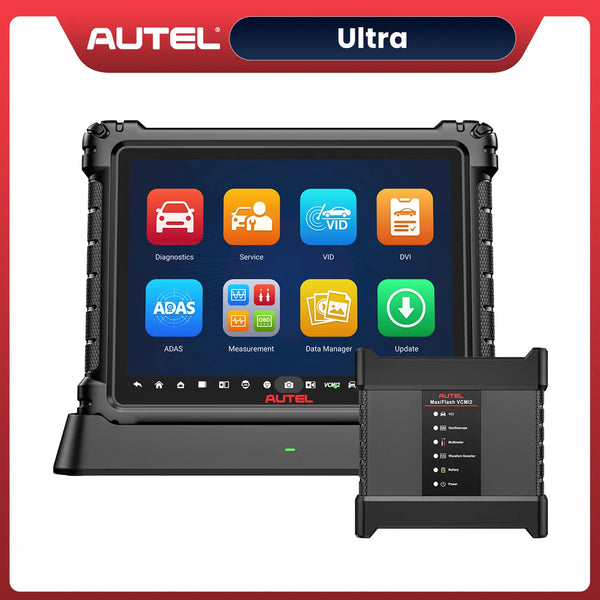
OBD2 Scanners Support All System Diagnostic
OBD2 scanners are commonly used by:
- Professional technicians
- Repair shops
- Advanced DIY users
An Autel scanner is well known for offering:
- OE-level diagnostics
- Wide vehicle coverage
- Stable software updates
- Professional service and special functions
Compared to a reader, a scanner gives you control, not just information.
OBD2 Reader vs OBD2 Scanner: Key Differences Explained
| Feature | OBD2 Reader | OBD2 Scanner |
| System Coverage | Engine only(Most Code Reader) | Full vehicle systems |
| Live Data | Basic | Advanced + graphing |
| Active Tests | No | Yes |
| Service Functions | No | Yes |
| ECU Coding | No | Yes (on advanced models) |
| Skill Level | Beginner | Intermediate to professional |
In simple terms:
- An OBD2 reader tells you what’s wrong
- An OBD2 scanner helps you diagnose, test, and fix it
Which Tool Is Right for You?
Choose an OBD2 Reader If:
- You mainly want to check engine fault codes
- You do basic maintenance and repairs
- You prefer a simple, low-cost solution
A reliable Autel OBD2 code reader is perfect for everyday use and quick diagnostics.
Choose an OBD2 Scanner If:
- You work on modern vehicles with multiple systems
- You need service resets and active tests
- You want deeper diagnostic insight
An Autel diagnostic tool is a better investment for long-term vehicle maintenance and professional-level troubleshooting.

Autel Advanced Diagnostic Tools
Why Many Users Start with Autel
Autel offers a complete diagnostic lineup, making it easy to upgrade as your needs grow:
- Entry-level Autel code readers for beginners
- Mid-range and professional Autel scanners for advanced diagnostics
This flexibility is why Autel tools are widely used by both DIY users and professional technicians.
Final Thoughts
The difference between an OBD2 reader and an OBD2 scanner comes down to functionality and depth. Readers are great for quick checks, while scanners provide full diagnostic control.
If you understand how much access and capability you need, choosing the right tool becomes easy—and with Autel, there’s a reliable option at every level.


