




![IM608 PRO II Full Kit<br>[2-Year Free Update]](http://www.obdprice.com/cdn/shop/files/Autel_IM608S_II_Full_Kit_1_600x600.webp?v=1755662636)

![IM508S PRO<br>[2-Year Free Update]](http://www.obdprice.com/cdn/shop/files/Autel_MaxiIM_IM508S_Pro_600x600.webp?v=1755662755)
![IM508S<br>[2-Year Free Update]](http://www.obdprice.com/cdn/shop/files/AUTEL_MAXIIM_IM508S_600x600.webp?v=1755662895)









There are many different types of vehicle diagnostic trouble codes, each with its own specific meaning and requiring different repair approaches. If you encounter the P0507 code, it indicates a problem with the vehicle’s idle control system, which requires inspection and repair.
When error code P0507 appears, it is often accompanied by symptoms such as the Check Engine light coming on, higher-than-normal idle speed, and increased fuel consumption. If this issue occurs, we recommend using an Autel scan tool promptly for diagnosis and repair assistance to prevent further complications.
Next, we’ll cover the common causes of code P0507, possible solutions, and how to use the Autel scan tool for diagnosis and repair.

What is the Code P0507 Meaning?
Code P0507 is a diagnostic trouble code (DTC) that indicates a problem with the vehicle’s idle control system. The code specifically refers to an issue where the engine’s idle speed is higher than the expected range. This can be caused by various factors, such as a malfunctioning idle air control valve, a vacuum leak, or a faulty throttle body.
This OBD-II code belongs to a series of fault codes (P0505 to P0509) that pertain to a fault in the idle control system, and it means that the engine computer has detected that the engine idle speed has exceeded the manufacturer’s pre-programmed specifications for a certain amount of time.
Common Symptoms of P0507 Code
When the P0507 code is triggered, you may experience several symptoms that indicate a problem with the idle control system. Common symptoms include:
- Higher than normal engine rpm at idle: The engine may run faster than usual when idling.
- Illuminated check engine light: The idle system is part of the engine system and can directly cause the check engine light to come on.
- Increased fuel consumption: Higher idle speeds can lead to increased fuel consumption.
- Rough, fluctuating, or high idle: The engine may idle unevenly or at a higher speed than normal.

Illuminated check engine light
What Causes the P0507 Code?
The P0507 code can be caused by several factors, including:
- Vacuum leaks – Cracked hoses or intake leaks allowing unmetered air
- Dirty throttle body – Carbon buildup preventing proper closure
- Faulty idle air control (IAC) valve – Stuck open or not responding
- Sensor issues – Especially TPS or MAF sending incorrect data
- Electrical problems – Wiring or connector faults affecting control signals
In most cases, the issue comes down to airflow imbalance or idle control failure, which can be quickly confirmed using an Autel scan tool with live data and active tests.
How to Diagnose P0507 with Autel Scan Tool
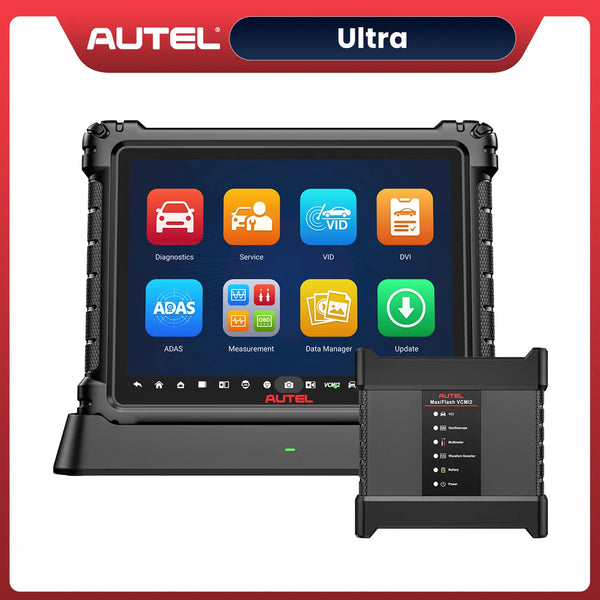
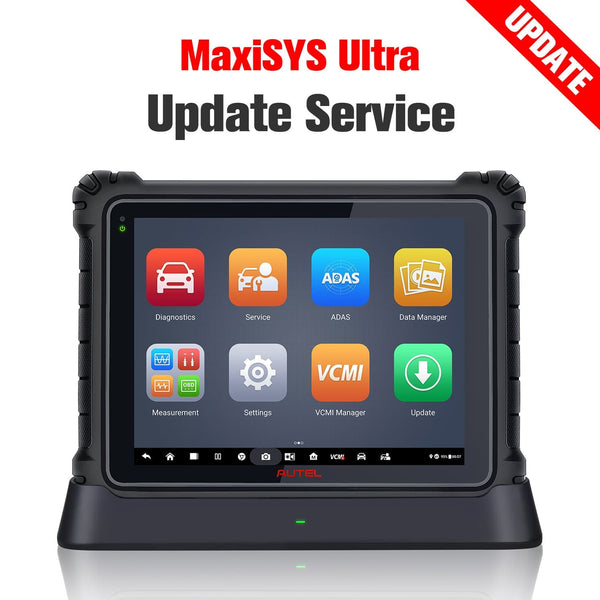
Accurately diagnosing the P0507 code is critical before replacing any parts. With a professional tool like the Autel MaxiSys Ultra, you can pinpoint the exact cause by analyzing live data, running active tests, and accessing OEM-level functions.
Follow these steps to diagnose P0507 efficiently:
Step 1: Connect the Autel Scan Tool and Read Codes
- Plug the scanner into the OBD2 port and turn the ignition on
- Use Auto VIN or manual selection to identify the vehicle
- Read stored and pending DTCs
This step helps confirm the presence of the P0507 code and check if there are any related codes.

Scan P0507 Code With the Autel Scan Tool
Step 2: Check Freeze Frame Data
Open the freeze frame data linked to the P0507 code, look at key parameters:
- Engine RPM at the time of the fault
- Throttle position (%)
- Engine load
- Coolant temperature
This tells you when the fault occurred (cold start, warm idle, etc.), helping narrow down the cause quickly.
Step 3: Monitor Live Data (Core Step)
Using the live data function on the Autel MaxiSys Ultra:
Focus on these key PIDs:
- Idle RPM – Is it consistently higher than spec?
- Throttle Position Sensor (TPS) – Should be stable at idle
- Short-Term Fuel Trim (STFT) – High positive values may indicate vacuum leaks
- Mass Air Flow (MAF) – Check for abnormal airflow readings
Abnormal data in this context typically points directly to vacuum leaks, a dirty throttle body, or false sensor readings.

Monitor Idle RPM with Live Data
Step 4: Perform Active Tests (Bi-directional Control)
This is where professional tools stand out. With the Autel scan tool, you can:
- Command the throttle body to open/close
- Test the Idle Air Control (IAC) valve response
- Observe RPM changes in real time
If the component does not respond correctly, it’s likely faulty. If it responds normally, the issue may be air leaks or sensor data
Step 5: Inspect for Vacuum Leaks
Based on scan results:
- Check intake hoses and connections
- Inspect the intake manifold gasket
- Look for cracked or loose vacuum lines
A high idle combined with lean fuel trims strongly indicates a vacuum leak.
Step 6: Perform Idle Relearn / Reset
After cleaning or repairs:
- Use the scanner’s service functions
- Perform Throttle Body Relearn / Idle Relearn
The Autel MaxiSys Ultra supports guided relearn procedures for many vehicles, ensuring the idle returns to normal.

Perform Throttle Body Relearn with the Autel Scan Tool
How to Fix the P0507 Code
Because there can be a variety of underlying causes, OBD-II trouble codes are often difficult to diagnose and repair. Before beginning repairs, you must first identify the root cause of the trouble code. Depending on the cause, the following repair options are available.
- Clean or replace the idle air control valve: If the valve is dirty or malfunctioning, cleaning or replacing it can restore proper idle control.
- Repair vacuum leaks: Fix any damaged vacuum hoses or connections to eliminate excess air intake.
- Adjust throttle position sensor: If the TPS is misaligned or malfunctioning, adjusting or replacing it can help regulate idle speed.
- Inspect and clean the throttle body: A dirty throttle body can affect idle control, so cleaning it may resolve the issue.
How Much Does It Cost to Fix P0507?
The cost to fix the P0507 code can vary widely depending on the underlying cause and the specific repairs needed. Here’s a general breakdown of potential costs:
| Repair Item | DIY Cost | Professional Cost | Notes |
|---|---|---|---|
| Throttle Body Cleaning | $10 – $30 | $150 – $300 | Most common fix |
| Vacuum Leak Repair (hoses/gasket) | $20 – $100 | $125 – $620 | Depends on leak location |
| Idle Air Control Valve Replacement | $80 – $250 | $180 – $600+ | Parts + labor |
| Throttle Body Replacement | $200 – $600 | $500 – $1,200 | Expensive but less common |
| MAF / TPS Sensor Replacement | $50 – $200 | $150 – $700 | Varies by vehicle |
Note: Keep in mind that these are general estimates and actual costs can vary based on your location, the make and model of your vehicle, and the specific repair shop you choose. Always get a detailed quote before proceeding with repairs.
Can You Drive with a P0507 Code?
While it is possible to drive a vehicle with the P0507 code, it is not recommended. The high idle speed can cause excessive engine wear, reduced fuel economy, and potential overheating. Most importantly, the vehicle's behavior may be unpredictable, making it challenging to operate safely in traffic.
It’s best to address the issue as soon as possible to prevent further damage and ensure safe driving conditions. If you must drive, keep speeds low and avoid heavy traffic until the problem is resolved.
Conclusion
In summary, the P0507 code indicates a problem with the vehicle’s idle control system, often resulting in higher than normal idle speeds. Common causes include vacuum leaks, dirty throttle bodies, and faulty idle air control valves. To diagnose and fix this issue, using a professional tool like the Autel MaxiSys Ultra can provide accurate data and active testing capabilities to pinpoint the root cause efficiently.


