




![IM608 PRO II Full Kit<br>[2-Year Free Update]](http://www.obdprice.com/cdn/shop/files/Autel_IM608S_II_Full_Kit_1_600x600.webp?v=1755662636)

![IM508S PRO<br>[2-Year Free Update]](http://www.obdprice.com/cdn/shop/files/Autel_MaxiIM_IM508S_Pro_600x600.webp?v=1755662755)
![IM508S<br>[2-Year Free Update]](http://www.obdprice.com/cdn/shop/files/AUTEL_MAXIIM_IM508S_600x600.webp?v=1755662895)









Modern vehicles rely heavily on onboard diagnostics to monitor performance and emissions. When a fault occurs, the system generates a Diagnostic Trouble Code (DTC). One code that often confuses drivers is the p1000 code.
If you’ve recently scanned your vehicle and found this code, don’t worry—it’s usually not a serious issue. In this guide, we’ll explain what the p1000 code means, what causes it, and how to fix it using an Autel scan tool or simple driving steps.
What Is the P1000 Code?
The p1000 code is a manufacturer-specific OBD-II trouble code that indicates incomplete readiness monitors. In simple terms, your vehicle’s onboard diagnostic system has not finished running all of its self-checks.
This code is especially common as a p1000 code ford, but it can also appear in other vehicles with similar meanings.
Instead of pointing to a mechanical failure, the code simply means:
- The system hasn’t completed its diagnostic cycle
- Emissions monitors are not fully ready
- The ECU/ECM needs more driving data
Symptoms of the P1000 Code
One of the reasons the p1000 code causes confusion is that it usually comes with no noticeable symptoms.
Here’s what you may observe:
- Check Engine Light (MIL) is on
- No drivability issues
- No loss of power or performance
In most cases, your vehicle will run completely normally. If you’re seeing additional trouble codes alongside the p1000 code, that’s when further diagnosis is needed.

Check Engine Light (MIL) is on
What Causes the P1000 Code?
Although the p1000 code is not a fault in itself, it is triggered by certain conditions. Common causes include:
- Battery disconnection or replacement
- ECU/PCM reset or update
- Clearing trouble codes recently
- Incomplete OBD-II drive cycle
- Interruption during system self-tests
For example, after replacing a battery, a p1000 code ford is very likely to appear until the system completes its checks again.
Is the P1000 Code Serious?
The short answer: No, it’s not serious.
The p1000 code does NOT:
- Affect engine performance
- Prevent you from driving
- Indicate a mechanical failure
However, it does mean your vehicle is not ready for emissions testing. If you need to pass an inspection, you’ll need to complete the drive cycle first.
Can You Still Drive with a P1000 Code?
Yes, you can safely continue driving with a p1000 code.
As long as:
- No other trouble codes are present
- The vehicle runs normally
Then there is no immediate risk. In fact, driving the vehicle is part of the solution.

Driving helps clear the P1000 code
How to Fix the P1000 Code
1. Complete a Drive Cycle (Most Effective Method)
The easiest way to clear the p1000 code is to drive your car normally. Over time, the system will complete its readiness monitors automatically.
Each manufacturer has a specific drive cycle, but generally it includes:
- Cold start
- City driving
- Highway driving
- Idle periods
After completing the cycle, the code should disappear on its own.
2. Use an Autel Scan Tool to Monitor Progress
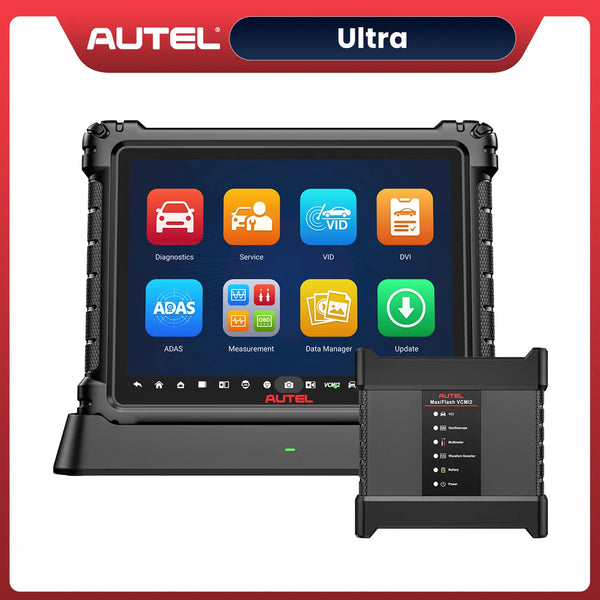
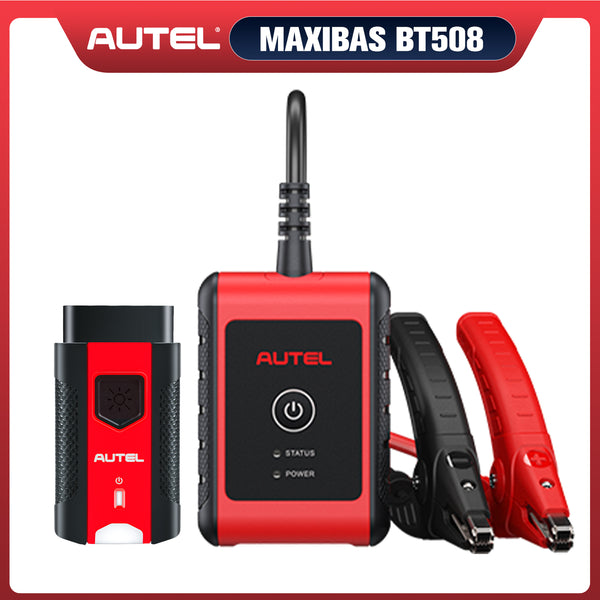
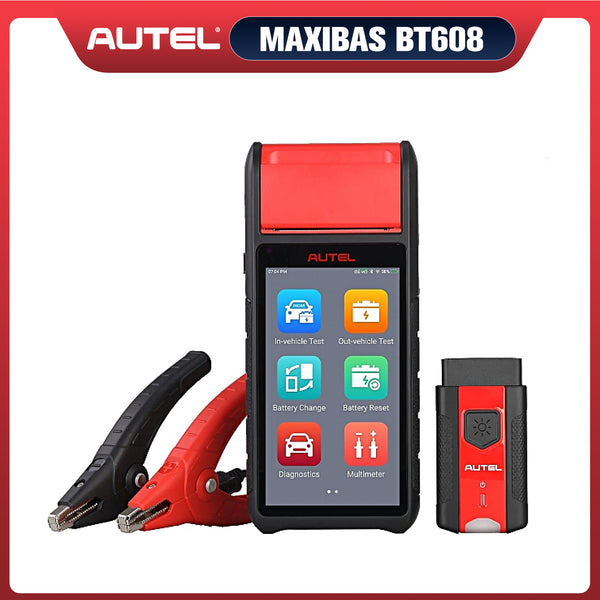
An Autel professional scanner is extremely useful for handling the p1000 code.
With an Autel scan tool, you can:
- Check readiness monitor status in real time
- Confirm which tests are incomplete
- Avoid unnecessary repairs
- Ensure your vehicle is ready for emissions testing
Instead of guessing, an Autel scan tool gives you clear insight into when the system has completed its cycle.

Check readiness monitor status
3. Check Battery and Connections
Since the p1000 code is often triggered by power loss:
- Inspect battery terminals for corrosion
- Ensure all connections are secure
- Check for any recent disconnections or repairs
Fixing these issues can help prevent the code from reappearing.
4. Avoid Clearing the Code Repeatedly
Manually clearing the p1000 code is not recommended.
Why?
- It resets the monitors again
- Delays completion of the drive cycle
- Keeps the system in “not ready” status
Let the system clear the code naturally instead.
When Should You Be Concerned?
While the p1000 code itself is harmless, you should pay attention if:
- Other DTCs appear alongside it
- The check engine light remains after long driving
- The vehicle fails emissions testing repeatedly
In these cases, using an Autel scan tool can help identify deeper issues quickly.
Final Thoughts
The p1000 code is one of the least serious trouble codes you can encounter. It simply indicates that your vehicle hasn’t completed its diagnostic checks.
For most drivers:
- No repairs are needed
- The issue resolves with normal driving
- A proper scan tool can speed up the process
If you want a faster and more accurate way to monitor and clear the issue, using an Autel scan tool is a smart choice. It ensures your vehicle completes all readiness monitors and is fully prepared for inspection.


