




![IM608 PRO II Full Kit<br>[2-Year Free Update]](http://www.obdprice.com/cdn/shop/files/Autel_IM608S_II_Full_Kit_1_600x600.webp?v=1755662636)

![IM508S PRO<br>[2-Year Free Update]](http://www.obdprice.com/cdn/shop/files/Autel_MaxiIM_IM508S_Pro_600x600.webp?v=1755662755)
![IM508S<br>[2-Year Free Update]](http://www.obdprice.com/cdn/shop/files/AUTEL_MAXIIM_IM508S_600x600.webp?v=1755662895)









Introduction: Understanding VVT and Engine Timing Problems
The Variable Valve Timing (VVT) system plays an important role in modern engines by adjusting camshaft timing to improve performance, fuel efficiency, and emissions. When components such as VVT solenoids, camshaft actuators, or timing sensors fail, the engine may experience poor acceleration, rough idle, reduced fuel economy, or a Check Engine Light.
Common trouble codes like P0010, P0014, P0016, and P0017 are often related to camshaft timing control and crankshaft-camshaft correlation problems. However, identifying the real cause can be challenging because these codes may result from electrical issues, oil-related problems, sensor failures, or mechanical timing faults.
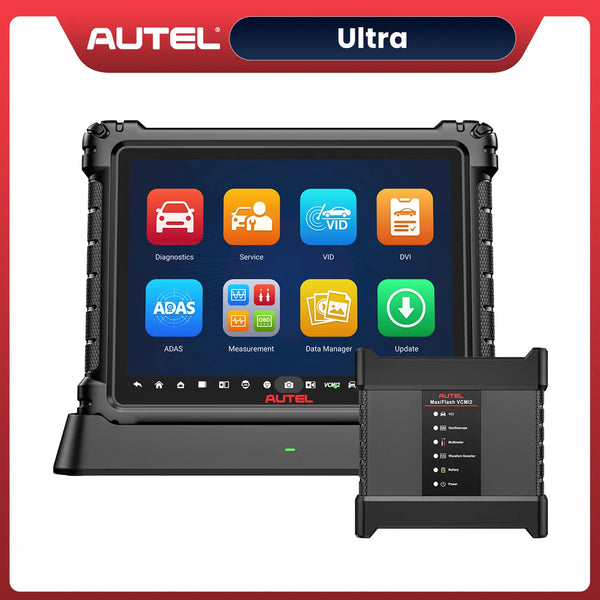
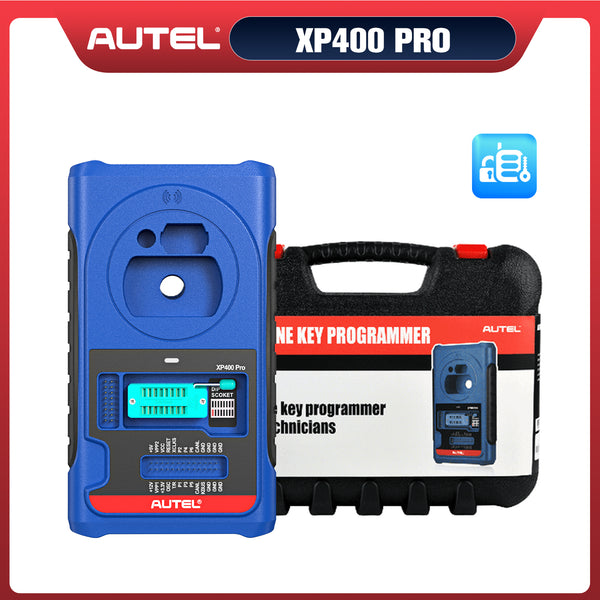
With advanced features such as live data monitoring, active tests, and timing parameter analysis, Autel Scanners help technicians diagnose VVT and engine timing problems more accurately instead of replacing parts based only on fault codes.

What Is Variable Valve Timing (VVT) and How Does It Work?
The Variable Valve Timing (VVT) system controls when the engine’s intake and exhaust valves open and close. Valve timing directly affects how much air enters the combustion chamber and how efficiently exhaust gases leave the engine.
Traditional engines use fixed camshaft timing, meaning the valves operate according to a predetermined schedule. While this works well under certain conditions, it is not ideal across the entire RPM range. A high-performance engine may need different valve timing during acceleration compared with cruising at highway speeds.
VVT solves this problem by allowing the ECU to adjust camshaft position dynamically. The system typically includes:
- VVT solenoids (oil control valves)
- Camshaft position actuators
- Camshaft position sensors
- Engine oil passages
- Timing chain or timing belt components
- Engine control module (ECU)
The ECU uses information from the crankshaft position sensor and camshaft position sensors to determine the exact position of engine components. It then commands the VVT solenoids to adjust oil flow to the camshaft actuator, changing camshaft timing.
Because the system depends heavily on oil pressure and accurate sensor information, problems such as dirty oil, incorrect oil levels, electrical failures, or mechanical wear can cause timing-related trouble codes.
Overview of VVT & Timing Diagnostic Trouble Codes
When the ECM detects a discrepancy between the commanded position of a camshaft and its actual position—or an electrical failure in a VVT control circuit—it sets specific DTCs. Below are five commonly encountered timing and VVT trouble codes:
| DTC | Description | Affected Components |
|---|---|---|
| P0011 | Camshaft Position "A" - Timing Over-Advanced or System Performance (Bank 1) | VVT Solenoid, Cam Phaser, Engine Oil, Oil Passage |
| P0014 | Exhaust Camshaft Position "B" - Timing Over-Advanced or System Performance (Bank 1) | Exhaust VVT Solenoid, Cam Phaser, Oil Pressure Line |
| P0016 | Crankshaft Position - Camshaft Position Correlation (Bank 1 Sensor A) | Timing Chain/Belt, Tensioner, Cam/Crank Sensors |
| P0021 | Camshaft Position "A" - Timing Over-Advanced or System Performance (Bank 2) | Bank 2 Intake VVT Solenoid, Phaser, Low Oil Pressure |
| P0340 | Camshaft Position Sensor "A" Circuit Malfunction (Bank 1 or Single Sensor) | Cam Sensor, Wiring Harness, ECM Signal Input |
Deep-Dive Analysis of VVT & Timing Faults
P0010 Code: Camshaft Position Actuator Circuit Malfunction
Understanding Fault Code P0010
The P0010 code indicates a problem with the camshaft position actuator circuit, typically affecting Bank 1 intake camshaft timing control.
The camshaft position actuator is a key component of the VVT system. It adjusts camshaft timing based on commands from the ECU. When the ECU detects an electrical problem in the actuator circuit, it sets the P0010 code.
Common Causes and Symptoms of P0010
Several underlying factors can trigger P0010, ranging from a faulty VVT solenoid or failed camshaft actuator to damaged wiring harnesses, poor connector pin contact, contaminated engine oil, or low hydraulic oil pressure. Because the VVT system relies on engine oil pressure to adjust cam phasing, improper oil maintenance frequently contributes to these problems.
When P0010 sets, drivers will typically notice an illuminated Check Engine Light alongside symptoms like a rough engine idle, reduced engine power, poor fuel economy, and difficulty starting the vehicle.

P0010 caused by faulty camshaft actuator
Diagnosing P0010 with Autel Scanners
An Autel Scanner can help identify whether the problem is electrical or mechanical by checking:
- VVT solenoid activation status
- Camshaft position data
- Engine oil temperature
- ECU commands
- Live sensor readings
Technicians can compare commanded camshaft position with actual camshaft position to determine whether the actuator responds correctly.
P0014 Code: Exhaust Camshaft Timing Over-Advanced
What Does P0014 Mean?
The P0014 code indicates that the exhaust camshaft timing is more advanced than the ECU expects. This means the VVT system has moved the exhaust camshaft into an incorrect position.
The problem usually involves Bank 1 exhaust camshaft timing control.
Causes & Symptoms of Fault Code P0014
Code P0014 typically indicates an issue with exhaust camshaft timing performance on Bank 1. This condition is often caused by a stuck or failing VVT solenoid, a faulty camshaft actuator, or problems with the camshaft position sensor.
Because many VVT systems rely heavily on hydraulic oil pressure to control timing adjustments, mechanical causes such as dirty engine oil, incorrect oil viscosity, or worn timing chain components are also frequent triggers.
When this code is set, drivers may notice several performance issues, including:
- Poor Engine Performance & Hesitation: Delayed acceleration or lack of responsiveness under load.
- Rough Running & Unstable Idle: Engine vibration or stumbling when idling.
- Reduced Fuel Efficiency: Increased fuel consumption as the engine struggles to maintain optimal combustion.
- Increased Emissions: Higher tailpipe emissions due to improper exhaust valve timing during the combustion cycle.

Diagnose P0014 Code with the Autel Scanner
Diagnosing P0014 with Autel Scanners
Autel diagnostic tools can monitor:
- Actual exhaust camshaft angle
- Actual exhaust camshaft angle
- Desired camshaft angle
- Engine operating conditions
If the commanded timing and actual timing values do not match, further inspection of the VVT system or mechanical timing components may be required.
P0016 Code: Crankshaft and Camshaft Position Correlation Problem
What Does P0016 Mean?
The P0016 code indicates that the ECU has detected a mismatch between the crankshaft position and camshaft position.
The crankshaft controls piston movement, while the camshaft controls valve operation. These components must remain synchronized for proper engine operation.
When their positions do not match, the ECU detects a timing correlation problem.
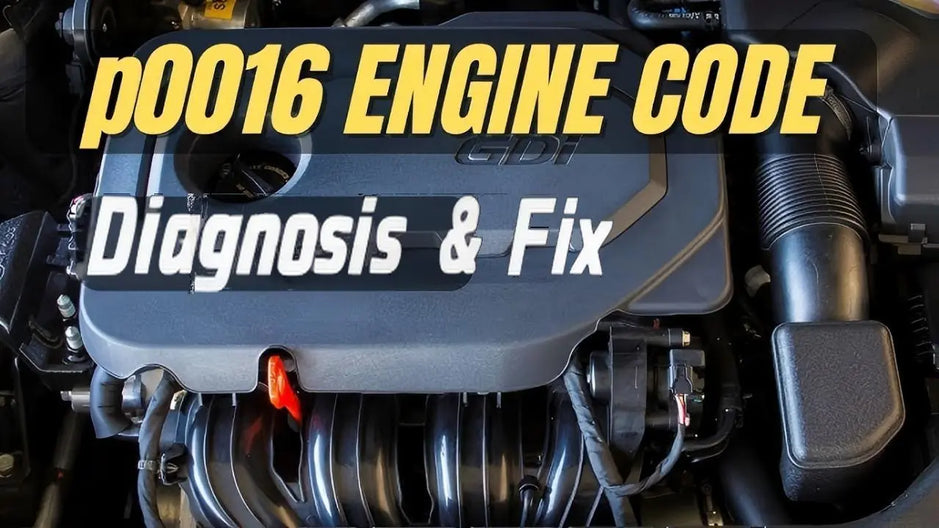
p0016 code diagnosis and fix
Causes & Symptoms of Fault Code P0016
Code P0016 indicates a correlation issue between the crankshaft and camshaft positions, which often points to a physical timing misalignment rather than just a simple electronic fault. Common causes include a stretched timing chain, a worn or failed timing chain tensioner, incorrect timing installation during previous repairs, or a failed VVT actuator.
In some cases, a faulty camshaft or crankshaft position sensor can also trigger this code. Because P0016 can signal a serious mechanical timing problem, ignoring it may lead to severe engine damage.
When P0016 is present, vehicles typically display the following performance symptoms and mechanical warning signs:
- Hard Starting & Extended Crank: The ECU struggles to determine exact engine timing, delaying ignition.
- Engine Misfires & Rattling Noise: Internal timing slippage causes misfires and audible metallic rattling from the timing chain area.
- Poor Acceleration & Reduced Power: The engine experiences a noticeable loss of responsiveness and dynamic performance.
Diagnosing P0016 with Autel Scanners
Autel Scanners can provide valuable information by displaying:
- Crankshaft position data
- Camshaft position data
- Timing synchronization values
- Related sensor signals
This helps technicians determine whether the issue is caused by a sensor problem or actual mechanical timing failure.
P0017 Code: Crankshaft and Camshaft Position Correlation Bank 1 Sensor B
What Does P0017 Mean?
The P0017 code is similar to P0016 but usually relates to the correlation between the crankshaft position and the exhaust camshaft position.
The ECU continuously compares crankshaft and camshaft signals. If the relationship falls outside the expected range, it stores the P0017 code.
Causes & Symptoms of Fault Code P0017
Code P0017 signals a correlation problem between the crankshaft and the exhaust camshaft on Bank 1, frequently indicating that the engine's mechanical timing is out of synchronization. Common causes include a stretched timing chain, worn or damaged timing components, a failing VVT actuator, or low engine oil pressure. Additionally, faulty camshaft or crankshaft position sensors can disrupt the timing signals sent to the engine control module.

P0017 means the crankshaft and camshaft sensor signals are out of sync.
Vehicles experiencing code P0017 often demonstrate the following symptoms:
- Illuminated Check Engine Light: The ECU detects the timing mismatch and triggers an active warning code.
- Rough Engine Operation & Poor Performance: Unstable idling and a noticeable reduction in engine power under load.
- Engine Starting Problems: Extended cranking or difficulty starting due to misaligned timing signals.
- Increased Fuel Consumption: Decreased engine efficiency resulting in higher fuel usage.
Diagnosing P0017 with Autel Scanners
Using an Autel Scanner, technicians can check:
- Camshaft sensor signals
- Crankshaft sensor signals
- VVT system operation
- Timing-related live data
This allows a more accurate diagnosis before performing expensive mechanical repairs.
How Autel Scanners Help Diagnose VVT and Timing Problems
Diagnosing VVT problems requires more than reading fault codes. A professional scan tool provides deeper information about how the engine timing system is operating.
Live Data Monitoring
Autel Scanners allow technicians to view real-time information, including:
- Camshaft position angles
- Crankshaft position
- Engine RPM
- Oil temperature
- VVT command values
- Sensor signals
This helps identify abnormal timing behavior during different engine conditions.
Active Tests
Many advanced Autel models support active tests that allow technicians to command specific components. For example, they can activate VVT solenoids and observe whether the system responds correctly.

Autel Scanners Active Tests Function
Complete System Diagnosis
Timing problems may involve multiple vehicle systems. Autel Scanners can scan engine modules, identify related codes, and provide a complete picture of the vehicle’s condition.
Repair Verification
After repairs, technicians can clear DTCs, monitor live data, and confirm that the VVT system is operating normally.
Final Thoughts
VVT and engine timing systems play a critical role in modern engine performance. When problems occur, codes such as P0010, P0014, P0016, and P0017 provide important clues, but finding the true cause requires proper diagnosis.
A faulty VVT solenoid, oil-related issue, sensor failure, or mechanical timing problem can produce similar symptoms. Using Autel Scanners allows technicians to analyze live data, compare camshaft and crankshaft signals, perform active tests, and confirm repairs with greater accuracy.
Whether you are diagnosing a professional repair job or maintaining your own vehicle, understanding how VVT and timing systems work makes troubleshooting faster, easier, and more reliable.
FAQs
1. Can low engine oil cause VVT trouble codes?
Yes. Many VVT systems depend on engine oil pressure to operate. Low oil level, dirty oil, or incorrect oil viscosity can prevent proper camshaft adjustment and trigger codes like P0010 or P0014.
2. Is a P0016 code always caused by a bad timing chain?
No. Although timing chain problems are common causes, P0016 can also result from faulty sensors, wiring issues, or VVT actuator problems.
3. Can I drive with a VVT-related trouble code?
It depends on the severity of the problem. Some vehicles may continue running, but ignoring timing issues can lead to reduced performance or potential engine damage.
4. Which Autel Scanner features are useful for VVT diagnosis?
Important features include live data monitoring, active tests, camshaft position analysis, ECU scanning, and repair verification.
5. How often should VVT systems be inspected?
There is no fixed inspection interval, but regular oil maintenance and diagnostic checks can help prevent many VVT-related problems.


