




![IM608 PRO II Full Kit<br>[2-Year Free Update]](http://www.obdprice.com/cdn/shop/files/Autel_IM608S_II_Full_Kit_1_600x600.webp?v=1755662636)

![IM508S PRO<br>[2-Year Free Update]](http://www.obdprice.com/cdn/shop/files/Autel_MaxiIM_IM508S_Pro_600x600.webp?v=1755662755)
![IM508S<br>[2-Year Free Update]](http://www.obdprice.com/cdn/shop/files/AUTEL_MAXIIM_IM508S_600x600.webp?v=1755662895)


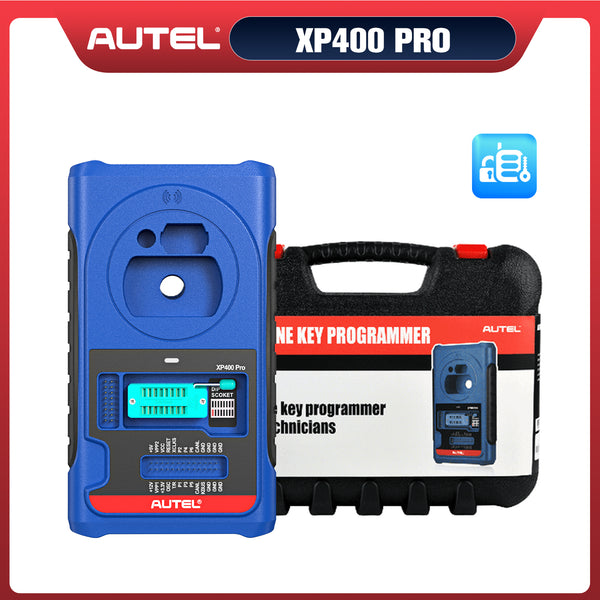


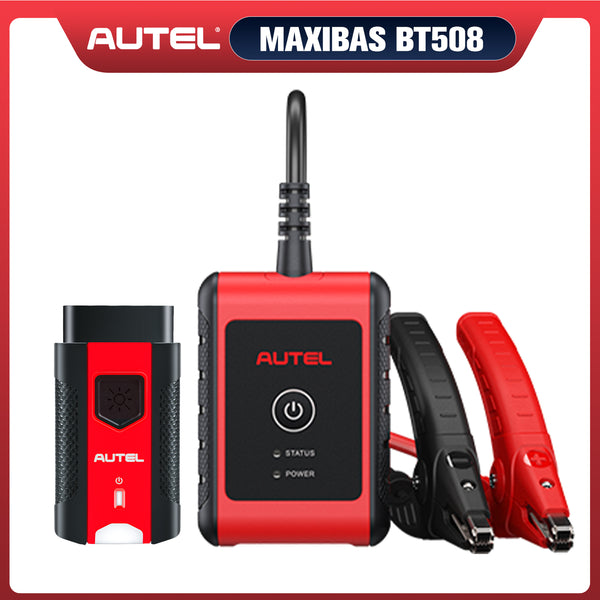
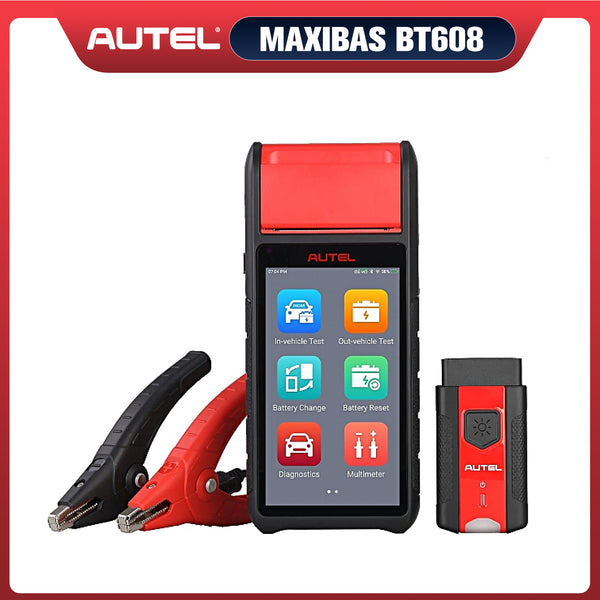



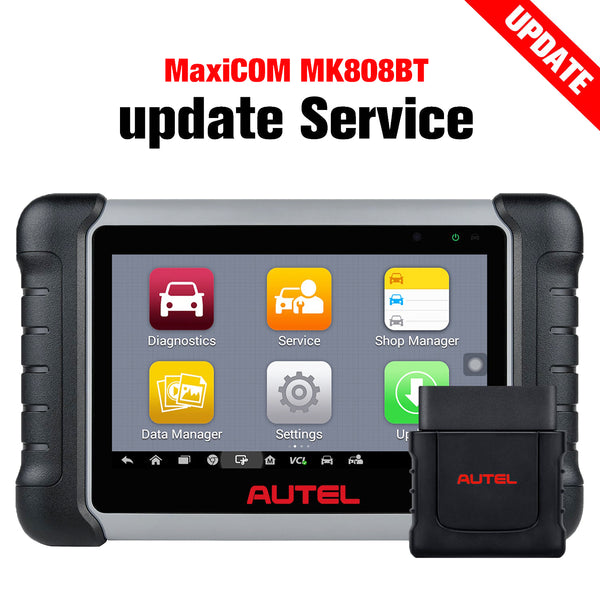
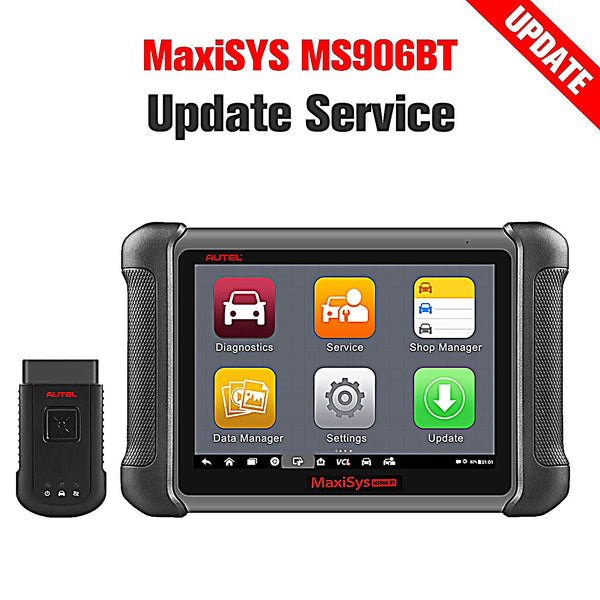


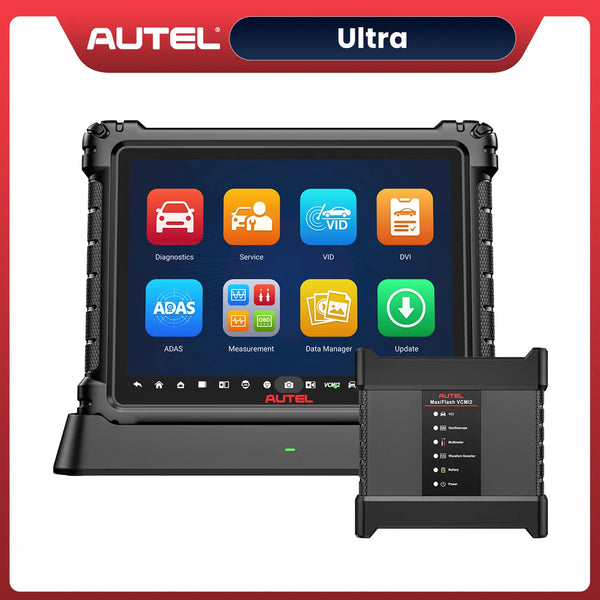
Modern vehicles rely on multiple sensors and emissions-control components to keep exhaust emissions within acceptable limits. When the engine control module (ECM) detects abnormal readings, it stores a diagnostic trouble code (DTC) and may turn on the Check Engine Light.
Some emissions-related codes are easy to misunderstand. For example, a catalyst-efficiency code does not necessarily mean the catalytic converter itself has failed. An oxygen sensor, wiring problem, exhaust leak, fuel-mixture issue, or engine misfire may contribute to the fault.
This guide covers five common emissions and exhaust aftertreatment codes—P0130, P0135, P0420, P0430, and P2096—and explains how an Autel scanner can help diagnose them more efficiently.

What Are Emissions & Exhaust Aftertreatment Codes?
The emissions and exhaust aftertreatment system monitors and controls the gases produced by the engine. Depending on the vehicle, it can involve oxygen sensors, air-fuel ratio sensors, catalytic converters, exhaust sensors, fuel-trim control, and other emissions components.
A simplified process looks like this:
Engine Combustion → Oxygen/Air-Fuel Sensors → Catalytic Converter → Post-Catalyst Monitoring → ECM
The ECM compares sensor readings and operating conditions to determine whether the system is working as expected.
The five codes covered in this guide fall into different parts of this process:
| DTC | Description | Main Area |
|---|---|---|
| P0130 | O2 Sensor Circuit Malfunction | Bank 1 Sensor 1 |
| P0135 | O2 Sensor Heater Circuit Malfunction | Bank 1 Sensor 1 |
| P0420 | Catalyst System Efficiency Below Threshold | Bank 1 |
| P0430 | Catalyst System Efficiency Below Threshold | Bank 2 |
| P2096 | Post-Catalyst Fuel Trim System Too Lean | Bank 1 |
Although these codes have different definitions, they can sometimes be related. That is why reading the code alone is rarely enough to identify the root cause.
Common Emissions & Aftertreatment Codes
P0130 Code: O2 Sensor Circuit Malfunction
P0130 code generally indicates a problem with the oxygen sensor circuit for Bank 1 Sensor 1. Sensor 1 is located upstream of the catalytic converter and provides feedback that helps the ECM control the air-fuel mixture.
Common causes include:
- Failed oxygen sensor
- Damaged wiring or connector
- Poor electrical connection
- Exhaust leak near the sensor
- Abnormal air-fuel mixture
- Circuit or power-supply problems
Before replacing the sensor, inspect its wiring and connector. An Autel scanner can also display relevant live data, helping you determine whether the sensor signal is responding normally.
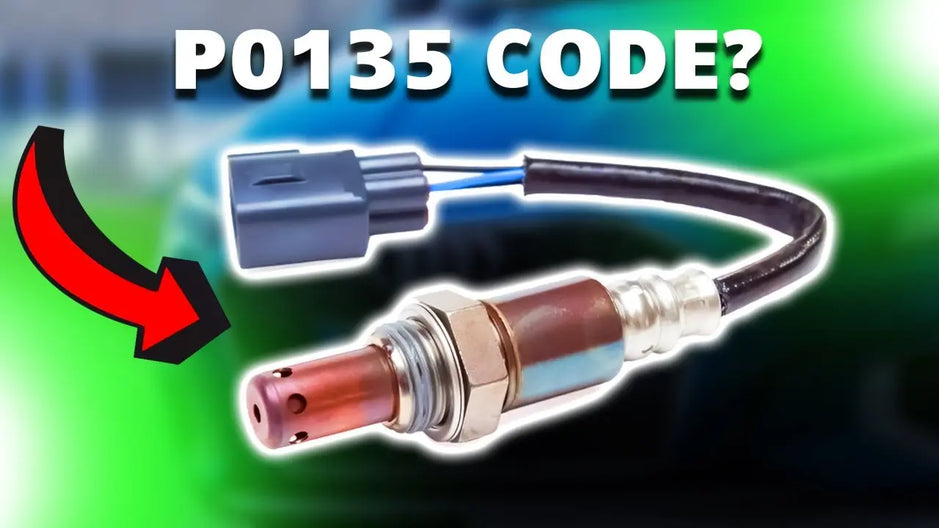
P0135 Code: O2 Sensor Heater Circuit Malfunction
P0135 code specifically concerns the heater circuit of Bank 1 Sensor 1.
Oxygen sensors need to reach their operating temperature before they can provide accurate readings. The built-in heater helps the sensor warm up quickly, particularly after a cold start.
Possible causes include:
- Failed O2 sensor heater
- Blown fuse
- Open or shorted wiring
- Poor connector contact
- Power or ground problems
An Autel scanner can identify the stored fault and provide additional diagnostic information, but electrical testing may still be necessary to confirm whether the heater circuit has the correct power, ground, and resistance.
P1035 Code
P0420 Code: Catalyst System Efficiency Below Threshold
P0420 indicates that the ECM has detected catalyst efficiency below the expected threshold on Bank 1.
The ECM uses upstream and downstream oxygen-sensor information to evaluate catalytic-converter performance. If the sensor signals indicate that the converter is not reducing exhaust pollutants as expected, P0420 may be stored.
However, P0420 codes does not automatically mean that the catalytic converter needs to be replaced.
Potential causes include:
- A deteriorated catalytic converter
- Faulty oxygen or air-fuel sensors
- Exhaust leaks
- Engine misfires
- Incorrect fuel mixture
- Other engine-performance problems
An Autel scanner can help you look at the surrounding data before deciding whether the catalyst itself is the problem.
P0430 Code: Catalyst System Efficiency Below Threshold
P0430 is similar to P0420 but applies to Bank 2.
The diagnostic approach is also similar. Start by checking for additional DTCs and inspecting the exhaust system. Then review sensor and fuel-trim data to determine whether another problem could be affecting catalyst performance.
If P0430 appears alongside misfire or fuel-mixture codes, those issues should be investigated first.
P2096 Code: Post-Catalyst Fuel Trim System Too Lean
P2096 code indicates that the ECM has detected a lean post-catalyst fuel-trim condition on Bank 1.
A lean condition means the system is detecting too much oxygen relative to the expected air-fuel mixture. The cause may not necessarily be the post-catalyst sensor itself.
Possible causes include:
- Vacuum or intake leaks
- Exhaust leaks
- Faulty oxygen or air-fuel sensor
- Fuel-delivery problems
- Incorrect air-fuel mixture
- Wiring or connector problems
Because P2096 can overlap with other fuel and emissions issues, it is important to look at fuel trims and related DTCs instead of replacing a sensor immediately.

A cracked exhaust manifold can trigger the P2096 code
How an Autel Scanner Helps Diagnose These Codes
The biggest advantage of using an Autel scanner is that it allows you to look beyond the basic DTC description.
1. Read All Stored DTCs
Begin with a complete scan rather than focusing only on the Check Engine Light code.
Record:
- Current DTCs
- Pending DTCs
- Permanent DTCs
- Related module faults
If several codes are present, their relationship can provide important clues. For example, a catalyst-efficiency code accompanied by an engine misfire code should be approached differently from an isolated P0420.
2. Check Freeze-Frame Data
Freeze-frame data shows the vehicle's operating conditions when the ECM detected the fault.
Depending on the vehicle, this can include:
- Engine RPM
- Vehicle speed
- Engine load
- Fuel-trim values
- Other sensor parameters
This information can help determine whether the fault occurred during a cold start, idle, acceleration, or highway driving.
3. Monitor Live Data
Live data is particularly useful for emissions-related diagnosis.
Depending on vehicle support, an Autel OBD2 scanner may allow you to monitor:
- O2 sensor readings
- Air-fuel ratio data
- Short-term fuel trim (STFT)
- Long-term fuel trim (LTFT)
- Engine RPM
- Coolant temperature
- Engine load

Monitoring Real-Time Data Using an Autel Scanner
Instead of looking at one value in isolation, compare sensor behavior with engine operating conditions.
For example, if an O2 sensor reading remains fixed when it should respond to changing engine conditions, further testing may be necessary.
4. Check for Related Problems
Emissions codes should be diagnosed as part of the overall engine system.
Suppose a vehicle has P0420 together with a misfire code. Replacing the catalytic converter immediately may not solve the problem. A continuing misfire can cause excessive unburned fuel to enter the exhaust and potentially damage the catalyst.
Similarly, an exhaust leak can affect oxygen readings and make a sensor or catalyst appear faulty.
The goal is therefore to determine why the ECM detected the abnormal condition, rather than simply replacing the component named in the code.
5. Verify the Repair
After completing a repair:
- Clear the stored DTCs.
- Restart the vehicle.
- Check relevant live data.
- Perform an appropriate drive cycle.
- Rescan the vehicle.
If the fault does not return and the relevant data appears normal, the repair is more likely to have addressed the underlying problem.
How These Codes Can Be Connected
One reason emissions diagnosis can be challenging is that the components work together.
The basic relationship is:
O2/Air-Fuel Sensor → Fuel Control → Engine Combustion → Catalytic Converter → Post-Catalyst Monitoring
A problem in one part of this chain can influence another.
For example, an incorrect oxygen-sensor signal may affect fuel control. An incorrect fuel mixture can then influence catalytic-converter performance. An exhaust leak can also introduce additional oxygen into the exhaust stream and affect sensor readings.
This means that P0130, P0135, P0420, P0430, and P2096 should not always be treated as completely independent faults.
When multiple codes appear together, look for a common cause before replacing expensive components.

These Codes Can Be Connected
Common Mistakes When Diagnosing Emissions Codes
Replacing the O2 Sensor Immediately
A sensor code can be caused by wiring, connectors, power-supply problems, or exhaust leaks. Always inspect the circuit and supporting data first.
Replacing the Catalytic Converter Based Only on P0420 or P0430
A catalyst-efficiency code is a reason to investigate catalyst performance—not automatic proof that the converter has failed.
Ignoring Other DTCs
Related misfire, fuel-trim, ignition, or sensor codes may point toward the underlying problem.
Clearing Codes Before Recording Data
Clearing DTCs can remove useful freeze-frame information. Record the available diagnostic data before clearing anything.
Skipping Repair Verification
A Check Engine Light going off does not necessarily prove the repair was successful. A follow-up scan and appropriate drive cycle can provide greater confidence.
When Should You Use an Autel Scanner?
An Autel scanner is especially useful when diagnosing emissions and exhaust aftertreatment problems because it can combine several types of information in one diagnostic workflow.
It can help you:
- Identify stored and pending DTCs
- Review freeze-frame information
- Monitor oxygen-sensor and fuel-trim data
- Check for related faults
- Evaluate sensor behavior
- Confirm whether a code returns after repair
For basic DTC reading, an entry-level Autel scanner may be sufficient. For more advanced diagnostics, higher-end MaxiSys models can provide broader live-data and active-test capabilities, depending on the vehicle and model support.
Final Thoughts
P0130, P0135, P0420, P0430, and P2096 all fall within the broader emissions and exhaust aftertreatment category, but they do not necessarily indicate five unrelated component failures.
The most effective approach is to combine DTC information with freeze-frame data, live sensor readings, visual inspection, and appropriate electrical or mechanical testing.
An Autel scanner can make this process more systematic by helping technicians identify related faults, monitor emissions-system data, and verify repairs. Most importantly, avoid replacing an oxygen sensor or catalytic converter based solely on a DTC description. Use the available diagnostic data to find the actual root cause first.


