




![IM608 PRO II Full Kit<br>[2-Year Free Update]](http://www.obdprice.com/cdn/shop/files/Autel_IM608S_II_Full_Kit_1_600x600.webp?v=1755662636)

![IM508S PRO<br>[2-Year Free Update]](http://www.obdprice.com/cdn/shop/files/Autel_MaxiIM_IM508S_Pro_600x600.webp?v=1755662755)
![IM508S<br>[2-Year Free Update]](http://www.obdprice.com/cdn/shop/files/AUTEL_MAXIIM_IM508S_600x600.webp?v=1755662895)









Introduction
When the Check Engine Light appears, many drivers immediately worry about expensive engine damage. However, some trouble codes are related to problems that develop slowly rather than causing immediate breakdowns.
The P0128 code is one of the most common cooling system-related diagnostic trouble codes (DTCs). It indicates that the engine coolant temperature has not reached the expected operating temperature within a specified period.
Although your vehicle may continue running normally, ignoring P0128 for too long can reduce fuel efficiency, increase emissions, and cause long-term engine wear.
In this guide, we’ll explain:
- What the P0128 code means
- Common causes and symptoms
- Whether you can safely drive with P0128
- How to diagnose it with an OBD2 scanner
- Repair options and average costs
- How Autel scanners help identify the real problem

What Does the P0128 Code Mean?
P0128 Definition:
Coolant Thermostat (Coolant Temperature Below Thermostat Regulating Temperature)
The P0128 code means the engine computer (ECM/PCM) has detected that the coolant temperature is lower than expected after the engine has been running for a certain amount of time.
The ECM determines this by comparing information from:
| Component | Function |
|---|---|
| Engine Coolant Temperature Sensor (ECT) | Measures coolant temperature |
| Intake Air Temperature Sensor (IAT) | Helps calculate engine temperature conditions |
| Thermostat operation | Controls coolant flow |
| Engine running time and speed | Determines warm-up performance |
Normally, a cold engine should gradually warm up until it reaches its operating temperature, usually around 185°F–220°F (85°C–105°C).
When the engine remains too cool, the ECM stores the P0128 code and turns on the Check Engine Light.
Is P0128 a Serious Problem?
Short answer: Usually no, but it should not be ignored.
Unlike overheating-related codes, P0128 usually means the engine is running too cold, not too hot.
You may still drive your vehicle, but long-term operation can cause:
- Poor fuel economy
- Increased carbon deposits
- Higher emissions
- Reduced heater performance
- Faster engine oil contamination
The engine is designed to operate within a specific temperature range. Running below that range prevents the engine oil from reaching its ideal viscosity and reduces overall efficiency.

P0128 Code Fault Position
Common Symptoms of P0128 Code
The symptoms may vary depending on the vehicle model, but common signs include:
-
Check Engine Light Comes On
The most obvious symptom is the MIL (Malfunction Indicator Lamp).
Some vehicles may show only the warning light without noticeable driving problems.
-
Engine Temperature Gauge Stays Low
A properly working engine temperature gauge should gradually move toward the normal operating range. With P0128, you may notice:
- Temperature gauge remains below normal
- Engine takes longer to warm up
- Temperature drops while driving on highways
-
Weak Cabin Heater Performance
Because the heater uses engine coolant heat, a cold-running engine may produce:
- Lukewarm air
- Slow cabin heating during winter
-
Reduced Fuel Economy
When the engine stays cold, the ECM may continue adding extra fuel, similar to a cold-start condition. This can increase fuel consumption.

P0128 Code Symptoms
What Causes a P0128 Code?
1. Faulty Thermostat (Most Common Cause)
A stuck-open thermostat is responsible for many P0128 cases.
The thermostat normally remains closed during warm-up and opens when the engine reaches operating temperature.
If it becomes stuck open:
- Coolant constantly flows through the radiator
- Engine temperature rises too slowly
- ECM detects insufficient warm-up
Typical repair: Replace the thermostat.
2. Low Coolant Level
Insufficient coolant can affect temperature readings. Possible causes:
- Coolant leaks
- Damaged radiator hose
- Faulty radiator cap
- Water pump problems
Always inspect coolant level before replacing parts.
3. Faulty Engine Coolant Temperature Sensor (ECT)
The engine may actually be warm, but a bad ECT sensor reports incorrect information to the ECM. Possible symptoms:
- Incorrect temperature readings
- Hard starting
- Poor fuel economy
- Cooling fan problems
4. Cooling Fan Running Continuously
A fan that stays on all the time can prevent the engine from reaching normal temperature. Possible causes:
- Faulty fan relay
- Control module issue
- Sensor problem
5. Wiring or Connector Problems
Damaged wiring around temperature sensors can create inaccurate signals. Always inspect:
- Sensor connectors
- Corrosion
- Broken wires
Can You Drive With a P0128 Code?
In most cases, a vehicle with a P0128 code can still be driven, especially for short distances. Unlike overheating-related fault codes, P0128 usually indicates that the engine is operating below its normal temperature rather than experiencing an immediate cooling system failure. However, it is not recommended to ignore the problem for an extended period.
If the vehicle continues running with P0128 for weeks or months, the engine may operate inefficiently because it cannot reach its designed operating temperature. This can result in increased fuel consumption, reduced engine performance, and higher emissions. In colder weather, you may also notice weaker cabin heating because the coolant does not become hot enough to provide sufficient heat.
Although driving with P0128 is usually not an immediate safety risk, the issue should be diagnosed and repaired as soon as possible. Using an OBD2 scanner to check live coolant temperature data can help identify whether the problem is caused by a faulty thermostat, coolant issue, or sensor malfunction, preventing unnecessary part replacements.
How to Diagnose P0128 Code Step by Step
A professional diagnosis should confirm the actual cause instead of immediately replacing the thermostat.
Step 1: Scan the Vehicle for Trouble Codes
Connect an OBD2 scanner and check:
- Stored codes
- Pending codes
- Freeze frame data

Code P0128 on the Autel Scanners
Additional codes may provide important clues:
- P0117 – Engine coolant temperature sensor low input
- P0118 – Engine coolant temperature sensor high input
- P0125 – Insufficient coolant temperature
Step 2: Check Live Coolant Temperature Data
Using an advanced diagnostic scanner such as an Autel scanner, technicians can monitor real-time ECT data.
During a cold start:
Normal:
- Temperature rises steadily
- Reaches operating temperature within several minutes
Possible thermostat failure:
- Temperature stays around 140°F–160°F (60°C–70°C)
- Temperature drops during highway driving
Live data helps confirm whether the thermostat is actually malfunctioning.
Step 3: Inspect Cooling System
Check:
- Coolant level
- Coolant leaks
- Radiator condition
- Thermostat housing
Step 4: Test Sensors
A diagnostic scanner can compare:
- ECT sensor readings
- Intake air temperature values
- Cooling fan operation
If sensor values are unrealistic, further electrical testing is required.
How to Fix P0128 Code
The repair depends on the actual cause.
Replace the Thermostat
Most common repair. Average cost:
- Parts: $20–$100
- Labor: $100–$400
Total cost depends on vehicle design.
Refill or Repair Coolant System
If coolant is low:
- Repair leaks
- Refill coolant
- Remove trapped air

Fix P0128 Code- bleed air coolant
Replace ECT Sensor
If the temperature sensor is inaccurate:
- Replace sensor
- Check wiring connections
- Clear codes
Clear the Code and Verify Repair
After repair:
- Clear P0128 with an OBD2 scanner
- Test drive the vehicle
- Monitor coolant temperature
- Confirm the code does not return
P0128 Code Examples by Vehicle Brand
Chevrolet / GMC
Many Chevrolet and GMC vehicles experience P0128 due to thermostat failure. Common models include:
- Chevrolet Silverado
- Chevrolet Malibu
- GMC Acadia
A thermostat replacement often solves the issue.
Jeep
Jeep models such as Wrangler and Grand Cherokee may trigger P0128 because of thermostat degradation. Diagnosis should confirm coolant temperature behavior before replacement.
How Autel Scanner Helps Diagnose P0128
Before replacing a thermostat, it is important to confirm the actual cause of the P0128 code. Although a stuck-open thermostat is the most common reason, problems such as a faulty coolant temperature sensor, low coolant level, or wiring issues can create similar symptoms. Using a diagnostic scanner can help prevent unnecessary part replacement.
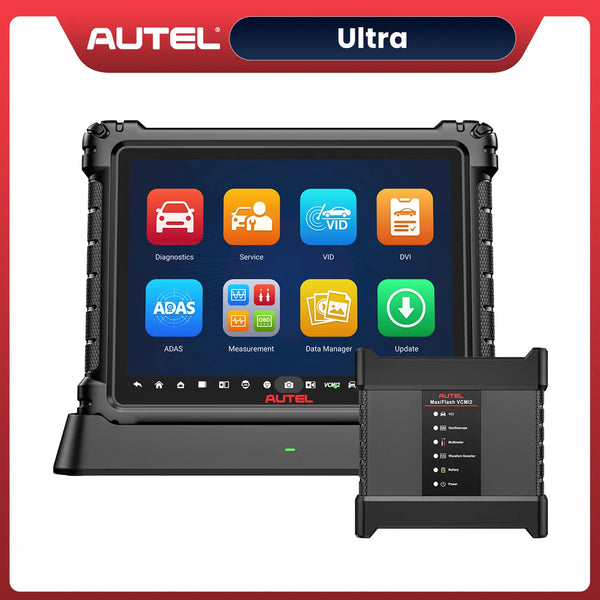
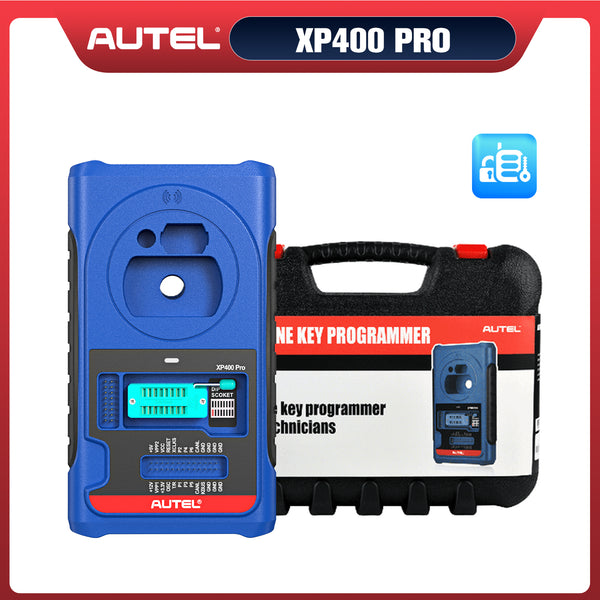
An Autel scanner allows technicians and DIY users to quickly analyze the vehicle’s cooling system by providing access to important diagnostic information, including:
- Stored, current, and pending fault codes
- Freeze frame data showing vehicle conditions when the code appeared
- Related temperature sensor faults that may affect engine warm-up
The live data function is especially useful for P0128 diagnosis. By monitoring real-time engine parameters, users can check whether the engine is reaching its normal operating temperature or identify abnormal sensor readings.
Key data that can be monitored includes:
- Engine coolant temperature (ECT)
- Intake air temperature (IAT)
- Engine operating conditions
- Cooling fan operation
After the repair is completed, an Autel scanner can also be used to clear the fault code and verify that the problem has been resolved. A follow-up scan and road test can confirm that the engine temperature returns to normal and the Check Engine Light does not come back.
For professional mechanics and advanced DIY users, an Autel scanner provides a faster and more accurate way to diagnose P0128, helping avoid unnecessary repairs and ensuring the cooling system operates correctly.
P0128 Code FAQs
Can a bad thermostat cause P0128?
Yes. A thermostat stuck open is the most common cause.
How long can I drive with P0128?
You can usually drive short distances, but repair is recommended soon.
Does P0128 affect fuel economy?
Yes. A cold-running engine often consumes more fuel.
How much does it cost to fix P0128?
Typical repairs range from $100 to $500 depending on the vehicle and repair required.
Can I fix P0128 myself?
If the problem is a thermostat or coolant issue, experienced DIY owners may repair it. However, proper diagnosis is recommended before replacing parts.
Final Thoughts
The P0128 code is not usually an emergency, but it indicates that your engine is not reaching its designed operating temperature. The most common cause is a faulty thermostat, but coolant problems, sensor failures, and electrical issues can also trigger the code.
Instead of replacing parts blindly, use an OBD2 scanner to check live temperature data and confirm the cause. With tools like Autel scanners, diagnosing P0128 becomes faster, more accurate, and more cost-effective.


