



![IM608 PRO II Full Kit<br>[2-Year Free Update]](http://www.obdprice.com/cdn/shop/files/Autel_IM608S_II_Full_Kit_1_600x600.webp?v=1755662636)

![IM508S PRO<br>[2-Year Free Update]](http://www.obdprice.com/cdn/shop/files/Autel_MaxiIM_IM508S_Pro_600x600.webp?v=1755662755)
![IM508S<br>[2-Year Free Update]](http://www.obdprice.com/cdn/shop/files/AUTEL_MAXIIM_IM508S_600x600.webp?v=1755662895)







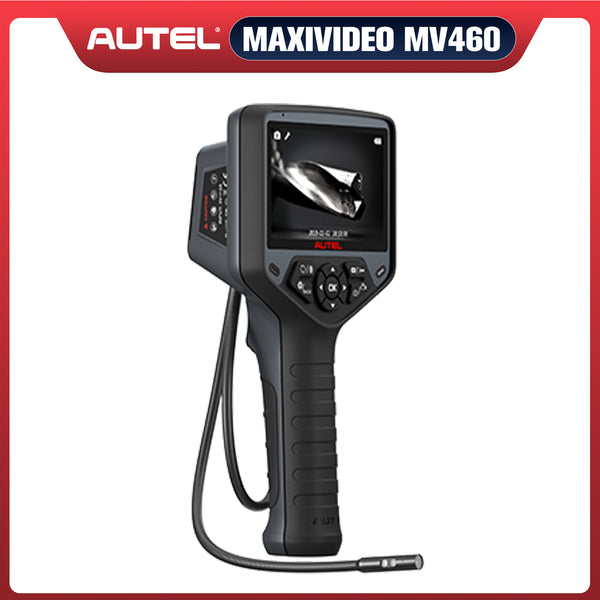
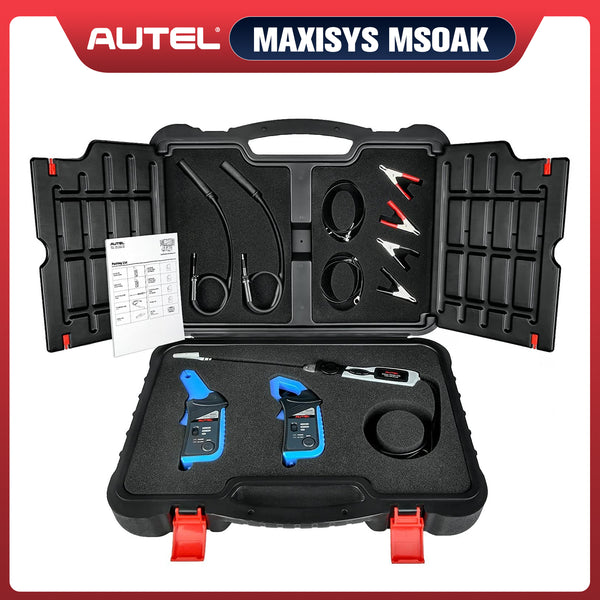
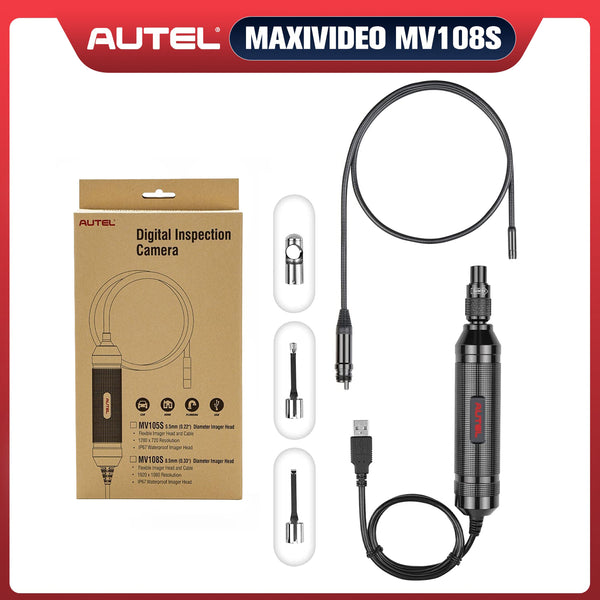
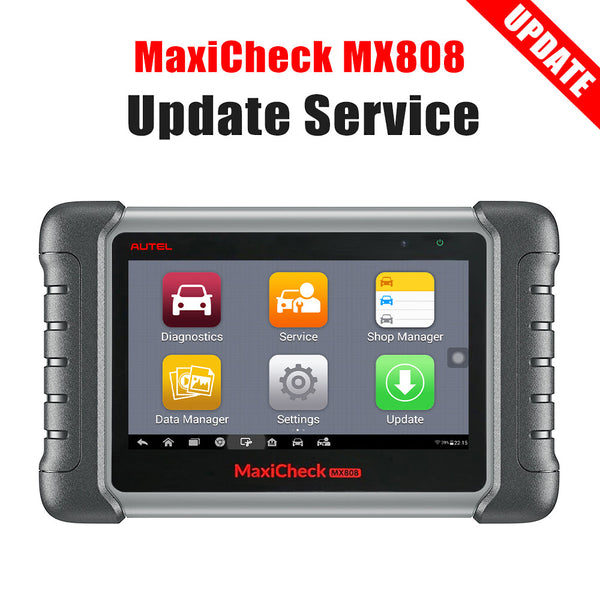

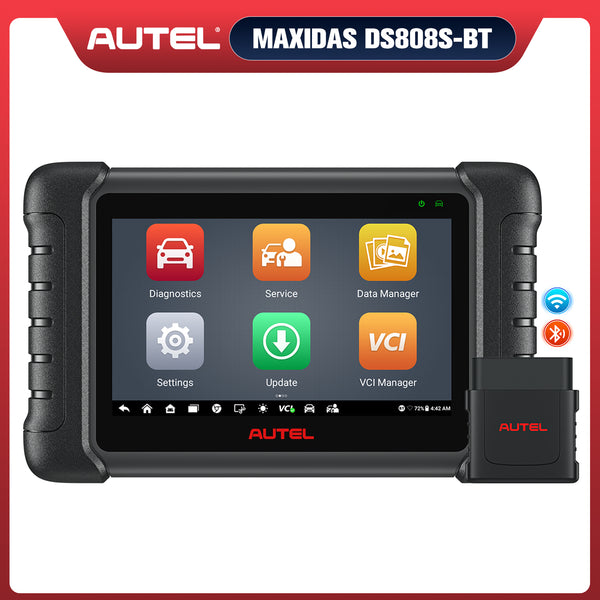


⏱️ P0219 Fast Facts & Diagnosis
DTC P0219 triggers when your Powertrain Control Module (PCM) detects that the engine RPM has breached its safe redline threshold. Before panic-buying a new engine, you must verify the root cause.
- The Risk: Real mechanical overspeed (e.g., manual "money shift") vs. a harmless sensor glitch (CKP/CMP failure).
- The Autel Advantage: Use an Autel scanner to read Freeze Frame Data instantly. If the RPM reading is physically impossible for your speed, it’s a false alarm.
- The Golden Rule: Never clear the P0219 code before checking the historical data, or you risk wiping the evidence of internal engine health.
Imagine driving down a highway or tackling a steep descent. You misjudge a manual downshift, or your automatic transmission hesitates, causing the tachometer needle to fly violently into the red zone. The engine roars, and suddenly, the Check Engine Light flashes on.
When you plug in an OBD-II diagnostic tool, you are greeted with Diagnostic Trouble Code (DTC) P0219: Engine Overspeed Condition.
The short answer is that P0219 is a high-priority alert. It means the Powertrain Control Module (PCM) detected that the engine's Revolutions Per Minute (RPM) exceeded a pre-programmed maximum safety threshold. However, before assuming you need a costly engine replacement, it is crucial to understand that not all P0219 codes point to mechanical catastrophe.

Beyond the Basics: What Actually Triggers P0219?
To effectively fix a P0219 code, a technician must differentiate between a physical overspeed event and an electronic glitch.
1. Mechanical Over-Speed (The Physical Event)
This is common in manual transmission vehicles, often referred to as the "money shift." It occurs when a driver accidentally shifts into a lower gear instead of a higher gear (e.g., shifting from 4th to 2nd instead of 5th) while traveling at high speeds. The momentum of the wheels forces the crankshaft to spin faster than the engine’s internal components are designed to handle.
2. Sensor Glitches (The Ghost Speed)
In many instances, the engine never actually over-revved. Instead, the PCM received faulty data. This happens due to:
- A malfunctioning Crankshaft Position (CKP) Sensor.
- A failing Camshaft Position (CMP) Sensor.
- Wiring harnesses that are shorted, corroded, or damaged by engine heat.
3. Transmission and Software Glitche
Faulty Transmission Control Module (TCM) communication or slipping automatic transmission clutches can cause brief, unintended spikes in engine RPM, triggering the safety logic in the PCM.
Step-by-Step Diagnosis: Pinpointing P0219 with an Autel Scanner
When dealing with a potential engine overspeed, simply clearing the code with a basic code reader is highly discouraged. You need deep data insight to verify if mechanical damage occurred. Utilizing an advanced diagnostic tool—such as an Autel MaxiSys MS906 Pro—allows you to perform a systematic, professional-level diagnostic routine.
Step 1: Analyze the Freeze Frame Data
Do not clear the code immediately. Connect your Autel scanner to the vehicle's OBD-II port, auto-detect the VIN, and navigate to the Freeze Frame menu.
Freeze frame data captures the exact operating conditions at the precise millisecond the P0219 code was triggered. Look closely at the following parameters:

Use Autel Scanners To Read Freeze Frame Data
- Engine RPM: Did it genuinely exceed the redline (e.g., 7,500 RPM on a 6,000 RPM redline)?
- Vehicle Speed: Was the vehicle moving fast enough to force that level of RPM physically?
- Engine Coolant Temperature: High temperatures combined with high RPM increase the likelihood of internal damage.
If the freeze frame shows an impossible value—such as 10,000 RPM while the vehicle was traveling at 20 mph—you are likely dealing with an electrical sensor malfunction rather than a physical overspeed event.
Step 2: Utilize Live Data and Graphing Functions
Switch the Autel scanner to the Live Data Stream and select the CKP and CMP sensor outputs. Start the engine (if it idles safely) and rev it slightly. Use the Autel graphing tool to overlay the crankshaft and camshaft signals.
Look for erratic drops, jagged lines, or sudden spikes in the wave format. A clean, smooth graph indicates the sensors are reporting accurately, pointing back toward a genuine mechanical overspeed or an intermittent wiring problem.
Step 3: Run Active Tests (Bi-Directional Control)
If you suspect an underlying electronic issue with the throttle or transmission timing caused the surge, utilize Autel’s Bi-Directional Control. You can command the electronic throttle body to actuate or command specific transmission solenoids to verify that the physical components are responding correctly to the PCM's instructions without lag.

Run utel Scanner Active Tests Functions
Step 4: Rule Out Sensor or ECU Issues
Sometimes, P0219 may be triggered by incorrect data rather than actual overspeed.
Inspect:
- Crankshaft position sensor
- Throttle position sensor
- ECU calibration or software glitches
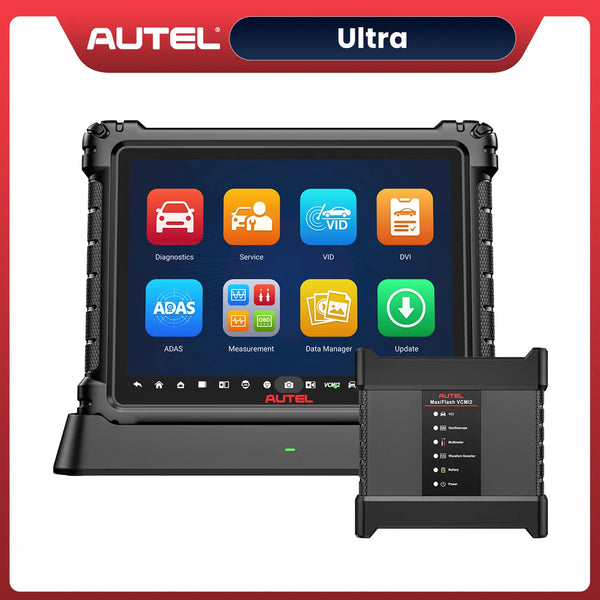
For deeper diagnostics, advanced tools like the Autel MaxiSys Ultra provide oscilloscope capabilities, allowing you to analyze signal waveforms in real time.
The Cost of Ignorance: Potential Damages & Estimated Fixes
| Diagnostic Outcome | Potential Root Cause | Estimated Repair Action | Estimated Cost (Parts & Labor) |
| Electrical Error | Faulty Crankshaft Position Sensor | Replace CKP sensor and update PCM software | $100 - $250 |
| Electrical Error | Damaged Sensor Wiring Harness | Repair or replace corrupted connector/wiring | $150 - $400 |
| Mechanical Event | Minor Valve Float / Misfires | Replace affected spark plugs, coil packs, or valve springs | $300 - $800 |
| Mechanical Event | Severe Internal Damage (Bent Valves/Broken Pistons) | Full cylinder head rebuild or complete engine replacement | $2,500 - $6,000+ |
Using your Autel scanner to review Misfire Counters across all cylinders after a P0219 event will quickly tell you if mechanical damage occurred. If misfires are heavily concentrated on specific cylinders after an overspeed, mechanical valvetrain damage is highly probable.
Fixing P0219: From Simple to Advanced
Easy Fixes
- Adjust driving habits
- Avoid aggressive downshifting
- Be cautious on slippery roads
Intermediate Repairs
- Clean or replace throttle body
- Replace faulty sensors
- Check wiring connections
Advanced Repairs
- Transmission repair or recalibration
- ECU software update
- Internal engine inspection

Repairing a damaged transmission system
Pro Tip: Prevent P0219 Before It Happens
Prevention is often simpler than repair. Here’s how to reduce your risk:
- Avoid high-RPM downshifts
- Maintain proper traction (especially in wet or icy conditions)
- Regularly monitor engine data
Using a diagnostic tool like the Autel MaxiCOM MK900BT allows you to check live data and detect irregularities early—before they trigger fault codes.
Summary
A P0219 engine overspeed condition code requires immediate, careful evaluation. It serves as a critical warning indicator protecting your powertrain from total failure.
The key is understanding why it happened. Was it a one-time driving mistake, or a sign of a deeper issue?
By combining smart diagnostics, proper tools, and informed driving habits, you can address P0219 quickly—and prevent it from coming back.
FAQs
1.Can I drive my car with a P0219 code?
No, you should avoid driving the vehicle until the code is diagnosed. If a true mechanical overspeed occurred, internal components like valves or pistons could be weakened, and continued driving could result in catastrophic engine failure.
2. Can low transmission fluid cause a P0219 code?
Yes, low or degraded transmission fluid can lead to improper gear shifts, which may cause the engine to over-rev. This can trigger the P0219 code, especially in automatic vehicles with delayed or erratic shifting behavior.
3. How can you prevent the P0219 code?
To prevent P0219, avoid aggressive downshifting, maintain proper driving habits, and monitor engine performance regularly. Using a diagnostic tool like the Autel MaxiCOM MK900BT helps detect irregularities before they become serious problems.
4. How do I reset the P0219 code using an Autel scanner?
Once repairs are complete or the data confirms a false reading, connect your Autel scanner, access the Powertrain Control Module (PCM), select "Erase Codes," and cycle the ignition key off and back on. Ensure you run a post-repair scan to confirm the code does not return.


